NAM250/5 (45.3/50 ov)
 IRE
IRE AVL
AVL MNC
MNC RAY
RAY ELC
ELC GMB
GMB ZMB
ZMB NGA
NGA LES
LES CAG
CAG BOL
BOL COMO
COMO SAS
SAS FCA
FCA FCU
FCU KOE
KOE S04
S04 MOZ19
MOZ19 UGA23/0 (0.5/20 ov, target 20)
 NZ180/5
 IND181/6 (19.5/20 ov, target 181)
 Ipswich1
 Nottm Forest1
 Alavés1
 Málaga1
 WA71/3 (11.2/50 ov, target 372)
 NSW371/8
 DEN
DEN KUW
KUW KENYA
KENYA QAT
QAT SWD-W
SWD-W EPR-W
EPR-W TTN-W
TTN-W WPR-W
WPR-W NZ-A135/3 (41 ov)
 IND-A113
 DHA
DHA RAJ
RAJ MYMS
MYMS CHATT
CHATT RAN
RAN BAR
BAR SYL
SYL KHU
KHU MEX-W
MEX-W ARG-W
ARG-W UAE
UAE NED
NED PAK
PAK ENG
ENG IND-W
IND-W ZIM-W
ZIM-W AFG170/3 (34.3/50 ov, target 170)
 ZIM169
 CHE0
CHE0 DYI0
DYI0 CHO1
CHO1 QIN0
QIN0 HEN1
HEN1 BEI0
BEI0 LIA1
LIA1 ZHE0
ZHE0 QWC1
QWC1 YUN0
YUN0 SHX0
SHX0 Shanghai Shenh0
 TIG0
TIG0 SHP0
SHP0 WTT1
WTT1 SHT3
SHT3 M05
M05 SVW
SVW RBL
RBL ELV
ELV Torino3
 Monza2
 Brest1
 Nice2
Nice2 Stuttgart2
 Gladbach3
 Al Ahli4
 Al Khaleej1
After a decade of maintaining its unique identity through the draft system, the Pakistan Super League (PSL) is making a dramatic U-turn. Starting with PSL 11, Pakistan’s premier T20 tournament will adopt the IPL’s auction model, marking one of the biggest structural changes in the league’s history. The question on everyone’s mind: Is this progress or simply following the leader?
Why PSL Abandoned the Draft System
For ten seasons, the PSL prided itself on being different. While the Indian Premier League pioneered the auction system in 2008, PSL stuck with its draft-based approach under central PCB control. That philosophy has now been shelved, with PCB chairman Mohsin Naqvi pushing for the auction format after meetings with franchise owners.
The timing is interesting—PSL 11 begins March 26, 2026, the same day as IPL 2026. This scheduling clash means PSL could benefit from players who went unsold in the IPL auction, potentially strengthening squad depth.
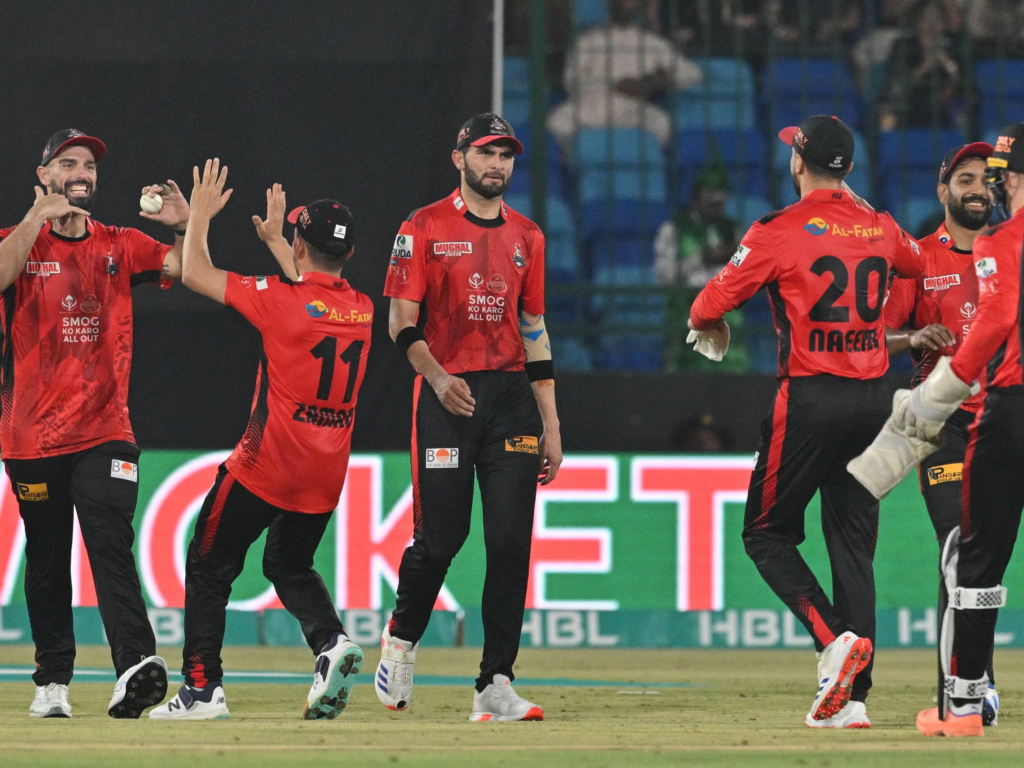
PSL 2026: New Auction Framework at a Glance
| Aspect | Details |
|---|---|
| Salary Purse | USD 1.6 million (~INR 14.45 crore) per team |
| Maximum Retentions | 4 players (1 per category) |
| Direct Foreign Signing | 1 player who didn’t feature in PSL 10 |
| RTM Cards | Scrapped |
| Brand Ambassador Provision | Removed |
| New Venues | Faisalabad added |
Source: Pakistan Cricket Board Official Website
The Retention Controversy
Here’s where things get messy. The five original franchises want four retentions each, including their brand ambassadors. Meanwhile, the two new teams—Hyderabad and Sialkot—are demanding zero retentions to level the playing field. Sound familiar? This mirrors the 2022 IPL debate when Gujarat Titans and Lucknow Super Giants entered the league.
The PCB has proposed a compromise of three retentions per team, but negotiations continue. Unlike the IPL model, provisions for mentors, brand ambassadors, and Right to Match cards have been completely eliminated.
What This Means for Pakistan Cricket
This shift signals the PCB’s recognition that the auction system creates more excitement and competitive balance. While some purists might see it as copying the BCCI playbook, pragmatists understand that successful models deserve emulation. The auction format has worked brilliantly for the IPL, Caribbean Premier League, and now The Hundred—why shouldn’t PSL benefit?
With a salary cap of USD 1.6 million and strategic retentions, teams will need sharp planning. Players who missed the IPL cut could find lucrative opportunities in Pakistan, raising the tournament’s overall quality. The addition of Faisalabad as a venue also expands PSL’s geographical footprint.
As Babar Azam and Shaheen Afridi prepare for this new era, one thing’s certain: PSL 2026 will be unlike any season before it.