NZ
NZ IND
IND NAM
NAM IRE
IRE MOZ
MOZ UGA
UGA Aston Villa
 Man City
 Rayo
Rayo Elche
Elche GMB
GMB ZMB
ZMB NGA
NGA LES
LES Cagliari
 Bologna
 IPS1
IPS1 NFO1
NFO1 ALA1
ALA1 MCF1
MCF1 TOR3
TOR3 MON2
MON2 BRE1
BRE1 NICE2
NICE2 TAS129/7 (23.3/35 ov, target 276)
 VIC304/7 (50 ov)
 WA
WA NSW38/1 (9/50 ov)
 NZ-A135/3 (41 ov)
 IND-A113
 DHA
DHA RAJ
RAJ MYMS
MYMS CHATT
CHATT RAN
RAN BAR
BAR SYL
SYL KHU
KHU MEX-W
MEX-W ARG-W
ARG-W UAE
UAE NED
NED AFG170/3 (34.3/50 ov, target 170)
 ZIM169
 IND-W200/1 (27.1/50 ov, target 198)
 ZIM-W197
 DOLPH56/0 (3.5/8 ov, target 56)
 SWD51/4 (8/8 ov)
 WSW1
WSW1 BRI1
BRI1 Como
Como Sassuolo
 Augsburg
 Union Berlin
 Cologne
 Schalke
 Mainz
Mainz Bremen
 RB Leipzig
 Elversberg
 VFB2
VFB2 BMG3
BMG3 AHL4
AHL4 KHA1
KHA1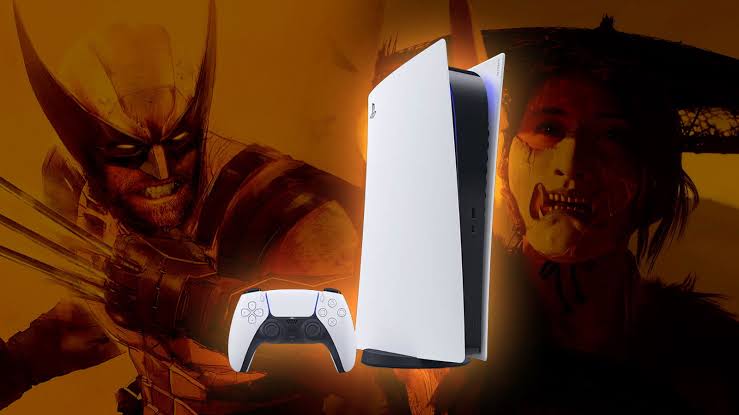
Good news for everyone who plays on a standard PS5. Sony has announced that AI upscaling is coming to the base console, not just the PS5 Pro. The new tech is called QSSR, and two big games are getting it right away. Here is a quick guide to what it does and what it means for your games.
What Is PS5 QSSR?
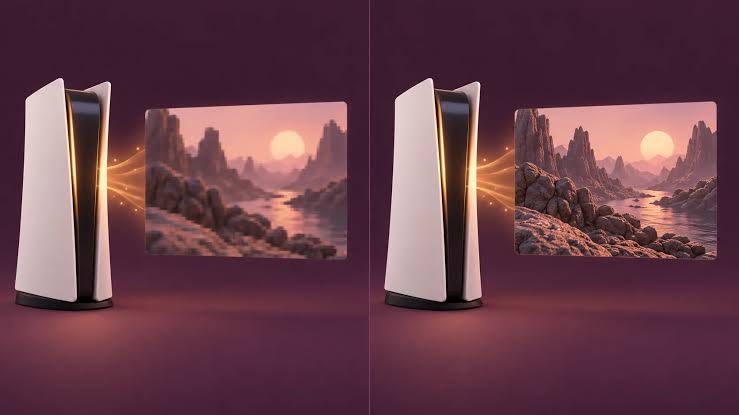
PS5 QSSR stands for Quick Spectral Super Resolution. According to the official PlayStation Blog, it is a performance-focused AI upscaling technology that is derived from PSSR, the system first introduced on the PS5 Pro. It uses a streamlined neural network and a hand-tuned design built for the standard PS5’s hardware.
QSSR vs PSSR: The Key Differences
| Feature | PSSR | QSSR |
|---|---|---|
| Full name | PlayStation Spectral Super Resolution | Quick Spectral Super Resolution |
| Console | PS5 Pro | Standard PS5 |
| Design focus | Premium image quality | Performance, lighter neural network |
| Compute demand | Higher | Lower than PSSR |
Sony says PSSR remains the premium option on PS5 Pro. QSSR is less demanding, but it still provides notable improvements to image detail and image stability on the standard PS5.
Which Games Get QSSR First?
Two titles received patches on October 1, 2026, that add QSSR as an extra graphics option: Marvel’s Wolverine and Ghost of Yotei. Developers say the tech adds pixel-level clarity and stability to environments and resolves fine details better, with improved temporal stability that was not available before on PS5. Read more about the game in the Ghost of Yotei Wikipedia article.
Why QSSR Matters for PS5 Owners
Most PlayStation 5 players use the standard console, and the PS5 Pro costs much more. Giving the base model an AI upscaler means more players can enjoy sharper pictures without buying new hardware. Upscaling lets a game render at a lower resolution internally and then rebuild a cleaner image, which can help performance as well as visuals.
Sony also plans to offer QSSR to all PlayStation developers, so more games should add it over time. That is promising for future releases, though Sony has not shared a list of upcoming titles. Check our PS5 coverage for new updates as they arrive.
Early Reactions
The announcement post on X drew about 1.8 million views, and a report on iXBT Games says some players called it a good example of AI use. Others may worry about visual artifacts, since AI upscalers can sometimes blur or shimmer fine details. Until independent tests arrive, the best advice is to try the option yourself and compare it with the default mode.
Confirmed vs Not Confirmed
Confirmed by Sony: the QSSR name, its purpose, the October 1 patches for Marvel’s Wolverine and Ghost of Yotei, and the plan to share it with developers. Not confirmed: how big the frame rate gains are, which games come next and how QSSR compares with PSSR in side-by-side tests. Expect technical breakdowns from outlets such as Digital Foundry in the coming days.
If you own either game, update it and test QSSR in the graphics menu. Try the different modes, watch how fine detail such as grass, hair and distant buildings looks, and see which setting feels best on your TV. Every display and room is different, so your own eyes are the best judge.
For gamers who have held off on a PS5 Pro because of the price, PS5 QSSR is a welcome middle ground. It will not match the Pro’s image quality, which Sony itself says remains the premium option, but it gives standard console owners a smarter way to balance sharpness and smooth frame rates in demanding open-world games.
It also hints at where console gaming is heading. AI-based reconstruction is becoming a standard tool for developers, and bringing it to the base PS5 extends the life of the console as new games keep pushing visual limits. Fans should watch for patch notes in the coming weeks, since studios may announce support quietly rather than with big campaigns.
Source: PlayStation Blog