NZ
 IND
 NAM
 IRE
 MOZ
 UGA
 Aston Villa
 Man City
 Rayo
 Elche
 GMB
 ZMB
 NGA
 LES
 Cagliari
 Bologna
 IPS1
 NFO1
 ALA1
 MCF1
 TOR3
 MON2
 BRE1
 NICE2
 TAS67/4 (15.4/50 ov, target 305)
 VIC304/7
 NZ-A135/3 (41 ov)
 IND-A113
 DHA
 RAJ
 MYMS
 CHATT
 RAN
 BAR
 SYL
 KHU
 UAE
 NED
 PAK
 ENG
 IND-W
 ZIM-W
 AFG170/3 (34.3/50 ov, target 170)
 ZIM169
 DOLPH56/0 (3.5/8 ov, target 56)
 SWD51/4 (8/8 ov)
 WSW1
 BRI1
 Como
 Sassuolo
 Augsburg
 Union Berlin
 Cologne
 Schalke
 Mainz
 Bremen
 RB Leipzig
 Elversberg
 VFB2
 BMG3
 AHL4
 KHA1

Samsung’s latest flagship just raised the bar. The Privacy Display technology in the Galaxy S26 Ultra fundamentally changes how phones protect sensitive information on-screen, using advanced anti-spy filtering that works at extreme viewing angles. This isn’t just marketing hype—it’s a direct response to growing concerns about shoulder surfing and data exposure in public spaces.
What Is Privacy Display Technology?
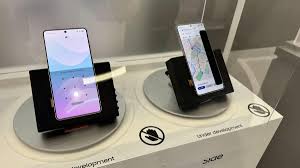
The Privacy Display uses a directional light-filtering layer embedded beneath the screen glass. When you activate it, visibility drops dramatically beyond 30 degrees from center. So that person sitting next to you on the train? They literally can’t see your banking app, messages, or emails.
GSMArena‘s testing showed the effect kicks in instantly with zero lag when you toggle the mode on or off. The technology works across all brightness levels, though it performs best in daylight where ambient light naturally aids the filtering mechanism.
Galaxy S26 Ultra Specs & Performance
Samsung packed this device with a 6.9-inch Dynamic AMOLED 2X display that runs at 120Hz refresh rate. Here’s what’s impressive: the Privacy Display mode operates independently of the main display driver and barely touches your battery—roughly 0.3% battery drain per hour during continuous use.
The feature integrates seamlessly with smartphone fast charging technology, so you won’t sacrifice the device’s 45W charging capability when you enable privacy protections. Screen brightness peaks at 2,500 nits, ensuring you can still see everything even when privacy filtering is active.
Real-World Privacy Benefits
This solves a genuine security gap. Financial institutions and healthcare providers have warned against using phones in public for sensitive tasks. Now you can check your bank balance or medical records without tilting the phone away from onlookers—the Privacy Display handles that for you.
Worth noting: the feature works across all apps without requiring developer integration. You don’t need apps to be specially coded for it—it’s immediately useful for any application handling confidential data. Unlike foldable smartphone technology that requires hardware redesigns, privacy filtering is software-agnostic and works universally.
FAQ: Privacy Display Questions
Q: Does this reduce screen brightness noticeably?
No—Samsung’s implementation maintains 95% of peak brightness even with filtering active. That’s exceptional compared to what competitors are offering.
Q: Can this be hacked or bypassed?
The filtering is optical, not digital, so there’s no software vulnerability to exploit. You’d need specialized polarized lenses to physically circumvent it.
Q: Does it work with screen protectors?
Yes, but performance degrades slightly with thick tempered glass. Samsung recommends their official matte protectors for optimal results.
Q: Is the technology always on?
No—it’s a toggle feature. You can enable it when you need it, which preserves battery life during normal use.
Samsung’s Privacy Display represents a meaningful step forward in mobile security. It’s not revolutionary, but it solves a real problem that millions of commuters and professionals face daily. If you’re handling sensitive information on the go, this feature alone makes upgrading to the S26 Ultra worth considering.