SA329 (82.3 ov)
 AUS
AUS ROMA0
ROMA0 CAG0
CAG0 ALS3
ALS3 HIL1
HIL1 BRD0
BRD0 PET0
PET0 TOR
TOR COMO
COMO BAN
BAN WI
WI IND-W
IND-W ZIM-W
ZIM-W GOA
GOA SC Delhi
 Milan
Milan Bologna
 Parma
Parma Udinese
 Venezia
 Inter Milan
 Genoa
Genoa Juventus
 SAS2
SAS2 LAZ6
LAZ6 AFG177
 ZIM140 (19.1/20 ov, target 178)
 ABH0
ABH0 ALF1
ALF1 PAK110
 SL114/2 (18.1/50 ov, target 111)
 SIKM184
 NAGA187 & 46/4 (34 ov)
 JHK131/4 (47 ov)
 DELHI515/5d
 ODSA194
 SVCS13/0 (5 ov)
 BRODA616
 J & K6/0 (4 ov)
 CHD685/5d
 HP49/0 (14 ov)
 CGR216/8 (95 ov)
 AP231
AP231 HYD193/2 (54 ov)
 PNJB431
 KNTKA297/7 (95 ov)
 TPURA194
 KER101/6 (35 ov)
 BENG350
 MAHA278/9 (100 ov)
 GUJ223
 MNPR364
 ARP111 & 95/2 (36 ov)
 UAE
UAE OMA
OMA AUCK
AUCK CANT
CANT CD
CD ND
ND DEN
DEN QAT
QAT KENYA
KENYA KUW
KUW POA
POA SPR
SPR NAM316/7
 IRE253 (44.5/50 ov, target 317)
 NZ198/3
 IND199/4 (13.2/20 ov, target 199)
 NED371/5
 JAB113 (19.3/20 ov, target 133)
 KAY132/9
 EXC1
EXC1 ADO1
ADO1 APN1
APN1 ELC3
ELC3 SES2
SES2 ESP1
ESP1 AIK2
AIK2 ELF2
ELF2 BEN1
BEN1 CAT0
CAT0 WIM1
WIM1 ARS2
ARS2 SHO0
SHO0 ALH1
ALH1 UDC0
UDC0 ALM0
ALM0 ALC0
ALC0 LPA0
LPA0 Monza
Monza Napoli
 FLE
FLE ARS
ARS Sevilla2
 Osasuna0
 PSG2
PSG2 Lyon0
Lyon0 Mohun Bagan1
 Chennaiyin0
 SAA2
SAA2 EST0
EST0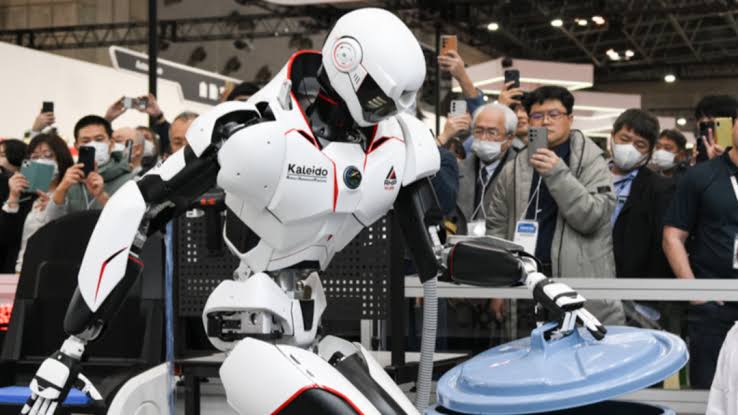
Another big name is stepping into the humanoid robot race. Panasonic says it will develop its own humanoid robots, and it hopes to start making them by 2029. The company believes its long experience with batteries could set it apart. Here is a clear summary of what has been reported, and what is still unknown.
Panasonic Humanoid Robots: What Has Been Reported
Nikkei Asia reported that Panasonic will make humanoid robots by leveraging its battery business. According to a summary shared on X by tech creator Abhishek Yadav, Panasonic’s Chief AI Officer, Akira Sakakibara, told Nikkei that the company will develop its own Panasonic humanoid robots and wants to begin production by 2029. The robots are planned first for factories and warehouses. We could not open the full Nikkei article, so the details below rely on that summary.
| Detail | Reported Information |
|---|---|
| Company | Panasonic |
| Executive quoted | Akira Sakakibara, Chief AI Officer |
| Target year to start making | 2029 |
| First use | Factories and warehouses |
| Key advantage claimed | Battery safety |
| New unit | AI and robotics division set up last week |
Why Batteries Are the Big Card
Humanoid robots need compact batteries that deliver a lot of power, and safety is a serious concern because a battery fire inside a robot working near people would be dangerous. According to the summary, Panasonic says its batteries have never had a serious fire incident, and the company hopes that record will give customers confidence. Panasonic is already known as a major battery maker, so it can lean on an existing business.
Chinese Brands Are Ahead
The summary notes that Chinese brands are far ahead in humanoid development. Panasonic is entering late, which means it will have to show a real difference to win customers. Focusing on factories and warehouses is a practical choice, since those settings have clear tasks, controlled spaces and a strong demand for automation. You can read about the field on Wikipedia’s humanoid robot page.
What It Means for Industry
If Panasonic succeeds, it could add a trusted Japanese option to a market that is crowded with new start-ups and large Chinese manufacturers. A safe, long-lasting battery pack is one of the hardest parts of a humanoid, so a strong power system could be a real advantage. Our robotics coverage follows other launches and tests in the field.
For ordinary consumers, humanoid robots are still years from daily life. The first customers will be companies that need help with repetitive or heavy work, and prices and designs are still unknown. The 2029 target also suggests Panasonic is planning for the long term and not a quick launch.
What Is Still Unknown
Not yet public in our sources: what the robot will look like, its price, how many units Panasonic plans to build, and whether it will partner with other firms. The company has not shared a prototype. We will update this article when more details appear, so check back for the latest on this story.
The Bigger Humanoid Picture
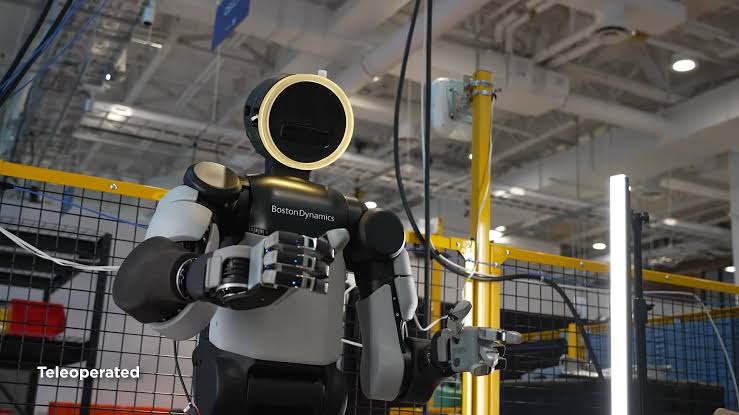
Humanoid robots have become one of the most talked-about areas in technology, with start-ups and large manufacturers racing to build machines that can walk, lift and work alongside people. Power is a recurring challenge, because a humanoid needs a battery that is light, safe and long lasting. That is why Panasonic’s battery background is a natural starting point, and why many analysts will watch whether the company can turn that strength into a working product before 2029.
Companies that move early often have more data and more customers, so Panasonic will need a clear plan to catch up. Partnerships with factories, logistics firms and software makers could help it learn quickly and improve its designs.
Source: Nikkei Asia and Abhishek Yadav on X