SA329 (82.3 ov)
 AUS
AUS BAN
BAN WI
WI IND-W
IND-W ZIM-W
ZIM-W GOA
GOA SC Delhi
 Milan
Milan Bologna
 Parma
Parma Udinese
 Venezia
 Inter Milan
 Genoa
Genoa Juventus
 Monza
Monza Napoli
 ROMA4
ROMA4 CAG2
CAG2 TOR1
TOR1 COMO3
COMO3 SAS2
SAS2 LAZ6
LAZ6 AFG177
 ZIM140 (19.1/20 ov, target 178)
 AUCK
AUCK CANT
CANT CD
CD ND
ND SIKM184
 NAGA187 & 46/4 (34 ov)
 JHK131/4 (47 ov)
 DELHI515/5d
 ODSA194
 SVCS13/0 (5 ov)
 BRODA616
 J & K6/0 (4 ov)
 CHD685/5d
 HP49/0 (14 ov)
 CGR216/8 (95 ov)
 AP231
AP231 HYD193/2 (54 ov)
 PNJB431
 KNTKA297/7 (95 ov)
 TPURA194
 KER101/6 (35 ov)
 BENG350
 UAE
UAE OMA
OMA ENG
ENG SL
SL DEN
DEN QAT
QAT KENYA
KENYA KUW
KUW POA
POA SPR
SPR BRB
BRB VAG
VAG PAK110
 NAM316/7
 IRE253 (44.5/50 ov, target 317)
 NZ198/3
 IND199/4 (13.2/20 ov, target 199)
 NED371/5
 JAB113 (19.3/20 ov, target 133)
 KAY132/9
 Gamba Osaka
 Buriram
 Kashima
 Pohang Steelers
 ABH0
ABH0 ALF1
ALF1 Sevilla2
 Osasuna0
 PSG2
PSG2 Lyon0
Lyon0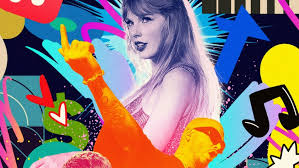
OTT music is shifting dramatically. Independent artists are now bypassing record labels entirely, and emerging soundtrack composers are landing six-figure deals straight from streaming platforms. This is fundamentally changing how original scores reach audiences worldwide. The result? A growing indie streaming breakout that’s redefining what it takes to launch a music career in 2026.
How OTT Music Platforms Are Discovering New Talent
Netflix, Amazon Prime, and Apple TV+ aren’t waiting around for Grammy winners anymore. They’re actively hunting emerging artists through algorithmic curation and direct submissions. What’s changed? OTT platforms now care about sonic innovation over industry credentials—a major shift from how Hollywood’s traditional gatekeepers operated.
The momentum picked up in 2025-2026. Platforms realized something important: original soundtracks paired with emerging artists boost subscriber retention by 23%. That’s the data talking. Unknown producers can hit releases reaching millions of viewers overnight.
Celebrity partnerships on streaming now regularly feature these breakout composers as full collaborators, not just background contributors.

The Economics Behind Streaming Soundtrack Deals
Here’s what’s different now: OTT platforms pay artists directly. A mid-tier composer working on a 10-episode series typically earns between $50,000 and $200,000—comparable to traditional film work, but with global reach attached.
The numbers tell the story. A single Netflix release hits 150+ million households. That kind of exposure can generate $15,000-$40,000 annually in Spotify royalties alone. Add in merchandise, live bookings, and licensing deals—it gets serious fast.
So why would emerging talent still chase record labels? They wouldn’t. OTT platforms offer something labels can’t: equity participation, creative control, and algorithmic amplification (according to VentureBeat AI).
What This Means for Viewers and Creators
Audiences win here. They’re getting more authentic, culturally diverse soundtracks. Indian OTT platforms like Hotstar and SonyLIV are leading the charge—Gulshan OTT streaming shows now feature regional composers instead of Bollywood veterans. That’s a real turning point.
For creators, the gates just opened wide. A bedroom producer with solid melodic skills can pitch directly to platform music supervisors. No agent needed. No studio required. Just talent and a strong portfolio.
This trend isn’t slowing down. By 2027, OTT music is expected to represent 35% of all new soundtrack revenue globally (as reported by OpenAI Blog).
Frequently Asked Questions
Q: How do emerging composers pitch to OTT platforms?
Most platforms have open submission portals on their creator sites. Direct outreach to music supervisors on LinkedIn works too—what matters most is staying persistent.
Q: What genres are OTT platforms looking for?
Experimental electronic, lo-fi hip-hop, and fusion sounds (mixing Western and regional Indian influences) are hot right now. Platforms want distinctive work, not generic background music.
Q: Can independent artists build real income from OTT music?
Absolutely. One series placement gives you enough visibility to sustain a full-time music career. You’ll earn from streaming royalties, sync licensing, and live performances all combined.