NZ
NZ IND
IND NAM
NAM IRE
IRE MOZ
MOZ UGA
UGA Aston Villa
 Man City
 Rayo
Rayo Elche
Elche GMB
GMB ZMB
ZMB NGA
NGA LES
LES Cagliari
 Bologna
 IPS1
IPS1 NFO1
NFO1 ALA1
ALA1 MCF1
MCF1 TOR3
TOR3 MON2
MON2 BRE1
BRE1 NICE2
NICE2 TAS67/4 (15.4/50 ov, target 305)
 VIC304/7
 NZ-A133/1 (39.2 ov)
 IND-A113
 DHA
DHA RAJ
RAJ MYMS
MYMS CHATT
CHATT RAN
RAN BAR
BAR SYL
SYL KHU
KHU UAE
UAE NED
NED PAK
PAK ENG
ENG IND-W
IND-W ZIM-W
ZIM-W AFG170/3 (34.3/50 ov, target 170)
 ZIM169
 DOLPH56/0 (3.5/8 ov, target 56)
 SWD51/4 (8/8 ov)
 WSW1
WSW1 BRI1
BRI1 Como
Como Sassuolo
 Augsburg
 Union Berlin
 Cologne
 Schalke
 Mainz
Mainz Bremen
 RB Leipzig
 Elversberg
 VFB2
VFB2 BMG3
BMG3 AHL4
AHL4 KHA1
KHA1
Here’s a nightmare scenario: Your child has severe diarrhea. You rush to the nearest pharmacy and grab a fruit-flavored “ORS” drink. You think you’re rehydrating them. Instead, you’re making it worse. That supposedly life-saving beverage? It contains eight times more sugar than actual WHO-approved ORS—enough to worsen dehydration, not cure it. This isn’t fearmongering; it’s exactly why the Food Safety and Standards Authority of India just ordered the immediate nationwide removal of all misleadingly labeled “ORS” beverages from retail stores and e-commerce platforms.
FSSAI Crackdown Overview
| Detail | Information |
|---|---|
| Order Date | November 20, 2025 |
| Issuing Authority | FSSAI (Food Safety and Standards Authority of India) |
| Products Targeted | Fruit-based beverages, energy drinks, electrolyte drinks, ready-to-serve drinks |
| Previous Orders Violated | October 14 & 15, 2025 directives |
| Legal Violation | Food Safety and Standards Act, 2006 |
| Enforcement Locations | E-commerce platforms, retail stores, pharmacies, supermarkets |
| Protected Products | WHO-recommended pharmaceutical ORS (not affected) |
Why This Ban Matters More Than You Think
FSSAI prohibited food products from using “ORS” in trademark names or in any form, including as a prefix or suffix, yet companies continued selling these drinks despite repeated warnings. The excessive sugar in fake ORS drinks actually pulls water into the gut and worsens diarrhea instead of treating it.
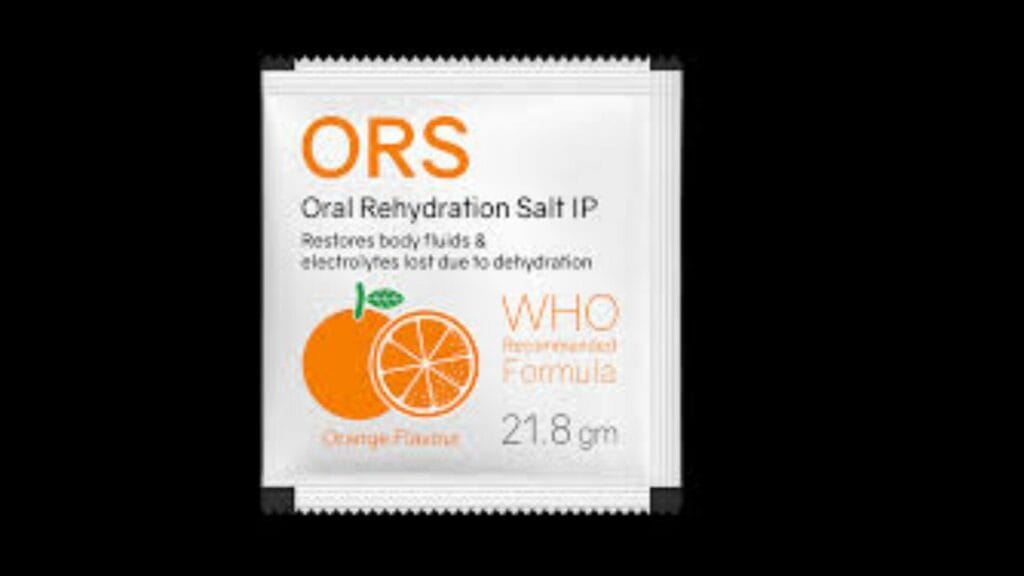
Real WHO-approved Oral Rehydration Solution contains a precise ratio of glucose and salts scientifically designed to treat dehydration. These commercial beverages? They’re just sugary drinks exploiting medical terminology to boost sales—and potentially endangering lives in the process.
The Eight-Year Battle Behind This Victory
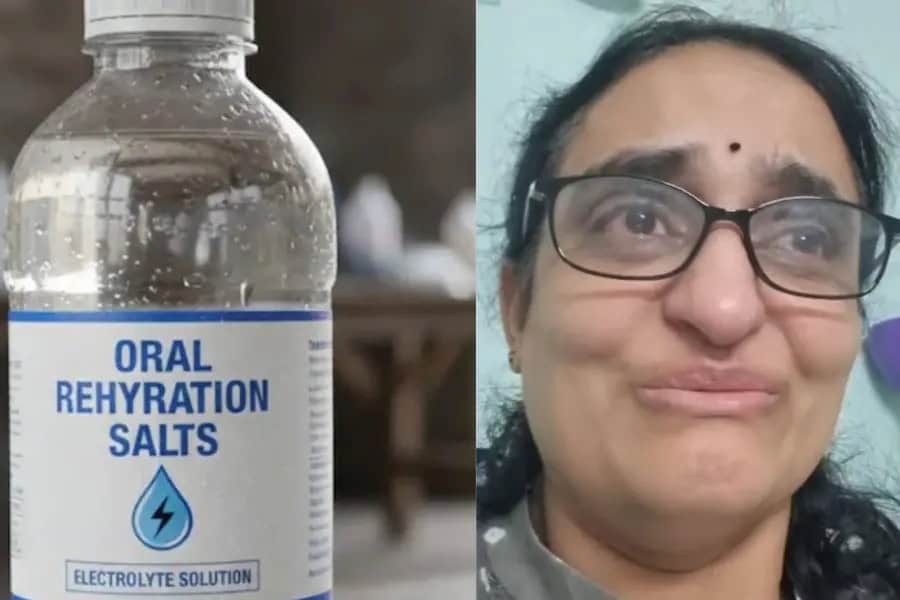
Behind this regulatory action lies an eight-year grassroots campaign led by Dr. Sivaranjani Santosh, a Hyderabad-based pediatrician and social activist. She witnessed firsthand how parents unknowingly gave children high-sugar “ORS” drinks during dehydration episodes, making their conditions worse.
“If a child with diarrhea drinks a high-sugar liquid labeled as ORS, the condition can worsen. But such deaths are recorded as diarrheal deaths, not as product-related,” Dr. Sivaranjani explained. Her persistent advocacy mobilized medical associations and brought the issue before regulators and courts, despite facing online threats and legal pressure from companies.
What FSSAI Ordered and Why It’s Urgent
FSSAI instructed officers to immediately inspect e-commerce platforms and retail outlets to identify violating products, remove them from sale, and take regulatory action against companies involved. Officers must submit detailed action reports listing inspections, violations, and removal status.
The authority specifically clarified that enforcement activities must only target non-compliant food products falsely using “ORS,” without interfering with legitimate WHO-recommended ORS drug products. Some overzealous officers had mistakenly begun restricting genuine pharmaceutical ORS, which falls under the Drugs and Cosmetics Act and isn’t regulated by FSSAI.
Delhi High Court’s Strong Stand
On October 31, the Delhi High Court refused to dilute FSSAI’s position, calling misleading ORS-labeled drinks a “health hazard” and stating “Public health considerations are paramount”. Justice Sachin Datta declined to grant relief to companies like Dr. Reddy’s Laboratories seeking permission to sell existing stock of their electrolyte drink branded with “VITORS.”
The court clarified that an earlier consent order in another case was being misinterpreted as permission to continue manufacturing ORS-labeled drinks—a practice the judge would have immediately restrained had he anticipated such misuse.
Which Products Are Getting Pulled?
Any fruit-based beverage, ready-to-serve drink, energy drink, or electrolyte drink using “ORS” in its brand name, product name, or even as part of marketing materials must be removed. This includes products using variations like “Fruit ORS,” “Energy ORS,” or similar formulations.
The ban affects multiple beverage and pharmaceutical manufacturers who’ve marketed hydration drinks using medical-sounding ORS nomenclature across grocery stores, pharmacies, supermarkets, and online platforms like Amazon, Flipkart, and BigBasket.
How to Identify Real ORS
Legitimate WHO-Approved ORS Contains:
- Precise glucose and salt ratio (2.6g sodium chloride, 2.9g trisodium citrate dihydrate, 1.5g potassium chloride, 13.5g anhydrous glucose per liter)
- Classification as a drug under the Drugs and Cosmetics Act
- Minimal flavor (usually unflavored or slightly salty taste)
- Sold primarily in pharmacies as medicine, not in supermarket beverage aisles
Fake “ORS” Drinks Contain:
- Excessive sugar (up to 8x more than real ORS)
- Fruit flavors and artificial sweeteners
- Marketed alongside soft drinks and energy beverages
- Branded as “refreshing” or “energizing” rather than medicinal
What Consumers Should Do Now
Check your pantry immediately. If you have any fruit-flavored or branded “ORS” drinks purchased from retail stores or online platforms, verify whether they’re WHO-approved pharmaceutical ORS or misleading beverages. When in doubt, consult your doctor or pharmacist.
For genuine hydration needs during diarrhea, vomiting, or heat-related dehydration, ask specifically for WHO-recommended ORS from pharmacies—not flavored drinks from supermarket shelves.
Stay updated on food safety alerts through the FSSAI official website and explore our health safety updates and consumer rights section for more information.