NZ
 IND
 NAM
 IRE
 MOZ
 UGA
 Aston Villa
 Man City
 Rayo
 Elche
 GMB
 ZMB
 NGA
 LES
 Cagliari
 Bologna
 IPS1
 NFO1
 ALA1
 MCF1
 TOR3
 MON2
 BRE1
 NICE2
 TAS67/4 (15.4/50 ov, target 305)
 VIC304/7
 NZ-A133/1 (39.2 ov)
 IND-A113
 DHA
 RAJ
 MYMS
 CHATT
 RAN
 BAR
 SYL
 KHU
 UAE
 NED
 PAK
 ENG
 IND-W
 ZIM-W
 AFG170/3 (34.3/50 ov, target 170)
 ZIM169
 DOLPH56/0 (3.5/8 ov, target 56)
 SWD51/4 (8/8 ov)
 WSW1
 BRI1
 Como
 Sassuolo
 Augsburg
 Union Berlin
 Cologne
 Schalke
 Mainz
 Bremen
 RB Leipzig
 Elversberg
 VFB2
 BMG3
 AHL4
 KHA1

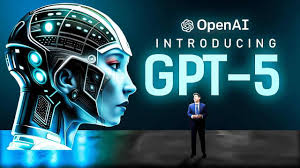
Are you ready for the next evolution in gaming AI? The expansion of capabilities is on the horizon, as OpenAI announced on April 26, 2026, that it’s broadening access to its GPT-5 Beta program.
This move makes the advanced AI model available to a wider range of developers and select partners, specifically for integration into gaming applications across PC, consoles, and mobile devices. While a full release date for GPT-5 remains unannounced, this beta expansion signals a significant step towards AI-driven experiences in gaming. That said, tesports is worth examining closely here.
Tesports: What Exactly is GPT-5 Beta and Why Does it Matter for Gaming?
GPT-5 Beta represents OpenAI’s latest leap in artificial intelligence, focusing on significantly enhanced natural language understanding and real-time adaptive dialogue generation. For the gaming world, this translates to more dynamic, responsive, and believable non-player characters (NPCs) and more intuitive player interactions.
Imagine NPCs that can hold genuinely complex conversations, adapt their behavior based on nuanced player input, and even contribute to emergent storytelling in ways we haven’t seen before. This level of AI integration could fundamentally change how players experience virtual worlds, making them feel more alive and reactive than ever. This expanded access means developers can start experimenting with these groundbreaking features now, potentially leading to a new wave of innovative titles. Tesports, specifically, plays a bigger role than most coverage suggests.
How Will GPT-5 Beta Transform the Landscape?
The implications of GPT-5’s advanced capabilities for are profound. We’re not just talking about slightly smarter chatbots. We’re looking at AI that can understand context, intent, and emotion with unprecedented accuracy. This means in-game characters could offer personalized advice, react realistically to player actions, and even generate unique dialogue on the fly, ensuring no two playthroughs feel exactly alike.
Collaborations with industry giants like Electronic Arts and Ubisoft are already underway, hinting at how deeply integrated GPT-5 might become. Think of dynamic quest generation driven by player choices, or AI opponents that learn and adapt to your tactics in real-time. This isn’t just about better graphics; it’s about deeper immersion and more meaningful player agency. This could pave the way for entirely new genres of games that leverage AI as a core gameplay pillar. The picture for tesports is more nuanced than headlines indicate.