NAM316/7
 IRE244/6 (42/50 ov, target 317)
 SA250/6 (61.5 ov)
 AUS
AUS ABH0
ABH0 ALF1
ALF1 AFG
AFG ZIM
ZIM SAS
SAS LAZ
LAZ ROMA
ROMA CAG
CAG TOR
TOR COMO
COMO BAN
BAN WI
WI IND-W
IND-W ZIM-W
ZIM-W GOA
GOA SC Delhi
 Milan
Milan Bologna
 PAK110
 SL114/2 (18.1/50 ov, target 111)
 NZ198/3
 IND199/4 (13.2 ov)
 NED371/5
 OMA265 (49.3/50 ov, target 372)
 Sevilla2
 Osasuna0
 JER
JER KUW
KUW PNG
PNG QAT
QAT JAB82/5 (12/20 ov, target 133)
 KAY132/9
 SIKM184
 NAGA187 & 46/4 (34 ov)
 JHK131/4 (47 ov)
 DELHI515/5d
 ODSA194
 SVCS13/0 (5 ov)
 BRODA616
 J & K6/0 (4 ov)
 CHD685/5d
 HP49/0 (14 ov)
 CGR216/8 (95 ov)
 AP231
AP231 HYD193/2 (54 ov)
 PNJB431
 AUCK
AUCK CANT
CANT CD
CD ND
ND DEN
DEN KENYA
KENYA POA
POA SPR
SPR BIK149 (19.3/20 ov, target 158)
 CHR157/3
 BRB149/5 (16.2/20 ov, target 148)
 MIS147
 MOW107/9
 TOK111/5 (18.4/20 ov, target 108)
 Parma
Parma Udinese
 Venezia
 Inter Milan
 Genoa
Genoa Juventus
 PSG2
PSG2 Lyon0
Lyon0 Mohun Bagan1
 Chennaiyin0
 BEI2
BEI2 JHM2
JHM2 RCH0
RCH0 KRE0
KRE0 DHC0
DHC0 VIS1
VIS1
NZXT Flex PC users just hit a major moment for tech rentals: On April 13, 2026, NZXT agreed to settle a $3.45 million lawsuit over how it ran its Flex PC rental programme. The Consumer Protection Agency made the deal official, following a wave of complaints about how clear NZXT had been with its billing and policies. For gamers and PC enthusiasts, it’s a big reminder—if you miss the details in a rental agreement, you might end up paying more than you thought.
What Was the NZXT Flex PC Rental Program?
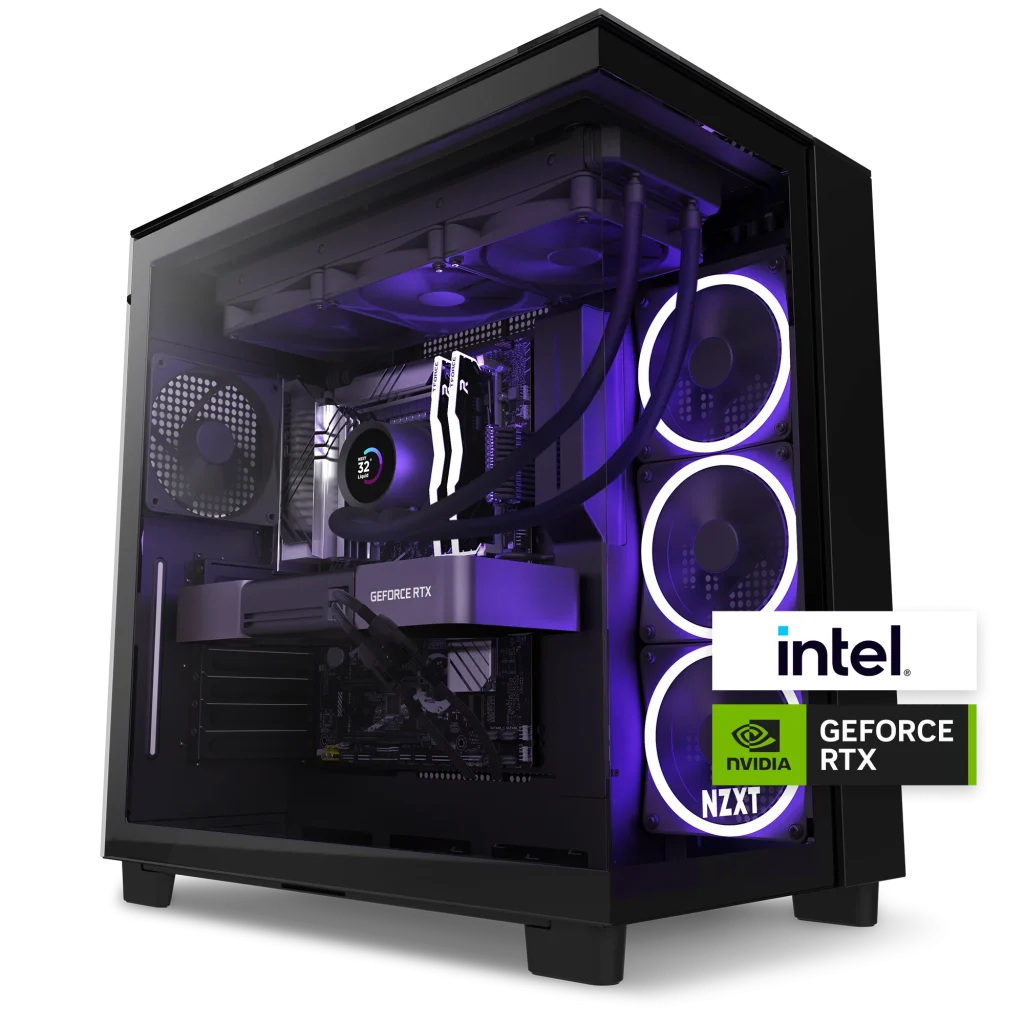
Back in 2024, NZXT rolled out the Flex PC rental program, pitching it as a fresh, easy way to get top-tier gaming PCs without dropping thousands upfront. The idea? Rent a fully built gaming computer on a monthly plan. No building required. You got plug-and-play performance, easy upgrades, and support. For students, e-sports hopefuls, or anyone who didn’t want to spend big on hardware, it sounded great.
But then there was the fine print.
Here’s the thing: Unlike installment plans, Flex PC was strictly a rental. Folks didn’t get to keep the machine—returning it after the term was non-negotiable. According to The Verge, the company sold the program as flexible. But in reality, many users felt trapped by vague policies and surprise bills. It looked a lot like what we’ve seen with some smartphone programs—think Samsung Galaxy Flex or those other “hardware-as-a-service” setups—but with even less regulatory oversight.
Flex PC launched right as interest in PC rentals was surging, thanks to rising part prices and the growth of cloud gaming. But as customer complaints started to pour in, it became clear: transparency was going to decide whether this business model could actually last.
Allegations and Consumer Complaints About NZXT Flex PC
So, what was the main issue? It really boiled down to how NZXT explained (or didn’t explain) the rules behind Flex PC rentals. The lawsuit accused NZXT of hiding recurring charges, not spelling out penalties for ending the rental early, and making upgrade or repair terms confusing. A bunch of users said they got hit with fees even after they sent the PCs back—sometimes for normal wear, sometimes for hard-to-understand “restocking” charges. Those stories spread quickly on forums, with frustrated users warning others about the sneaky costs.
People pushing back said NZXT’s practices crossed a line, blurring legit rentals and trickier, subscription-style billing. The Consumer Protection Agency stepped in, saying NZXT misled buyers—especially when it came to telling them what bills and obligations to expect after the contract ended.
Some industry insiders argue it’s up to customers to read the fine print, since rental programs always involve long contracts. But here’s the rub: as hardware subscriptions become more common, regulators are expecting companies to use plain English and spell out the details up front.
This NZXT Flex PC case is a lot like recent class action suits targeting streaming and cloud software companies, underlining the constant tug-of-war between new ideas and protecting buyers. Want more about how the tech industry is being watched by regulators? Take a look at our piece on the ChatGPT India Million milestone and how it’s dealing with compliance headaches.
Details of the $3.45 Million NZXT Flex PC Settlement
NZXT’s settlement, made official in a California federal court, comes to a total of $3,450,000. That money will go toward compensating people who rented under the Flex PC program and help pay for new transparency efforts. One thing to keep in mind: NZXT hasn’t admitted to any wrongdoing as part of the deal. That’s a common move to avoid opening themselves up to even more lawsuits down the road.
Instead, NZXT has agreed to clean up its rental agreements—making the costs, rules, and fees obvious for anyone considering Flex PC in the future.
According to TechCrunch, the payout will go to eligible renters who participated in the program between its 2024 debut and the lawsuit. The agreement also forces NZXT to let outside auditors review its rental communications for at least two years. That’s something you usually only see with big-bank settlements, not consumer tech.
For NZXT, this isn’t just about the money. The bigger hit might be to its reputation. In a business where trust means everything, even the hint of shady practices can send customers running to the competition.
If you want to see just how quickly tech companies can lose consumer trust, check out our deep dive on the 500 Million API breach. Public backlash can move fast in this space.