PSG0
PSG0 LYON0
LYON0 QAD0
QAD0 ALS0
ALS0 AQAJ0
AQAJ0 PAK0
PAK0 GAL2
GAL2 FEN0
FEN0 CDSC1
CDSC1 SLB0
SLB0 SEV
SEV OSA
OSA NED
NED OMA
OMA NZ
NZ IND
IND NAM
NAM IRE
IRE PAK
PAK SL
SL SA
SA AUS
AUS Abha
Abha Al Faisaly
 Sassuolo
 Lazio
Lazio MBSG1
MBSG1 CFC0
CFC0 Barcelona1
 Real Madrid2
 Udinese0
 Milan2
 Real Sociedad2
 Levante1
 BRB
BRB MIS71/7 (11/20 ov)
 NZ-A317
 IND-A113 & 488/8 (119 ov)
 SYL575/4 (167.3 ov)
 KHU
KHU MYMS465/7d
 CHATT424/6 (121 ov)
 DHA521
 RAJ162 & 215/5 (59.1 ov) (f/o)
 RAN402 & 5/0 (2.3 ov)
 BAR443/9d
 SIKM30/1 (15 ov)
 NAGA187
 JHK
JHK DELHI309/5 (90 ov)
 ODSA194
 SVCS13/0 (5 ov)
 BRODA259/6 (86 ov)
 J & K
J & K CHD363/2 (87 ov)
 HP
HP CGR35/1 (14 ov)
 AP231
AP231 BAN
BAN WI
WI BIK
BIK CHR
CHR JER
JER KUW
KUW MEX-W51 (12.5/20 ov, target 187)
 ARG-W186/7
 NGA148
 UGA147/9 (20 ov, target 149)
 GMB112/9
 LES109 (19.5/20 ov, target 113)
 MOZ110/7 (19/20 ov, target 110)
 ZMB109/9
 IND-W328/6
 ZIM-W207 (48.5/50 ov, target 329)
 MOW107/9
 TOK111/5 (18.4/20 ov, target 108)
 KBH0
KBH0 OBK1
OBK1 UAI0
UAI0 VSC0
VSC0 DEF0
DEF0 SAN0
SAN0 AS Roma
 Cagliari
 Torino
 Como
Como CFC
CFC GRE
GRE FLA
FLA CAM
CAM Daejeon
 Vissel Kobe
 Lecce0
 Juventus2
 Sunderland0
 Leeds0
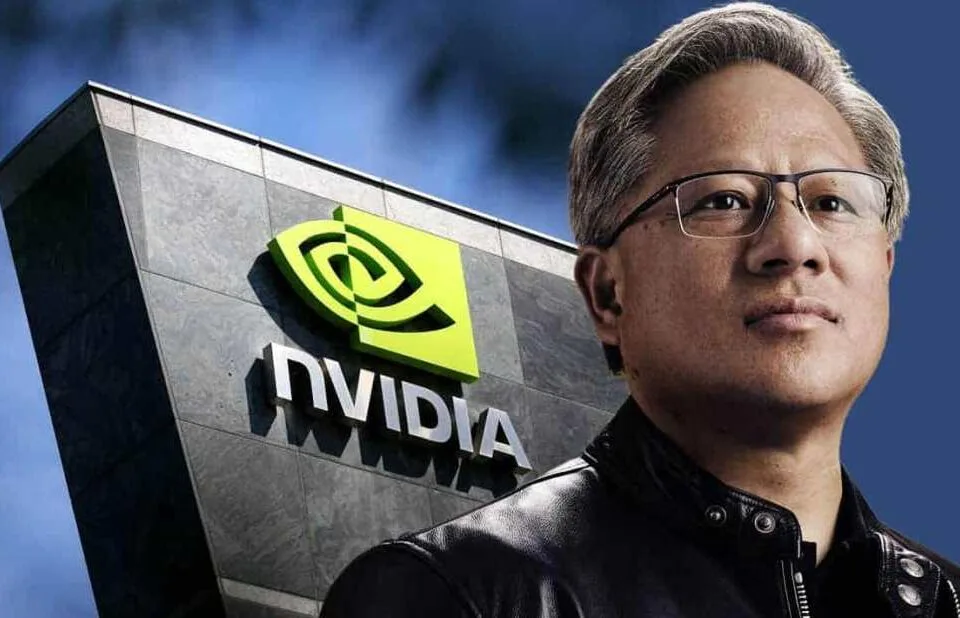
The AI chip landscape is experiencing a seismic shift as OpenAI reportedly begins using Google’s Tensor Processing Units (TPUs) instead of relying exclusively on NVIDIA’s GPUs. This strategic move could signal the beginning of the end for NVIDIA’s near-monopoly in the AI hardware market.
Table of Contents
OpenAI’s Hardware Strategy Evolution
| Provider | Chip Type | Previous Usage | Current Status |
|---|---|---|---|
| NVIDIA | H100/A100 GPUs | Primary training & inference | Reduced dependency |
| TPU v5e/v5p | None | New partnership | |
| Microsoft | NVIDIA via Azure | Major partner | Ongoing relationship |
| Oracle | NVIDIA inventory | Growing partnership | Stargate project |
According to The Information’s report, OpenAI is now using Google’s seventh-generation TPUs to power ChatGPT and other AI products, primarily to reduce operational costs amid surging user demand.
Why Google’s TPUs Are Gaining Traction
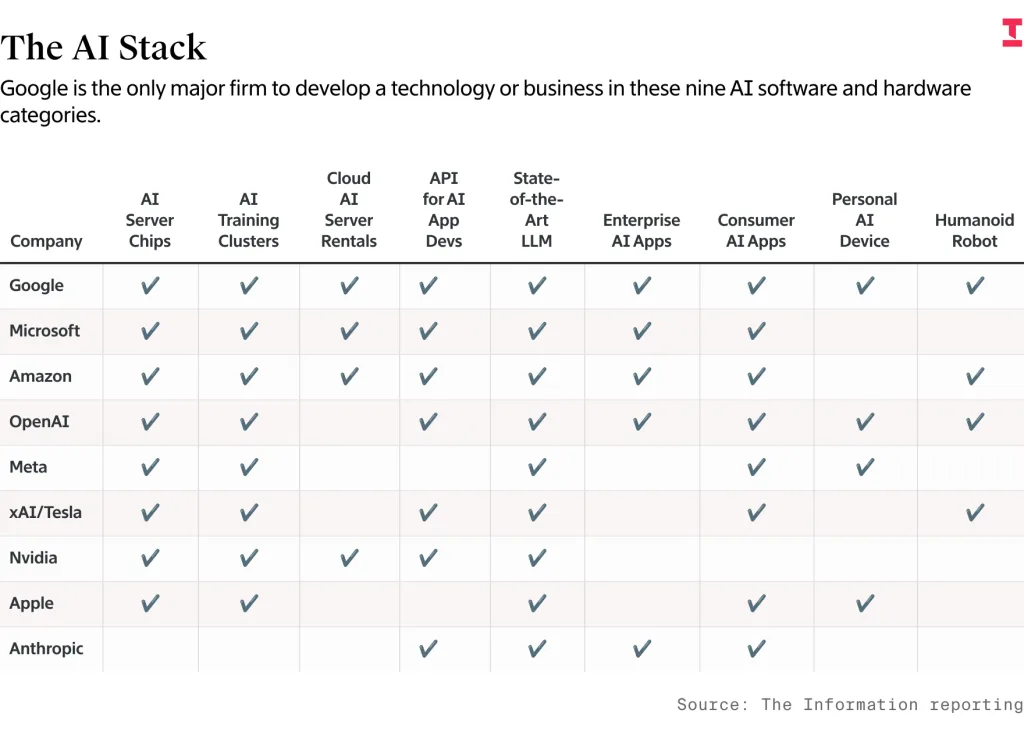
Google’s TPUs offer several compelling advantages over traditional GPU solutions:
- Cost Efficiency: Significantly lower operational expenses compared to NVIDIA’s premium pricing
- Purpose-Built Design: Specifically engineered for AI inference workloads
- Supply Availability: Less constrained than NVIDIA’s high-demand GPUs
- Integrated Ecosystem: Seamless integration with Google Cloud services
The move follows Apple’s earlier decision to use Google’s TPUs for Apple Intelligence training, demonstrating growing industry confidence in Google’s AI hardware.
Market Implications for NVIDIA
This shift poses significant challenges for NVIDIA’s AI dominance:
Immediate Impact: OpenAI’s partnership with Google breaks the exclusive reliance on NVIDIA hardware that has characterized the AI industry.
Long-term Concerns: If Google successfully targets cloud infrastructure providers with TPU offerings, NVIDIA could face widespread market share erosion.
Competitive Pressure: Alternative chip solutions are becoming viable, potentially ending NVIDIA’s pricing power.
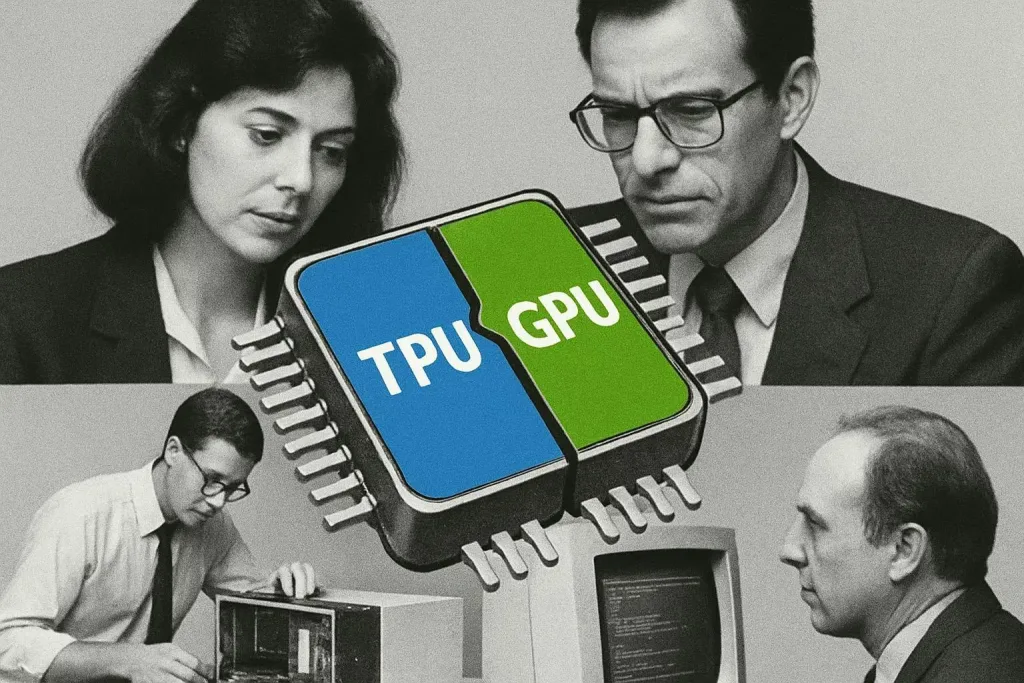
The Broader AI Hardware War
Google’s strategy extends beyond individual partnerships. The company is positioning itself as a comprehensive AI solution provider, offering both hardware (TPUs) and software (Gemini AI) across its ecosystem. This vertical integration approach mirrors successful tech giants like Apple and could provide sustainable competitive advantages.
The timing is particularly significant given NVIDIA’s ongoing supply constraints and premium pricing, which have created openings for competitors to establish footholds in the lucrative AI chip market.
For more analysis on AI hardware trends and market dynamics, explore our latest tech insights and AI industry coverage.