
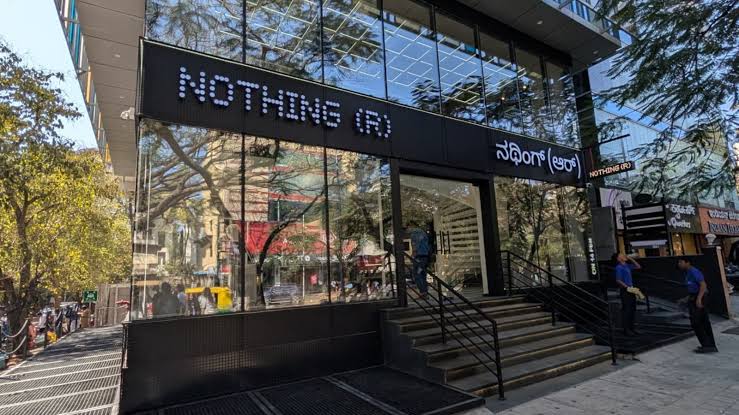
Nothing: The $1.3B Marketing Masterclass
Carl Pei has disrupted tech by ditching traditional ads for pure hype. By leveraging transparent hardware, community equity rounds, and manufactured scarcity, Nothing turned fans into investors. Their bold, founder-led transparency keeps the spotlight burning bright. With a $1.3 billion valuation and millions of units shipped, Nothing proves that iconic design is the ultimate marketing strategy for the modern digital era.

El Clásico: Mourinho Returns to Camp Nou
The stakes are sky-high as José Mourinho returns to El Clásico! Barcelona leads La Liga by six points, aiming to extend their dominance at home. Despite injury blows, Hansi Flick’s squad remains lethal. Meanwhile, a gritty Real Madrid side relies on Kylian Mbappé’s brilliance to bridge the gap. Expect a tactical masterclass—this clash is set to redefine the season’s title race.

Grok 4.8: xAI’s Massive 2.5T Parameter Beast
xAI is leveling up! Grok 4.8 is reportedly a massive 2.5-trillion-parameter model built on a custom C++ stack. Elon Musk confirmed it’s moving into reinforcement learning, eyeing an October or November launch. While rumors claim it beats rivals, official benchmarks remain missing. Is this the new frontier leader? Stay tuned as xAI pushes the limits of speed and scale.

One Piece Lands on Crunchyroll India
Big news, anime fans! The entire One Piece saga is finally streaming on Crunchyroll India. Join Monkey D. Luffy and the Straw Hat Pirates on their legendary quest for treasure.
- All episodes now in one place.
- Relive every iconic arc from East Blue to Egghead.
- Seamless streaming for newcomers and veterans alike.
Set sail today on Crunchyroll!

Squirrel Girl Joins X-Men ‘97 in 2027
Marvel’s fan-favorite, Squirrel Girl, is finally hitting Disney+! After her 2016 live-action show New Warriors was scrapped, Doreen Green is making her big comeback in X-Men ‘97 Season 3, arriving in 2027. Initially appearing as a guest cameo, fans are buzzing about her potential future in the MCU. Could a Champions-style team-up be next for this powerhouse hero?
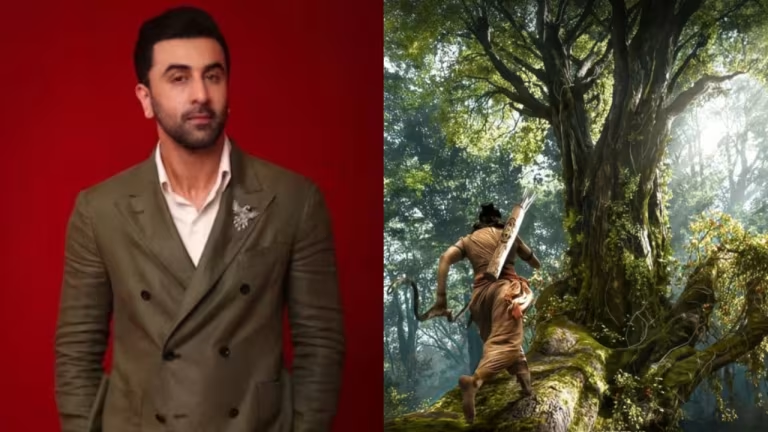
Ramayana: Can It Hit ₹2,000 Crore?
Nitesh Tiwari’s Ramayana is cinema’s biggest gamble. With a massive ₹2,000 crore budget, analysts suggest the film needs ₹1,400 crore in distributor shares to break even. While non-theatrical rights could cover ₹725 crore, the pressure is on the box office. To succeed, this epic must outperform giants like Baahubali 2. Can Ranbir Kapoor and Yash deliver this historic milestone?

ALPHA DRIVE ONE’s Geonwoo Sues WAKEONE
K-pop is reeling as ALPHA DRIVE ONE’s Geonwoo files a lawsuit against WAKEONE to terminate his exclusive contract. Following an April hiatus sparked by behavioral allegations, the star is now seeking legal clarity on his artist status. WAKEONE remains tight-lipped as proceedings begin. While the group continues as seven, Geonwoo’s future hangs in the balance pending a court ruling.

Signal Season 2: Premiere Date Rumors
Is Signal finally returning? Reports suggest a December 7 premiere for the long-awaited sequel, but tvN remains cautious, stating nothing is confirmed. Originally slated for June, the production faced delays following controversy involving actor Cho Jin Woong. Despite rumors of a double-episode debut, fans should wait for an official announcement. Stay tuned as this high-stakes K-drama saga continues to unfold.

Corbenic AI: 14x Faster Inference Breakthrough
Corbenic AI is revolutionizing LLM performance with its Galahad beta system. By storing attention states on standard NVMe drives instead of volatile GPU memory, it eliminates duplicate reads.
- The Blaise Edge: Filters token lookups for massive speed.
- Cost-Effective: Uses existing hardware, no custom silicon needed.
- Game Changer: Delivers a 14x performance boost for enterprise AI clusters today.
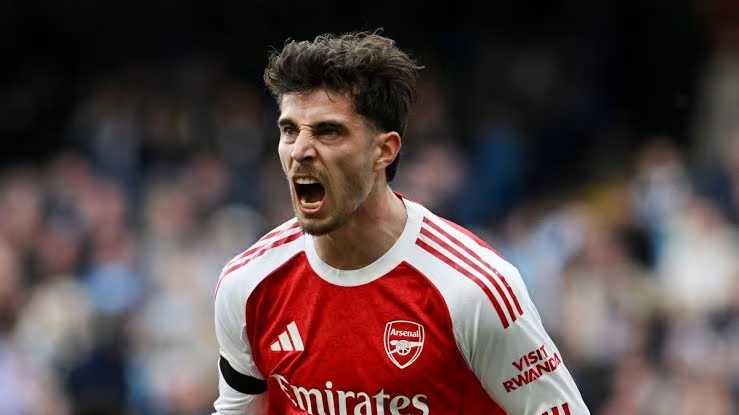
Arsenal’s Title Ambitions: Reality Check Hits
Mikel Arteta promised an aggressive title charge, but Arsenal’s recent performances tell a different story. Despite securing 18 points from seven matches, the Gunners are struggling to create chances, relying on grit over flair. With Manchester City pulling ahead, Arteta must fix the stagnant final third. Can Arsenal transition from steady progress to dominant, vertical football to keep their trophy dreams alive?
TinyFish: Is AI Search Really Free?
TinyFish claims to make web search free, but don’t be fooled. While they eliminate retrieval costs for AI agents, the real expense lies in model processing. Fetching data is just one layer; analyzing complex pages still burns through expensive tokens. With a solid 71-point benchmark score, TinyFish simplifies infrastructure, but your total AI bill depends on your specific, data-heavy workflows.