
 SA329 (82.3 ov)
 AUS
AUS BAN
BAN WI
WI IND-W
IND-W ZIM-W
ZIM-W GOA
GOA SC Delhi
 Milan
Milan Bologna
 Parma
Parma Udinese
 Venezia
 Inter Milan
 Genoa
Genoa Juventus
 Monza
Monza Napoli
 ROMA4
ROMA4 CAG2
CAG2 TOR1
TOR1 COMO3
COMO3 SAS2
SAS2 LAZ6
LAZ6 AFG177
 ZIM140 (19.1/20 ov, target 178)
 AUCK
AUCK CANT
CANT CD
CD ND
ND SIKM184
 NAGA187 & 46/4 (34 ov)
 JHK131/4 (47 ov)
 DELHI515/5d
 ODSA194
 SVCS13/0 (5 ov)
 BRODA616
 J & K6/0 (4 ov)
 CHD685/5d
 HP49/0 (14 ov)
 CGR216/8 (95 ov)
 AP231
AP231 HYD193/2 (54 ov)
 PNJB431
 KNTKA297/7 (95 ov)
 TPURA194
 KER101/6 (35 ov)
 BENG350
 UAE
UAE OMA
OMA ENG
ENG SL
SL DEN
DEN QAT
QAT KENYA
KENYA KUW
KUW POA
POA SPR
SPR BRB
BRB VAG
VAG PAK110
 NAM316/7
 IRE253 (44.5/50 ov, target 317)
 NZ198/3
 IND199/4 (13.2/20 ov, target 199)
 NED371/5
 JAB113 (19.3/20 ov, target 133)
 KAY132/9
 Gamba Osaka
 Buriram
 Kashima
 Pohang Steelers
 ABH0
ABH0 ALF1
ALF1 Sevilla2
 Osasuna0
 PSG2
PSG2 Lyon0
Lyon0
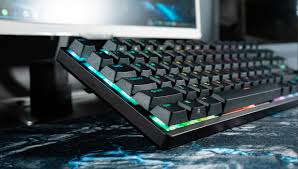
The enduring appeal of mechanical keyboards isn’t just about a satisfying click; it’s increasingly about a more sustainable tech choice. While the digital world races towards the next ephemeral gadget, these robust input devices offer a longevity and tactile experience that membrane keyboards simply can’t match. As innovation continues, evidenced by recent launches like the Keychron Q8 mechanical keyboard, which officially launched on April 10, 2026, priced at $189, we find that the core principles driving their popularity remain profoundly relevant. This isn’t just nostalgia; it’s a conscious choice for quality, performance, and even environmental responsibility.
The Environmental Advantage: Durability vs. Disposable Tech
In an era where electronic waste is a growing concern, the lifespan of mechanical keyboards presents a compelling environmental argument. Unlike their membrane counterparts, which typically offer a lifespan of around 5 million keystrokes, mechanical switches are built to last. Brands like Cherry Corporation, with their venerable Cherry MX switches introduced in 1983, boast durability figures of up to 50 million keystrokes per switch. This means a single mechanical keyboard can outlast multiple membrane keyboards, significantly reducing the frequency of replacements and, consequently, the amount of electronic waste generated. While the initial cost might be higher, the extended operational life makes them a more sustainable long-term investment, a factor often overlooked in the rush for cheaper, disposable tech.
Tactile Feedback: The Unseen Performance Enhancer
At the heart of the mechanical keyboards‘ enduring appeal is the superior tactile feedback they provide. Each keypress actuates a distinct mechanical switch, offering a noticeable bump and, in some cases, an audible click. Take the Cherry MX Blue switches, for instance, requiring an average actuation force of 60 cN to register a press. This physical response confirms actuation, leading to improved typing accuracy and speed. For professionals and gamers alike, this precision is invaluable. It minimizes errors, reduces the need for backspacing, and allows for faster, more confident input. This tangible connection to the digital interface is something the mushy, less responsive feel of membrane keyboards struggles to replicate.
A Spectrum of Switches: Tailoring the Typing Experience
The diversity of mechanical switch types allows users to tailor their typing experience precisely to their preferences, a key driver of their sustained appeal. Beyond the tactile-bump-and-click of Blue switches, options like Cherry MX Red offer a smooth, linear travel with a lighter actuation force (around 45 cN), favoured by gamers for rapid, consistent presses. Cherry MX Brown switches provide a subtle tactile bump without the audible click, offering a balanced experience for both typing and gaming. This level of customization extends to newer brands and switch designs, like those found in the Keychron Q8, which often feature hot-swappable switches, allowing users to easily change switch types without soldering. This adaptability ensures that mechanical keyboards can evolve with the user’s needs.
Market Momentum: A $1.2 Billion Testament to Quality
The market data itself speaks volumes about the enduring appeal of mechanical keyboards. Valued at approximately $1.2 billion in 2025, the global market is projected to grow at a compound annual growth rate (CAGR) of 7.5% through 2030, according to The Verge. This sustained growth, despite the prevalence of cheaper alternatives, underscores a consumer shift towards quality and durability. Brands like Logitech, Razer, Corsair, and Keychron continue to innovate, offering models that range from accessible entry points around $70 to premium builds exceeding $300. Features like customizable RGB lighting, programmable keys, and advanced build materials further cement their position not just as input devices, but as personal computing statement pieces.
FAQs
What makes mechanical keyboards better than membrane keyboards?
it offer superior tactile feedback, increased durability (up to 50 million keystrokes per switch compared to 5 million for membrane), enhanced typing accuracy and speed, and greater customization options.
Are this more environmentally friendly?
Yes, due to their significantly longer lifespan, the technology generate less electronic waste over time compared to disposable membrane keyboards, making them a more sustainable choice.


