NED
 OMA
 NZ
 IND
 NAM
 IRE
 PAK
 SL
 SA
 AUS
 Abha
 Al Faisaly
 AFG
 ZIM
 Sassuolo
 Lazio
 SEV2
 OSA0
 PSG2
 LYON0
 MBSG1
 CFC0
 Barcelona1
 Real Madrid2
 BRB123/5 (14.3/20 ov, target 148)
 MIS147
 NZ-A317 & 8/2 (4 ov, target 313)
 IND-A113 & 516
 SYL575/4 (167.3 ov)
 KHU
 MYMS465/7d
 CHATT424/6 (121 ov)
 DHA521
 RAJ162 & 215/5 (59.1 ov) (f/o)
 RAN402 & 5/0 (2.3 ov)
 BAR443/9d
 SIKM30/1 (15 ov)
 NAGA187
 JHK
 DELHI309/5 (90 ov)
 ODSA194
 SVCS13/0 (5 ov)
 BRODA259/6 (86 ov)
 J & K
 CHD363/2 (87 ov)
 HP
 CGR35/1 (14 ov)
 AP231
 BAN
 WI
 IND-W
 ZIM-W
 MEX-W51 (12.5/20 ov, target 187)
 ARG-W186/7
 NGA148
 UGA147/9 (20 ov, target 149)
 MOW107/9
 TOK111/5 (18.4/20 ov, target 108)
 LUL88/3 (9.5/20 ov, target 88)
 SPR87
 VAG169/4
 TUA3
 MUS0
 U. de Chile3
 EVE0
 USF0
 EST0
 BRN0
 DEF0
 POT0
 GUA0
 AS Roma
 Cagliari
 Torino
 Como
 CFC
 GRE
 FLA
 CAM
 Daejeon
 Vissel Kobe
 Darul Ta'zim
 Port FC
 Udinese0
 Milan2
 Real Sociedad2
 Levante1
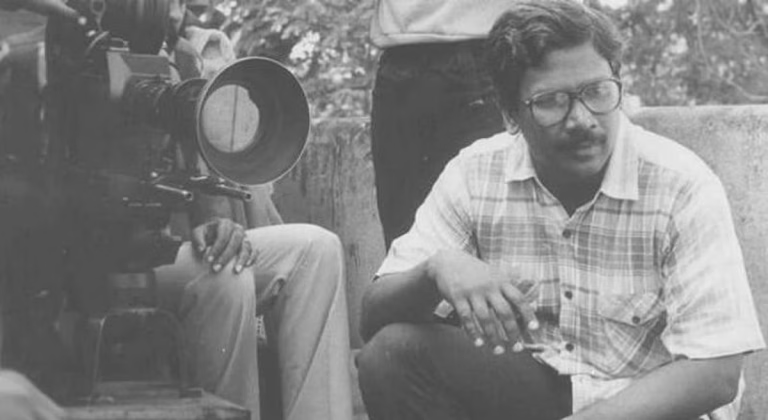
Mani Ratnam stands as a giant in Indian cinema, skillfully weaving visual motifs into his films to convey deep emotional conflicts. From the vibrant countryside in Roja (1992) to the bustling urban chaos in Bombay (1995), Ratnam’s storytelling goes beyond aesthetics. He creates an emotional backdrop that truly resonates with viewers. His knack for blending visual elements with thematic depth cements his reputation as a visionary director.
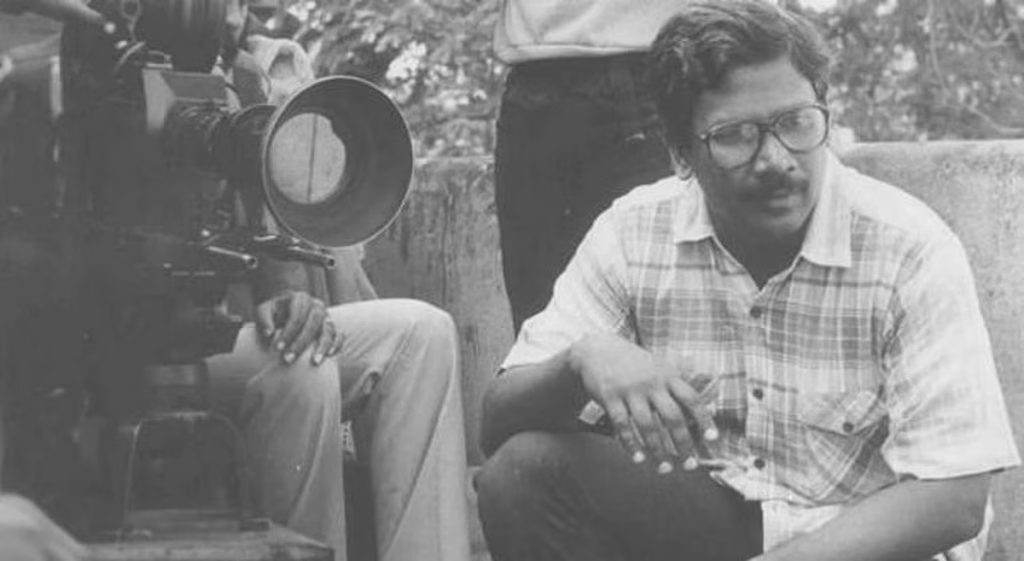
Mani Ratnam: Key Details: Ratnam’s Visual Language
In Roja, Ratnam introduced audiences to A.R. Rahman’s unforgettable score while diving into themes of love and sacrifice. The film’s lush visuals of the Tamil countryside stand in stark contrast to the harsh realities of war, setting a poignant tone that echoes throughout. Notably, Roja won the National Film Award for Best Direction, marking a significant milestone for both Ratnam and A.R. Rahman as they rose in the industry.
Moving to Bombay, Ratnam tackled the sensitive topic of the 1992–93 Bombay riots. The film uses recurring visuals of fire and water to represent destruction and renewal. These elements do more than just decorate the screen; they elevate the emotional stakes for characters like Arvind Swamy and Manisha Koirala, who face personal tragedies amid societal upheaval.
In Dil Se (1998), Ratnam delved deeper into emotional conflict using contrasting visuals. The vibrancy of love meets the stark reality of terrorism, making this film stand out. It even became the first Indian film to break into the UK Top 10 charts, showcasing its universal appeal and Ratnam’s ability to merge commercial success with artistic integrity.
Kannathil Muthamittal (2002) marked a key thematic shift, using the Sri Lankan civil war backdrop to explore personal identity struggles. In this film, the landscape itself acts like a character, reflecting the fractured identities of its protagonists. This film earned two National Film Awards, including Best Child Artist for Keerthana, highlighting Ratnam’s talent for drawing out powerful performances that align with his visual narrative.
In Guru (2007), Ratnam portrayed ambition and morality through the protagonist’s journey, using visual motifs of light and shadow to symbolize the duality of his aspirations. This film reportedly grossed around ₹52 crore worldwide, proving Ratnam’s commercial viability alongside his artistic vision.
Most recently, Ponniyin Selvan: I (2022) and Ponniyin Selvan: II (2023) further showcase Ratnam’s skill with visual motifs to express emotional depth. The epic saga grossed over ₹500 crore and about ₹225 crore worldwide, proving his continued influence.
Context: Cultural Impact and Legacy
Ratnam’s films act as mirrors reflecting societal issues while also exploring the complexities of human emotions. His use of visual motifs like rain, fire, and water transcends cultural boundaries, enabling audiences to connect deeply with the emotional core of his stories. The recurring rain sequences, for instance, appear in at least six major films, symbolizing emotional catharsis and transformation—a recurring theme in Ratnam’s narrative style. For more details, check out VentureBeat AI.
The influence of Ratnam’s work extends well beyond the silver screen. He has shaped a generation of filmmakers and composers. His partnership with A.R. Rahman redefined Indian film music, producing soundtracks that enhance the visual storytelling. The emotional impact of his films has turned them into study material in film schools, highlighting their importance in the cinematic landscape.
What’s Next: Future Directions for Ratnam
As of now, Ratnam’s artistic journey continues to evolve. With the success of Ponniyin Selvan, he has reaffirmed his status as a master storyteller who adapts timeless narratives for modern audiences. We might see him exploring new themes while keeping his signature visual motifs, further enriching the cinematic experience.
Ratnam’s films encourage viewers to confront complex emotional conflicts through stunning visuals, making him a pivotal figure in Indian cinema. As we look forward, the real question is: how will he continue to push the boundaries of storytelling in an ever-evolving cinematic landscape?
FAQs
How did Mani Ratnam’s films influence Indian cinema?
Mani Ratnam’s films introduced innovative storytelling techniques and visual motifs that inspired a generation of filmmakers, reshaping narrative styles in Indian cinema.
What are some recurring themes in Ratnam’s films?
Common themes include love, sacrifice, identity, and societal issues, often depicted through powerful visual metaphors like fire, water, and rain.
How did A.R. Rahman contribute to Ratnam’s films?
A.R. Rahman’s music has been crucial to Ratnam’s storytelling, enhancing the emotional impact of his films and helping them achieve commercial success.
What is the significance of rain sequences in Ratnam’s films?
Rain sequences symbolize emotional catharsis and transformation, serving as a powerful visual motif that recurs across several of Ratnam’s works.