Sanjay Leela Bhansali’s ambitious romance drama Love and War has implemented unprecedented security measures, signing over 500 non-disclosure agreements (NDAs) with cast and crew to prevent set leaks and insider information from reaching the public. The sweeping confidentiality protocols reveal how fiercely Bhansali is guarding his most expensive directorial venture, featuring Ranbir Kapoor, Alia Bhatt, and Vicky Kaushal. This extreme level of secrecy raises questions about production transparency and industry standards during an era of social media surveillance.
Table of Contents
Love and War Production Security: NDA Breakdown & Scale
| Security Layer | Details | Scale | Purpose |
|---|---|---|---|
| NDA Signings | Cast + Crew agreements | 500+ | Prevent public leaks |
| Set Access | Limited visitor policies | Restricted | Confidentiality enforcement |
| Photography Bans | Phone cameras prohibited | Absolute | Visual information control |
| Crew Confidentiality | Non-essential staff silent | Strict | Information compartmentalization |
| Release Date | Post-Ramayana (Oct 2026+) | Indefinite | Strategic scheduling |
The 500 NDA Phenomenon: Why Bhansali Is Taking Extreme Measures
Over 500 NDAs have already been signed or are currently in process, ensuring that information, visuals, or material from the sets do not make their way into the public domain. This unprecedented scale reflects Bhansali’s obsessive approach to filmmaking, where secrecy becomes part of the creative process.
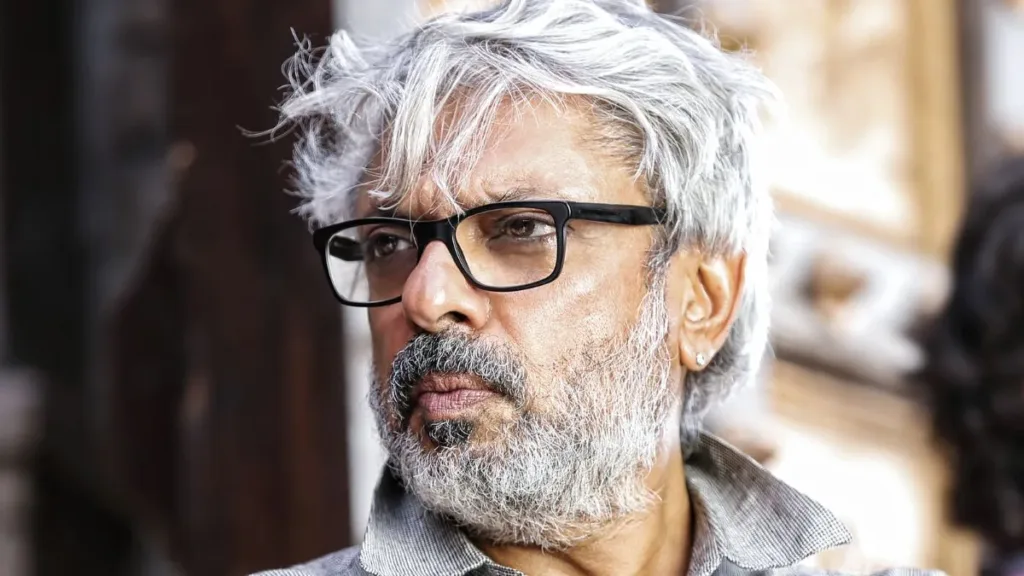
Not just the principal cast, but makers have reportedly asked a large section of the crew working on the project to sign strict NDAs, meaning even background actors, assistants, and production coordinators face confidentiality restrictions. This comprehensive approach prevents accidental leaks from lower-ranking crew members who might share set stories on social media.
Check out our complete Bollywood 2026 filming schedule & production updates guide for behind-the-scenes insights and set controversies!
Budget & Schedule Challenges: Why Secrecy Matters
Ranbir Kapoor, Alia Bhatt and Vicky Kaushal are reshooting some of the crucial scenes for Love and War, with the budget having escalated due to reshoot requirements. These expensive reworkings make Bhansali hypersensitive to production details becoming public, as leaked information could invite speculation and criticism.
The film is expected to hit cinemas after Ramayana Part One, which is slated for October 2026, suggesting a late 2026 or 2027 theatrical release, though no official date has been announced.
Bhansali’s Historical Precedent: Padmaavat & Set Control
This NDA intensity echoes Bhansali’s past projects, particularly Padmaavat (2017), where set security became legendary after protests, vandalism, and alleged assault against the director. Love and War’s extreme confidentiality protocols suggest Bhansali learned harsh lessons about protecting creative control and preventing external interference during production.
Industry Concerns: Are 500 NDAs Excessive?
The sheer number raises ethical questions: does restricting crew communication violate workers’ rights to basic expression? Some argue such overreach alienates production teams and creates unnecessarily hostile work environments. Others defend Bhansali’s approach, noting that modern cinema demands protection against viral leaks destroying cinematic surprises.
Frequently Asked Questions
Q: Why would Bhansali sign 500+ NDAs when traditional film productions use standard confidentiality clauses?
A: Love and War’s massive budget (reportedly ₹200+ crore), A-list cast, and strategic release timing make leak prevention critical for box-office surprise value and competitive advantage against rival productions.
Q: Will the 500 NDAs actually prevent leaks, or is this just theatrical gesture by Bhansali?
A: NDAs create legal liability for crew members but don’t guarantee compliance—social media’s speed outpaces enforcement. However, the psychological deterrent effect makes discretion the path of least resistance for most crew members.