An antitrust lawsuit against Live Nation Entertainment has picked back up after settlement talks with state attorneys general went nowhere. The case focuses on claims that Live Nation has a stranglehold on concert ticketing and promotion. It’s shaping up to be one of the biggest legal battles the live events industry has faced in years.
Why This Antitrust Lawsuit Matters
Live Nation controls roughly 70% of the U.S. concert promotion market and runs Ticketmaster, which dominates the ticketing space. When one company controls both promotion and ticketing, that’s a problem. The lawsuit claims Live Nation weaponizes this power to crush competitors and hike prices for everyone.
Settlement talks between Live Nation and state attorneys general collapsed in early March 2026. California, New York, Texas, and other states wanted real changes to stop the anti-competitive behavior. Now that negotiations fell apart, the case heads to trial where the court will examine whether Live Nation actually manipulated markets and locked out rivals.
The Core Allegations & Timeline
Prosecutors say Live Nation uses Ticketmaster’s power to force venues into exclusive deals with them. If artists or promoters won’t play ball, they lose access to major venues. This creates a chokehold on how concerts get distributed, leaving almost no room for anyone else to compete.
Then there’s the hidden fees problem. Ticketmaster slaps on “service charges” and “facility charges” that can run 20-50% higher than the face value of a ticket. You don’t see these costs until you’re about to check out. Since there’s no real alternative for major events, fans have no choice but to pay.
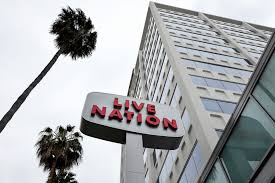
The trial will likely focus on emails and documents showing Live Nation deliberately squeezed out competitors and coordinated pricing. If prosecutors win, we could see major changes: Ticketmaster might get split off as a separate company, exclusive venue deals could be banned, or there might be new rules forcing transparency on ticket prices (according to VentureBeat AI).
What’s at Stake for Fans & Artists
A win for the states could completely change how the live music business works. Ticket fees could drop noticeably. Artists would suddenly have more leverage—right now many feel trapped into accepting Live Nation’s terms or losing access to big markets.
This lawsuit also puts entertainment monopolies on notice. If regulators pull this off, you’ll probably see similar challenges in streaming, sports promotion, and festivals. The whole industry is paying close attention to how this plays out (as reported by OpenAI Blog).
Key Questions Answered
Q: When will the trial conclude?
Nobody’s given a firm date yet, but cases this complex usually run 6-12 months. Don’t expect a verdict before late 2026.
Q: Could Live Nation settle while the trial is happening?
It’s possible. Once discovery turns up really damaging evidence, companies often change their minds about settling. That said, the failed state negotiations suggest Live Nation’s ready to fight this all the way.
Q: What happens if Live Nation loses?
They could be forced to sell off Ticketmaster, face price limits, or have to let other ticketing companies compete on equal footing.
Q: Will concert prices drop while this is going on?
Probably not anytime soon. Prices won’t budge during the lawsuit. But if the states win, we could see fees come down within 12-24 months once the court orders changes.