A detailed performance analysis of Kookaburra vs Duke cricket balls reveals distinct differences in how these tools influence the game at the highest level. Test cricket relies heavily on the specific behavior of the ball, with manufacturers tailoring their designs to suit varied global conditions. Whether it’s the prominent seam of the English-made Duke or the machine-stitched durability of the Australian Kookaburra, understanding these nuances is essential for grasping modern Test Cricket!
Performance Analysis of Ball Dynamics and Seam Integrity
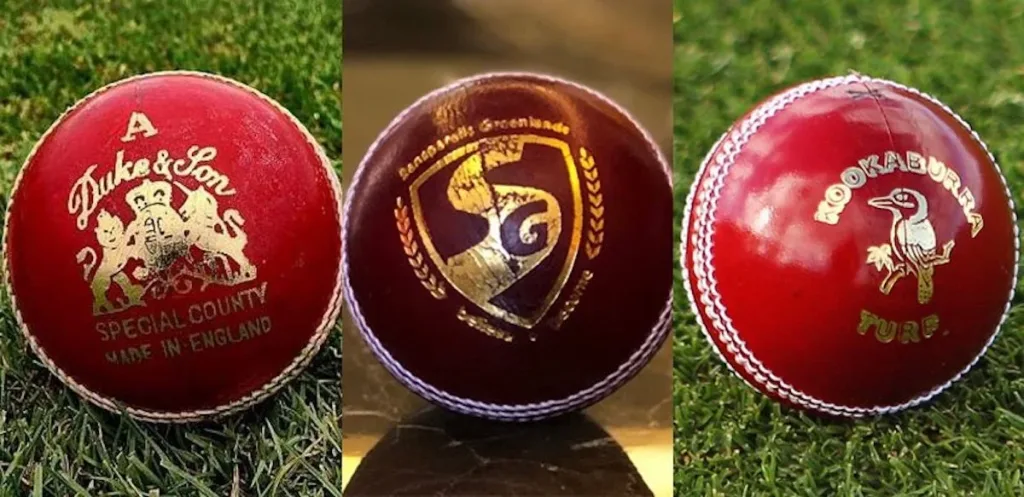
The Duke ball, traditionally hand-stitched, features a more prominent seam that consistently assists swing and seam movement throughout an innings. Because of its meticulous construction, the ball retains its shape and seam integrity much longer than its counterparts. In contrast, the Kookaburra ball, manufactured in Australia, is designed for harder, bouncier pitches. It utilizes two outer rows of machine-stitching and two inner rows of hand-stitching. However, it tends to lose shape and hardness faster, which frequently reduces the amount of movement available to bowlers as the match progresses. In professional Top test cricket, these technical variations dictate bowling strategies and batter approaches globally.
Impact of Kookaburra Trials in English Conditions
England’s County Championship recently concluded a three-season trial using Kookaburra balls, with plans to revert to the traditional Duke balls starting next season. This experiment yielded staggering batting results, notably in June 2025, where two rounds of matches produced an average first-innings total of 430 and 59 individual centuries. The batting-friendly nature of these balls was underscored when Surrey declared at 820-9 in a match against Durham at The Oval. While these stats highlight the ball’s tendency to become easier for batters once the shine wears off, it also sparked a debate about the balance between bat and ball in domestic Test Cricket: impressive performance standards.
Alternatives Worth Considering
For those following global cricket developments, the SG ball remains the standard for Test matches in India, having been used consistently since 1994. Additionally, New Zealand Cricket experimented with the Duke ball in 2017 to test its effectiveness in local conditions.
While these alternatives offer unique characteristics, the Kookaburra remains the mandated choice for all matches in the upcoming 2025/26 Ashes Test series in Australia. Comparing these options helps clarify why performance analysis is so critical for ground staff and team selectors alike.
Expert Perspectives on Ball Selection
Analysts often note that while the Duke ball is a favorite for swing specialists, the Kookaburra is better suited for the hard, fast surfaces found in Australia. Coaches and players acknowledge that switching between these balls requires significant technical adjustments, particularly regarding grip and release points, which directly impacts match outcomes. Understanding performance analysis fully means staying ahead of these developments.
FAQs
Which ball is used in the Ashes?
All matches in the 2025/26 Ashes Test series in Australia will use the Kookaburra ball.
What makes the Duke ball different?
The Duke ball is hand-stitched, providing a more prominent seam that assists swing bowling longer.
Why do Kookaburra balls favor batters?
They tend to lose their shape and hardness faster, reducing movement and becoming easier to hit. performance analysis