The IPL just sold two franchises for over $3 billion combined. Yet the players — the very people who fill stadiums and draw billions of eyeballs — are walking away with a fraction of that pie. Former India opener Abhinav Mukund has had enough of the silence, and frankly, he’s got a point.
IPL vs Global Leagues — The Money Gap
| League | Season Duration | Player Revenue Share | Top Annual Salary |
|---|---|---|---|
| IPL 2026 | ~2 months | ~18% | ₹24 crore (~$2.9M) |
| English Premier League | 10 months | ~70% | $30M+ |
| NFL (USA) | ~6 months | ~50% | $60M+ |
| MLB (Baseball) | ~7 months | ~50% | $40M+ |
Mukund’s Argument: The Numbers Don’t Add Up
Mukund, speaking on The Great Indian Cricket Show on Doordarshan, argued that franchises earn ₹400–500 crore annually, while spending only ₹100–120 crore on player salaries — a ratio he called disproportionately low. His solution? Raise the salary cap to ₹200–250 crore per franchise — effectively doubling player pay.
He also made a sharp observation: the highest-paid IPL cricketers often rely more on endorsements than league contracts for income, indicating that IPL salaries alone may not reflect a player’s true market value.
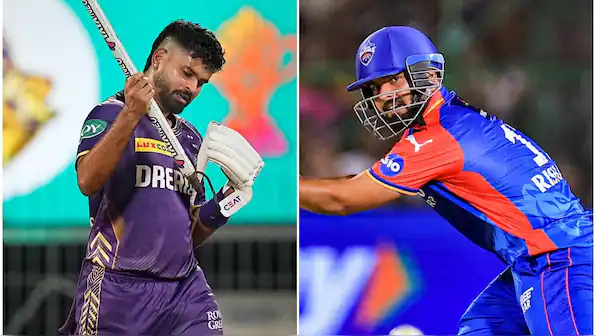
For 2026, each IPL franchise operates with a purse of ₹125 crore — a figure that has steadily risen over the years but remains central to the league’s competitive balance. Filmibeat
🔗 Also Read: IPL 2026 Full Schedule, Fixtures & Match Timings — Technosports
But Is It Really That Simple?
Not entirely. The IPL’s salary cap isn’t just about money — it’s about parity. Unlike open-market leagues where clubs can spend freely, the IPL’s auction-based structure prevents wealthier teams from monopolising talent, which is a key factor behind the league’s sustained competitiveness and popularity.
The per-match math also changes things. On a per-match or per-week basis, top-tier IPL players can rival or even exceed many global athletes — it’s when salaries are viewed annually that the gap widens, given the IPL’s short two-month window compared to year-round leagues like the EPL or NFL.
That said, the revenue-share gap is hard to ignore: IPL players receive roughly 18% of league revenues versus nearly 70% in the EPL — a stark contrast that lends real weight to Mukund’s frustration.
🔗 Related: IPL 2026 Auction Results & Team Squads — Technosports
For more on how T20 leagues structure contracts and revenue globally, visit the Indian Premier League Wikipedia page.
FAQs
Q1. What is the IPL salary cap in 2026?
Q2. Why are IPL players considered underpaid compared to footballers?
IPL players earn only around 18% of league revenues, while EPL footballers receive nearly 70% — and the IPL’s two-month format makes annual salary comparisons with year-long leagues inherently lopsided.