NAM321/6 (50 ov)
 IRE
 GMB
 ZMB
 NGA
 LES
 CAG
 BOL
 COMO
 SAS
 FCA
 FCU
 KOE
 S04
 M05
 SVW
 RBL
 ELV
 MOZ19
 UGA23/0 (0.5/20 ov, target 20)
 NZ180/5
 IND181/6 (19.5/20 ov, target 181)
 Ipswich1
 Nottm Forest1
 Alavés1
 Málaga1
 WA105/3 (18.5/50 ov, target 372)
 NSW371/8
 DEN
 KUW
 KENYA
 QAT
 SWD-W
 EPR-W
 TTN-W
 WPR-W
 BOR
 WAR15/1 (2.5/20 ov)
 LIONS
 Limpo21/1 (2.5/20 ov)
 NZ-A135/3 (41 ov)
 IND-A113
 DHA293/3 (84.1 ov)
 RAJ
 MYMS
 CHATT
 RAN320/5 (80 ov)
 BAR
 MEX-W
 ARG-W
 UAE
 NED
 PAK
 ENG
 IND-W
 ZIM-W
 AFG170/3 (34.3/50 ov, target 170)
 ZIM169
 SCP
 HSV
 ARS
 EVE
 Torino3
 Monza2
 Brest1
 Nice2
 Stuttgart2
 Gladbach3
 Al Ahli4
 Al Khaleej1

Intel released its latest Core Ultra processors to compete with AMD and Apple, shifting focus to real-world cost efficiency. Raw benchmarks rarely reflect actual spending habits when thermal requirements and peripheral costs enter the equation. We examine how these chips stack up for budget-conscious builders and enterprise deployers.
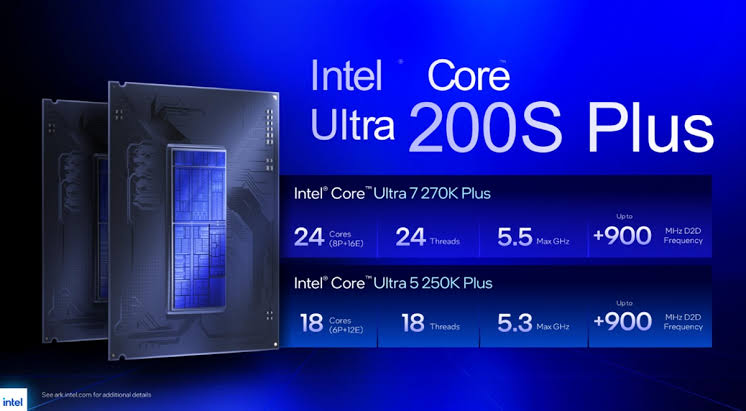
Market Positioning and Base Pricing
Performance Per Dollar Analysis
Real-World Deployment Scenarios
Enterprise procurement teams evaluate total cost of ownership across three to five year deployment cycles. Replacement frequency and warranty coverage change the mathematical model completely. Devices built around efficient silicon typically outlast higher-wattage competitors because reduced heat stress preserves motherboard capacitors. Creative professionals benefit from predictable performance ceilings that match subscription software updates.
Platform longevity directly impacts content creation pipelines. Recent announcements regarding Xiaomi Unveils Redmi 17 highlight how mobile computing standards increasingly mirror desktop efficiency metrics, while streaming productions featuring Nicolas Cage Plays A demanding physical role prove that optimized render queues save studios millions annually. Budget allocations for digital media production must account for cross-platform compatibility. Rendering engines constantly shift minimum hardware requirements toward specialized accelerators. Organizations funding large-scale media projects track these shifts closely to avoid premature hardware obsolescence.
Choose silicon based on sustained wattage and ecosystem lock-in costs, not peak multi-core scores. Efficient processors pay for themselves through lower electricity bills and extended replacement cycles.
Related Articles
- iPhone 18 Pro Max Battery Capacity Leaked: eSIM vs Non-eSIM Versions Revealed
- Flex X Cop 2: Ahn Bo Hyun Fights for His Life Onstage as Jeon Hye Bin Watches in Horror
- Marvel's VisionQuest Is Bringing the MCU's Own Version of Boba Fett to…
FAQs
How does Intel Core Ultra compare to AMD Ryzen for office workloads?
Both processors handle standard applications efficiently, though Core Ultra generally maintains lower idle power consumption. Users prioritizing background multitasking without thermal throttling will notice a measurable difference in sustained performance.
Are dedicated graphics cards necessary for cost-efficient desktop builds?
Modern integrated graphics handle most productivity tasks without requiring separate hardware. Purchasing a discrete GPU only increases total system cost and annual power requirements for typical deployments.
Which platform offers better longevity for remote workers?
Platforms with mature driver support and longer motherboard compatibility windows provide superior long-term value. Efficient silicon reduces wear on cooling components and extends overall device lifespan.
Was this article helpful?
Your feedback directly improves future articles on this site.