Here’s the thing: India’s esports ecosystem just hit a turning point. With over ₹2,850 crore in annual revenue and mobile gaming dominating the landscape, Indian teams are finally stepping onto the global stage with serious hardware, sponsorship backing, and training infrastructure that rivals international competitors. The India’s mobile gaming market continues to boom with esports, and 2026 is shaping up to be the year when homegrown talent stops being an afterthought in international tournaments.
Table of Contents
Why 2026 Marks a Turning Point for Indian Esports
India’s mobile esports scene has exploded in the last 18 months. Teams like Godlike Esports, Global Esports, and Fnatic India aren’t just competing domestically anymore—they’re investing heavily in international rosters and bootcamp facilities. The shift happened because sponsorship deals finally matched the ambition.
Major brands like OnePlus, iQOO, and POCO are now backing Indian teams with multi-crore contracts, funding everything from player salaries to state-of-the-art training centers. What changed? The audience grew. Mobile esports viewership in India crossed 15 million concurrent viewers during major tournaments in 2025, making Indian teams attractive to global sponsors looking for Asian market penetration.
Hardware Investment: The Real Game Changer
Top Indian esports teams are no longer settling for budget gear. POCO X7 Pro Ultra (₹28,999) and iQOO 13 Pro (₹64,999) have become standard issue for competitive BGMI and Call of Duty Mobile squads. These devices pack Snapdragon 8 Gen 3 Leading Version processors with 144Hz AMOLED displays, delivering the sub-10ms response times that separate winners from runners-up in clutch moments.
Fnatic India’s roster, for instance, recently upgraded their entire team to OnePlus 13 devices (₹61,999 for the base model) specifically for the latency advantages during international bootcamps. The esports player earnings in India have hit new heights, enabling teams to invest in premium peripherals too—gaming triggers from brands like Flydigi (₹1,299–₹3,499) and cooling fans from AirRig (₹2,899) are now standard equipment rather than luxury additions.
Training Infrastructure and Bootcamp Strategy
Indian teams learned from watching Korean and Chinese esports powerhouses. They’re now running structured bootcamps in tier-1 cities with dedicated coaching staff, sports psychologists, and nutritionists. Godlike Esports’ new Mumbai facility, for example, features dedicated 500 Mbps fiber connections, climate-controlled practice pods, and 24-hour medical support—infrastructure that costs roughly ₹8–12 lakh monthly to maintain.
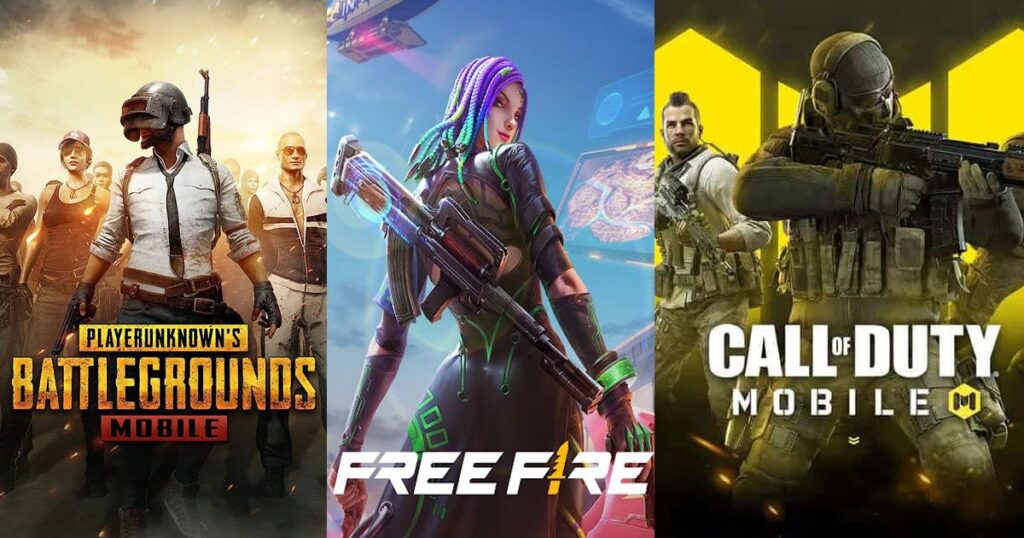
The international tournaments they’re targeting include PUBG Mobile Global Championship (PMGC), Call of Duty Mobile World Championship, and Free Fire World Series. What’s striking is the professionalization. Teams are now hiring international coaches from Southeast Asia and Korea, paying ₹1.5–3 lakh monthly per coach, because they understand that raw talent without tactical depth won’t cut it against Chinese and Korean teams that have been grinding this for five years.
What Are Indian Teams Actually Targeting in 2026?
The short answer: everything. Indian squads have qualified for three major international tournaments scheduled for Q2–Q4 2026. BGMI’s largest teams are eyeing the PMGC finals in Seoul (prize pool: $4 million USD, roughly ₹33 crore), while Free Fire rosters are pushing hard for FFWS slots. But here’s what people don’t realize—the real opportunity is in emerging mobile titles.
Games like Honkai: Star Rail and Wuthering Waves are launching competitive esports ecosystems, and Indian teams are positioning themselves early. Teams like Global Esports are already recruiting players specifically for these titles, betting that first-mover advantage in India will translate to international relevance.
Quick Comparison
| Team Focus | Primary Games | International Target | Training Investment (Monthly) | Sponsorship Status |
|---|---|---|---|---|
| Godlike Esports | BGMI, Free Fire | PMGC, FFWS | ₹18–22 lakh | OnePlus, RedBull |
| Global Esports | BGMI, Valorant, Honkai | PMGC, emerging titles | ₹20–25 lakh | iQOO, Puma |
| Fnatic India | Call of Duty Mobile, BGMI | CDM World Championship | ₹15–18 lakh | OnePlus, Monster Energy |
Pros and Cons
| Pros | Cons |
|---|---|
| Premium mobile hardware now within team budgets (₹25k–65k per device) | International travel costs still prohibitive (₹3–5 lakh per bootcamp) |
| Sponsorship deals funding infrastructure and salaries | Visa delays and logistical complexity for international tournaments |
| Young talent pool is massive and hungry for opportunities | Inconsistent tournament scheduling creates training gaps |
| Indian gaming accessories are now smarter and more customizable, leveling the field | Prize pool distribution heavily favors Chinese and Korean teams |
Conclusion
Indian esports teams are genuinely ready for 2026. The hardware gap has closed—a ₹35,000 iQOO device outperforms what Korean pros were using two years ago. Training infrastructure is legitimate. Sponsorship funding exists. What’s missing isn’t capability; it’s consistency.
Teams need to stop chasing every tournament and focus on 2–3 flagship competitions where they can build momentum and reputation. My pick? Back Godlike Esports for PMGC and Global Esports for emerging title ecosystems. They’ve shown the discipline and strategic thinking that separates contenders from pretenders. Watch their 2026 run closely—this is India’s year to stop being the underdog and start being the threat.