UAE168/3 (37.5/50 ov)
 NED
NED PAK
PAK ENG7/1 (2.2/50 ov)
 IND-W
IND-W ZIM-W
ZIM-W GMB
GMB LES
LES MOZ
MOZ ZMB
ZMB Inter Milan
 Fiorentina
 Churchill
 Punjab FC
 NGA
NGA UGA
UGA Athletic
 Getafe
 MEX-W
MEX-W ARG-W
ARG-W ATM1
ATM1 DEP0
DEP0 LAZ2
LAZ2 PAR1
PAR1 RCL2
RCL2 PAR1
PAR1 MOUNT6/0 (4.5/50 ov)
 TUSK
TUSK ROCKS
ROCKS EAGLE65/0 (8.4/50 ov)
 NZ-A317
 IND-A113 & 106/2 (36 ov)
 SYL
SYL KHU
KHU MYMS299/4 (87 ov)
 CHATT
CHATT DHA293/3 (84.1 ov)
 RAJ
RAJ RAN320/5 (80 ov)
 BAR
BAR BOL
BOL TITNS
TITNS EASTN
EASTN SA-EM
SA-EM KZNIN
KZNIN WPR
WPR NAM321/6
 IRE290 (47.3/50 ov, target 322)
 C Palace
 Newcastle
 Hull
Hull Brentford
 Liverpool
 Brighton
 Man United
 Bournemouth
 Atalanta
 Frosinone
 RIY2
RIY2 TAA1
TAA1 CHE0
CHE0 TOT2
TOT2 VAL1
VAL1 VIL2
VIL2
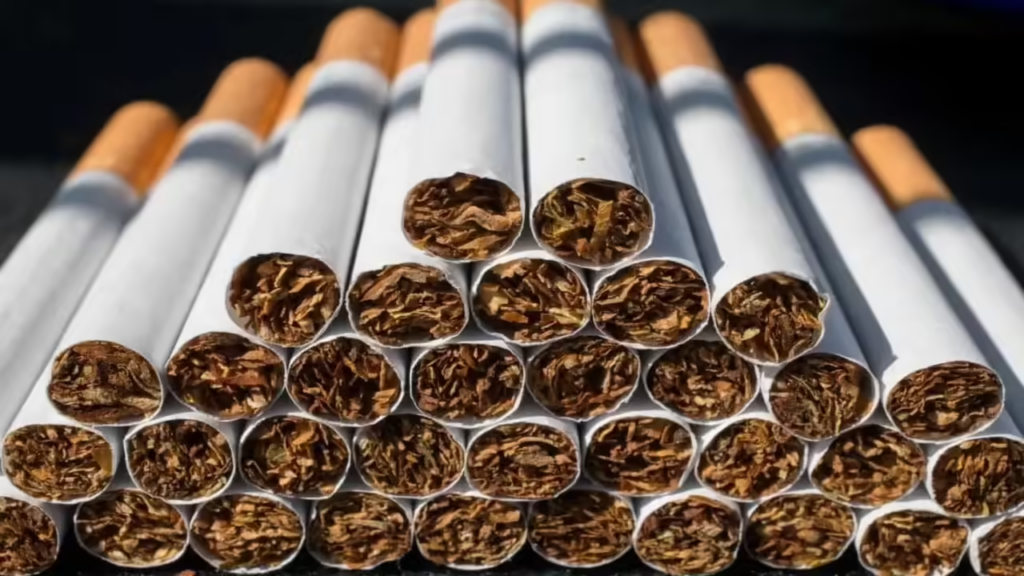
Starting February 1, 2026, India’s GST structure for sin goods — like tobacco, cigarettes, and pan masala — will change significantly. The government has introduced higher GST slabs and additional levies aimed at reducing harmful consumption while boosting public revenue. This post breaks down what’s new, how it impacts prices, and why consumers and businesses should pay attention.
(Based on official announcements and Times of India reporting.)
Sin Goods GST (Effective Feb 1 2026)
| Product | Old Tax Structure | New Tax Structure (From Feb 1) | Impact |
|---|---|---|---|
| Cigarettes | GST 28% + Compensation Cess | GST 40% + Additional Excise Duty | Higher retail prices expected. |
| Pan Masala (with/without tobacco) | GST 28% + Comp. Cess | GST 40% + Health/National Security Cess | Makes products more expensive. |
| Chewing Tobacco & Others | GST 28% + Comp. Cess | GST 40% + Additional Excise Duty | Steeper tax burden for producers. |
| Biri Products | GST 28% + Cess | GST 18% | Lower than others due to category rules. |
This overhaul replaces the compensation cess previously applied to sin goods and introduces a higher GST rate (40%) plus additional levies, making these products significantly costlier.
🔍 Why the Changes Matter
💡 1. Public Health Goal
Tobacco and related products are linked to chronic diseases and high healthcare costs. Higher taxes make them less affordable and aim to discourage consumption over time, aligning with global health objectives like those of the World Health Organization (WHO).
💰 2. Revenue for Government
By raising GST and excise duties, the government expects to boost fiscal collections, which can fund health and social welfare programs. Sin taxes have traditionally helped finance public health priorities in many countries.
📈 3. Market & Consumer Impact
- Retail Prices: Brands will likely pass on taxes to consumers, leading to higher prices at the counter.
- Business Adjustments: Retailers and wholesalers need to update pricing and compliance systems ahead of the Feb 1 rollout.
- Stock Movements: Tobacco industry stocks experienced volatility following the announcement.
❓ FAQs (Quick, Clear Answers)
Q1. Will all tobacco products now attract 40% GST in India?
Q2. Why is the government hiking sin goods taxes?
The hike is meant to discourage harmful consumption and boost revenue for health and welfare initiatives, consistent with global sin tax strategies.