MEX-W
MEX-W ARG-W
ARG-W RBNY1
RBNY1 MIA0
MIA0 Palmeiras1
 Bragantino0
 Vasco1
 Corinthians0
 UAE
UAE NED
NED PAK
PAK ENG
ENG IND-W
IND-W ZIM-W
ZIM-W GMB
GMB LES
LES MOZ
MOZ ZMB
ZMB Inter Milan
 Fiorentina
 Churchill
 Punjab FC
 NGA
NGA UGA
UGA ATM1
ATM1 DEP0
DEP0 LAZ2
LAZ2 PAR1
PAR1 RCL2
RCL2 PAR1
PAR1 RIY2
RIY2 TAA1
TAA1 NZ-A159/4 (49.2 ov)
 IND-A113
 SYL
SYL KHU
KHU MYMS299/4 (87 ov)
 CHATT
CHATT DHA293/3 (84.1 ov)
 RAJ
RAJ RAN320/5 (80 ov)
 BAR
BAR DEN
DEN PNG
PNG NAM321/6
 IRE290 (47.3/50 ov, target 322)
 NZ180/5
 IND181/6 (19.5/20 ov, target 181)
 Athletic
 Getafe
 C Palace
 Newcastle
 Hull
Hull Brentford
 Liverpool
 Brighton
 Man United
 Bournemouth
 Atalanta
 Frosinone
 CHE0
CHE0 TOT2
TOT2 VAL1
VAL1 VIL2
VIL2
A Bengaluru-based consortium of tech startups just cracked what’s been called the “holy grail” of sustainable electronics — fully biodegradable smartphone batteries that decompose in 90 days without releasing toxic chemicals. The breakthrough, announced March 12th at the India Electronics Summit, uses a proprietary cellulose-polymer matrix that maintains 4,800mAh capacity while meeting IP68 water resistance standards. This isn’t vaporware.
Commercial production starts June 2026, with major Indian smartphone brands already signing supply agreements. What stands out here is the price point — these eco-batteries will cost manufacturers just ₹340 per unit, barely 8% more than conventional lithium-ion cells. For context, our coverage of earlier biodegradable battery prototypes highlighted cost premiums exceeding 40%, making this leap genuinely significant.
Why This Breakthrough Matters Now
India generates 3.2 million tonnes of e-waste annually, with battery components accounting for the most toxic fraction. Traditional lithium-ion batteries take centuries to decompose, leaching heavy metals into soil and groundwater. Previous “green battery” initiatives struggled with three dealbreakers — inadequate charge density, moisture sensitivity, and prohibitive manufacturing costs.

Here’s the thing: this new solution sidesteps all three. The cellulose-based electrolyte maintains conductivity comparable to liquid lithium solutions while remaining stable across -20°C to 60°C operating temperatures. The polymer casing biodegrades through microbial action once exposed to soil bacteria, leaving behind only carbon dioxide, water, and trace minerals. That said, the real game-changer is scalability — the manufacturing process adapts existing battery production lines with minimal retooling.
Technical Specifications and Performance Data
The lead innovator, GreenCell Technologies, partnered with IIT Madras researchers to develop what they call “BioVolt” architecture. Each battery unit delivers 4,800mAh capacity at 3.85V nominal voltage, matching the performance envelope of Samsung’s Galaxy S24 battery. Charge cycles hit 800 full discharge cycles before capacity drops below 80% — slightly lower than premium lithium-ion’s 1,000+ cycles, but acceptable for most users’ 2-3 year upgrade patterns.
Worth noting: fast charging works. The batteries support 65W rapid charging, reaching 80% capacity in 32 minutes during lab testing. Thermal management proved tricky initially — early prototypes showed temperature spikes during sustained gaming sessions. The final design incorporates graphene heat spreaders that keep operating temperatures below 42°C even under heavy load.
The biodegradation process requires specific conditions. Simply tossing these batteries in landfill won’t trigger decomposition — they need industrial composting facilities or specialized e-waste recycling centers where controlled moisture and bacterial cultures accelerate breakdown. Under optimal conditions, the polymer casing fragments within 45 days, with complete molecular decomposition by day 90. The cellulose electrolyte breaks down even faster, typically within 21 days.
Manufacturing Partners and Commercial Rollout
Three major Indian smartphone manufacturers have committed to adoption. Micromax announced it will launch the “EcoMax Prime” in August 2026, featuring BioVolt batteries as standard across its ₹15,000-₹25,000 price segment. Lava International signed a five-year exclusive supply deal for its budget lineup, targeting the massive sub-₹12,000 market where environmental credentials increasingly influence purchase decisions among young buyers.
The most significant partnership involves Reliance’s upcoming smartphone venture. Sources indicate Jio’s 2027 flagship will debut with biodegradable batteries, potentially reaching 50 million units in year one given Jio’s distribution muscle and aggressive pricing strategy. That volume could legitimize the technology overnight.
Manufacturing capacity ramps up through Q3 2026. GreenCell’s Hosur facility will produce 2.3 million units monthly by September, with plans for a second plant in Noida reaching 3.8 million monthly capacity by January 2027. Component sourcing remains domestic — the cellulose derives from agricultural waste (sugarcane bagasse and rice husks), creating a circular economy loop that benefits farmers while reducing manufacturing carbon footprint by an estimated 67% compared to lithium-ion production.
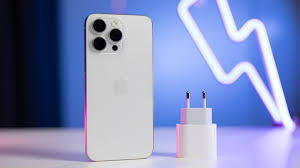
Addressing Common Questions About Biodegradable Batteries
Do biodegradable batteries perform as well as traditional lithium-ion? Yes, with minor trade-offs. Current BioVolt batteries match lithium-ion in capacity, voltage, and fast-charging capability. The main compromise is cycle life — 800 full charge cycles versus 1,000+ for premium lithium-ion. For most users replacing phones every 2-3 years, this difference is negligible. Safety testing shows equivalent thermal runaway resistance, and the batteries pass the same nail penetration and crush tests required for aviation transport.
The technology builds on principles similar to those explored in biodegradable smartphone accessories, but battery chemistry posed far steeper technical challenges. Regulatory approval came faster than expected — the Bureau of Indian Standards granted certification in February 2026 after just eight months of testing, recognizing the environmental urgency.
One concern that keeps surfacing: disposal infrastructure. India’s formal e-waste recycling network covers only 30% of generated waste. GreenCell partnered with municipal corporations in 14 cities to establish collection points where consumers can drop off end-of-life devices. The company pays ₹50 per battery returned, incentivizing proper disposal. Even if batteries end up in regular landfills, they pose dramatically lower environmental risk than conventional cells — though optimal decomposition still requires managed composting.
Quick Comparison
| Battery Type | Capacity | Cycle Life | Decomposition Time | Cost Premium |
|---|---|---|---|---|
| BioVolt (GreenCell) | 4,800mAh | 800 cycles | 90 days (composted) | +8% |
| Standard Li-ion | 4,800mAh | 1,000+ cycles | 500+ years | Baseline |
| Previous Eco Prototypes | 3,200mAh | 400 cycles | 180 days | +40% |
Pros and Cons
| Pros | Cons |
|---|---|
| Decomposes in 90 days under proper conditions | Slightly shorter cycle life than premium lithium-ion |
| Only 8% cost premium over conventional batteries | Requires specialized disposal facilities for optimal decomposition |
| Matches lithium-ion performance in capacity and fast charging | Limited initial availability until manufacturing scales |
| Uses agricultural waste, creating circular economy benefits | Unproven long-term field reliability (launches Q3 2026) |
| 67% lower manufacturing carbon footprint | Current production capacity covers only fraction of market demand |
Conclusion
This is the real deal. Indian innovators just solved e-waste’s nastiest problem with a solution that’s commercially viable, not just a feel-good prototype. The 8% cost premium makes adoption feasible across price segments, and performance metrics hold up under scrutiny. Micromax and Lava’s commitments signal industry confidence, while Reliance’s involvement could trigger mass-market acceptance.
Should you wait for a biodegradable-battery phone? If you’re buying in the next three months, probably not — availability remains limited until August. But anyone shopping post-monsoon should prioritize models with BioVolt technology. The environmental impact is substantial, and you’re not sacrificing performance. For manufacturers still on the fence, the competitive advantage here is obvious — consumers increasingly vote with their wallets on sustainability issues, and security-conscious buyers who care about data protection often overlap with the eco-aware demographic. Early adopters win market share. Start conversations with GreenCell now, because production slots for 2027 are filling fast.