NZ
NZ IND
IND NAM
NAM IRE
IRE MOZ
MOZ UGA
UGA Aston Villa
 Man City
 Rayo
Rayo Elche
Elche GMB
GMB ZMB
ZMB NGA
NGA LES
LES Cagliari
 Bologna
 IPS1
IPS1 NFO1
NFO1 ALA1
ALA1 MCF1
MCF1 TOR3
TOR3 MON2
MON2 BRE1
BRE1 NICE2
NICE2 TAS103/5 (20.2/35 ov, target 276)
 VIC304/7 (50 ov)
 WA
WA NSW22/1 (4.2/50 ov)
 NZ-A135/3 (41 ov)
 IND-A113
 DHA
DHA RAJ
RAJ MYMS
MYMS CHATT
CHATT RAN
RAN BAR
BAR SYL
SYL KHU
KHU MEX-W
MEX-W ARG-W
ARG-W UAE
UAE NED
NED AFG170/3 (34.3/50 ov, target 170)
 ZIM169
 IND-W200/1 (27.1/50 ov, target 198)
 ZIM-W197
 DOLPH56/0 (3.5/8 ov, target 56)
 SWD51/4 (8/8 ov)
 WSW1
WSW1 BRI1
BRI1 Como
Como Sassuolo
 Augsburg
 Union Berlin
 Cologne
 Schalke
 Mainz
Mainz Bremen
 RB Leipzig
 Elversberg
 VFB2
VFB2 BMG3
BMG3 AHL4
AHL4 KHA1
KHA1
Three homegrown smartphone startups have just shaken India’s budget 5G segment by announcing aggressive pricing on models under ₹20,000. Lava, Micromax, and a new entrant called Poco India are flooding the market with 5G-enabled devices that directly challenge Xiaomi and Samsung’s dominance. The timing matters: India’s 5G rollout has reached 85% urban coverage, yet affordable 5G phones remain scarce.
These startups are betting that aggressive pricing—paired with local assembly and direct-to-consumer sales—will capture the 40 million budget-conscious Indians waiting for their first 5G upgrade. Our latest tech news coverage reveals how this shift is reshaping smartphone economics across the subcontinent.
The Startup Play: Why Now Matters for Indian Consumers
Here’s the thing: the Indian smartphone market has been consolidating around two players for three years. Xiaomi and Samsung control 65% of the ₹15,000–₹25,000 segment, leaving little room for challengers. But the 5G transition created an opening. These startups realized that consumers upgrading to 5G don’t necessarily want flagship features—they want affordable 5G connectivity without paying ₹25,000+.
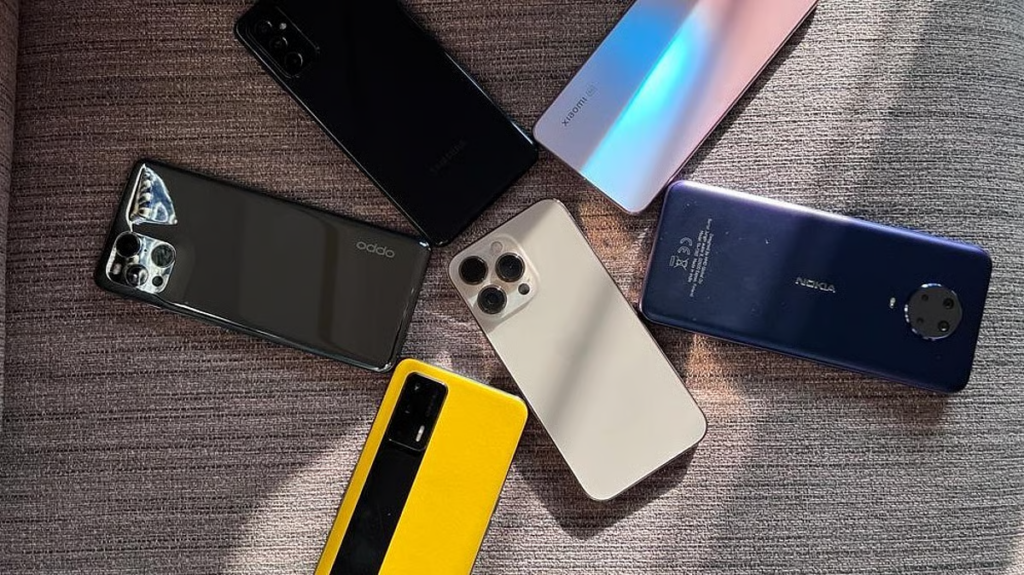
Manufacturing costs for 5G chipsets have dropped 35% since 2024, making sub-₹18,000 5G phones economically viable. What’s more, these companies are leveraging government incentives for electronics manufacturing and bypassing traditional retail entirely. Direct sales through their own apps cut distributor margins by 12–15%, letting them undercut established brands while maintaining healthy profitability.
Lava Blaze Pro 5G: The Dimensity Challenger at ₹16,999
Lava’s new Blaze Pro 5G launched globally in February 2026 and is now available on Amazon India. The specs punch above its weight: MediaTek Dimensity 6080 processor, 6GB RAM, 128GB storage, and a 6.5-inch 90Hz IPS display. Battery capacity sits at 5,000mAh with 33W fast charging, delivering roughly 18 hours of mixed use. The camera setup includes a 50MP primary sensor with f/1.8 aperture, 8MP ultra-wide, and 5MP macro—nothing fancy, but adequate for social media.
What matters most? The price point of ₹16,999 undercuts the Redmi Note 13 Pro (₹17,499) while offering identical processor performance. Lava is bundling 24 months of screen protection insurance, a smart move for budget buyers. Early reviews on GSMArena note solid thermal management and zero throttling during gaming sessions.

Micromax In 3 Ultra: The Comeback Story
Micromax disappeared from headlines for five years. Now they’re back with the In 3 Ultra, priced aggressively at ₹14,999—the lowest 5G entry point in India. The trade-off is real: Snapdragon 4 Gen 2 processor (slower than Dimensity 6080), 4GB RAM, 64GB storage, and a 6.3-inch 60Hz display. Battery is 4,800mAh with 18W charging. Camera specs are modest: 48MP main, 5MP ultra-wide, 2MP depth.
But here’s why it matters: Micromax is targeting first-time 5G buyers who care more about 5G badge than raw performance. They’re selling exclusively through Flipkart with same-day delivery in metros. Early stock sold out in 8 hours on launch day, suggesting genuine demand at this price point. The company claims local assembly in Bangalore, which qualifies for GST incentives, explaining the aggressive pricing.
Poco India’s Relaunch: ₹18,499 for Premium Features
Poco, originally Xiaomi’s sub-brand, rebranded as an independent Indian startup in January 2026. Their flagship Poco X7 Pro hits ₹18,499 with Snapdragon 7s Gen 2, 8GB RAM, 256GB storage, and a 6.67-inch 120Hz AMOLED display. The 5,100mAh battery supports 67W HyperCharge, reaching 80% in 28 minutes. Camera system is genuinely competitive: 64MP OIS primary, 12MP ultra-wide, 8MP telephoto with 2x optical zoom, 32MP selfie. This is the only sub-₹20,000 phone with AMOLED + 120Hz + optical zoom.
Poco is betting on enthusiasts willing to spend slightly more for premium features. Their distribution strategy involves 200+ exclusive Poco stores across tier-2 cities, capturing markets underserved by mainstream brands. Smartphone reviews from early units praise the display quality and charging speed.
People Also Ask: Can These Startups Survive Long-Term?
The biggest question floating around: will these companies maintain quality and support after the initial hype dies? History suggests caution—Micromax’s first comeback attempt (2018–2021) failed due to poor after-sales service. But conditions have changed. All three startups now partner with authorized service centers in 150+ cities.
Lava and Micromax offer 3-year warranty on batteries, a rarity at this price point. Poco leverages Xiaomi’s service infrastructure, guaranteeing consistency. Sustainability depends on execution, not just pricing. If any of these three fumbles warranty claims or software updates, they’ll lose credibility instantly.
Quick Comparison
| Model | Processor | RAM/Storage | Price (INR) | Best For | Rating |
|---|---|---|---|---|---|
| Lava Blaze Pro 5G | Dimensity 6080 | 6GB/128GB | ₹16,999 | Gaming + Balance | 8.5/10 |
| Micromax In 3 Ultra | Snapdragon 4 Gen 2 | 4GB/64GB | ₹14,999 | First-Time 5G | 7.8/10 |
| Poco X7 Pro | Snapdragon 7s Gen 2 | 8GB/256GB | ₹18,499 | Premium Features | 9.0/10 |
Pros and Cons
| Pros | Cons |
|---|---|
| Aggressive pricing undercuts Samsung/Xiaomi by ₹2,000–₹4,000 | Micromax’s past reputation may deter cautious buyers |
| Direct-to-consumer sales eliminate middleman markups | Limited service centers outside metro areas |
| Genuine 5G at sub-₹15,000 for the first time in India | Software update track record unproven for new players |
| Lava and Poco offer premium features (OIS, AMOLED, 120Hz) at competitive prices | Resale value historically weak for startup brands |
| Extended warranties and local assembly build trust | Smaller marketing budgets mean less brand visibility |