NAM316/7
 IRE253 (44.5/50 ov, target 317)
 SA262/6 (65.1 ov)
 AUS
AUS ABH0
ABH0 ALF1
ALF1 AFG5/0 (0.5/20 ov)
 ZIM
ZIM SAS
SAS LAZ
LAZ ROMA
ROMA CAG
CAG TOR
TOR COMO
COMO BAN
BAN WI
WI IND-W
IND-W ZIM-W
ZIM-W GOA
GOA SC Delhi
 Milan
Milan Bologna
 Parma
Parma Udinese
 PAK110
 SL114/2 (18.1/50 ov, target 111)
 NZ198/3
 IND199/4 (13.2 ov)
 NED371/5
 OMA265 (49.3/50 ov, target 372)
 Sevilla2
 Osasuna0
 JER
JER KUW
KUW JAB94/7 (15.1/20 ov, target 133)
 KAY132/9
 SIKM184
 NAGA187 & 46/4 (34 ov)
 JHK131/4 (47 ov)
 DELHI515/5d
 ODSA194
 SVCS13/0 (5 ov)
 BRODA616
 J & K6/0 (4 ov)
 CHD685/5d
 HP49/0 (14 ov)
 CGR216/8 (95 ov)
 AP231
AP231 HYD193/2 (54 ov)
 PNJB431
 AUCK
AUCK CANT
CANT CD
CD ND
ND DEN
DEN QAT
QAT KENYA
KENYA POA
POA SPR
SPR BRB
BRB VAG
VAG PNG155
 BIK149 (19.3/20 ov, target 158)
 CHR157/3
 MIS147
 Venezia
 Inter Milan
 Genoa
Genoa Juventus
 PSG2
PSG2 Lyon0
Lyon0 Mohun Bagan1
 Chennaiyin0
 BEI2
BEI2 JHM2
JHM2 RCH0
RCH0 KRE0
KRE0 DHC0
DHC0 VIS1
VIS1
Indian smartphone shipments saw a major shift in 2026, with local manufacturers stepping up to challenge the long-held dominance of international brands.
The Indian government’s Production Linked Incentive (PLI) scheme for mobile phones, launched back in 2020, set aside around ₹12,195 crore to boost domestic manufacturing. This funding has laid the groundwork for the recent surge in local production.
While we’re still waiting on specific Q1 2026 shipment numbers and detailed market shares for individual domestic players, the overall trend suggests a more competitive environment. The rise of Indian smartphones is central to understanding how this narrative is evolving.
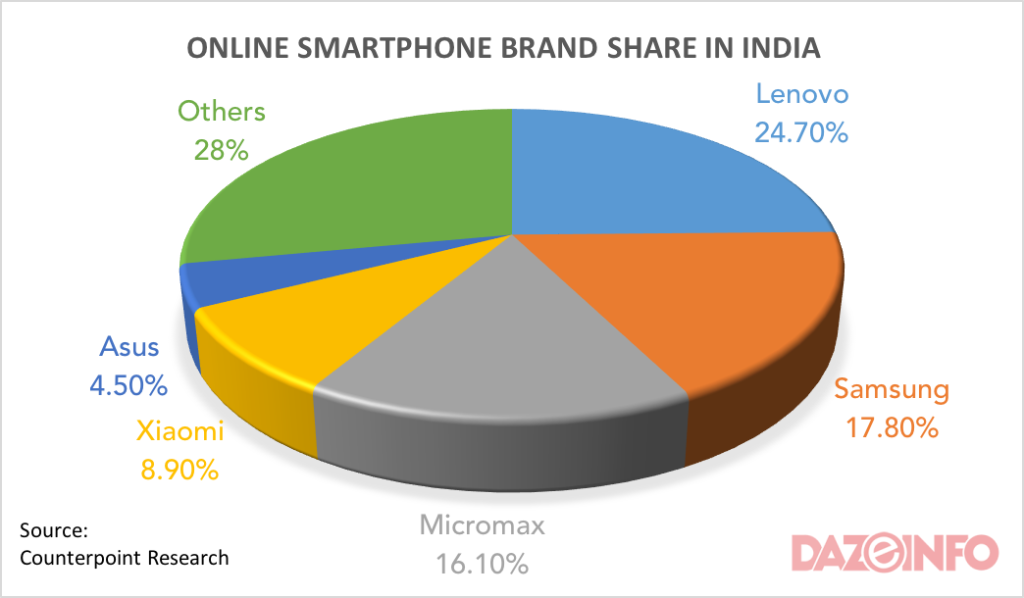
Domestic Players and Global Giants in the Indian Market
Lava International, established in 2009 and based in Noida, Uttar Pradesh, stands out as one of the most active local smartphone makers in 2026. Along with Micromax and Karbonn, they’re making strides to regain ground in the budget and mid-range segments. The role of Indian smartphones is crucial here.
This revival comes as India cements its position as the world’s second-largest smartphone market by volume, a milestone confirmed by various analyst reports by 2023.
The manufacturing ecosystem has evolved quickly, moving from simple assembly to intricate production processes. For example, Samsung runs one of the largest mobile manufacturing plants globally in Noida, inaugurated in July 2018, with an impressive capacity of around 120 million units each year.
At the same time, Apple has made significant inroads, starting with assembly operations through Foxconn’s Tamil Nadu facility and Wistron’s Karnataka facility. This effort has led to Indian iPhone exports exceeding $6 billion in the fiscal year 2023-24.
| Manufacturer | Primary Facility Location | Operational Focus |
|---|---|---|
| Samsung | Noida, Uttar Pradesh | Mass-scale production (120M units/year) |
| Lava International | Noida, Uttar Pradesh | Domestic R&D and manufacturing |
| Foxconn | Tamil Nadu | Global iPhone assembly |
Policy Impact and Future Market Trajectory
Here’s the thing: there’s a powerful alignment between government funding and private sector investment. By emphasizing the PLI scheme, the government has encouraged companies to establish robust supply chains instead of depending on imports. (Source: TechCrunch)
This is especially vital for local firms, as they compete on price and reliability against established Chinese brands that have dominated the volume segment.
This transition is key because it shows a maturing market where growth isn’t just about quantity anymore; it’s also about adding value. The necessary infrastructure now supports high-end manufacturing, creating benefits across related industries.
As these brands grow, they’ll face the challenge of maintaining profit margins while dealing with global supply chain uncertainties.
Still, the competition is fierce. Local brands enjoy the advantage of market knowledge and government support, but they need to show they can keep up with innovation cycles that match those of global contenders. (Source: The Verge)
The coming year will be critical in figuring out if these local players can grab a significant market share or if they’ll remain niche players in a space heavily influenced by global giants.
FAQs
How does the PLI scheme assist domestic smartphone makers?
The PLI scheme offers financial incentives based on the incremental sales of goods manufactured in India, lowering production costs and encouraging local supply chain development.
Is India currently the largest smartphone market in the world?
No, India is the world’s second-largest smartphone market by volume, a position it reached by 2023 after surpassing the United States.
What is the annual production capacity of the Samsung Noida facility?
The Samsung plant in Noida, which opened in 2018, has an estimated annual production capacity of around 120 million units.
How are local Indian brands increasing their market share in 2026?
Local Indian brands are gaining market share by taking advantage of the Production Linked Incentive (PLI) scheme, which helps them cut production costs and offer competitive pricing against international rivals.
What impact does the PLI scheme have on the Indian smartphone industry?
The PLI scheme promotes domestic production by providing financial rewards for incremental sales, motivating Indian manufacturers to scale up operations and enhance the local supply chain for smartphone components.