MEX-W
 ARG-W
 ARS2
 EVE0
 COV0
 FUL1
 OFC0
 NEU0
 NEOM2
 ABH0
 RAC0
 ESP1
 KHO0
 ETT0
 BLK2
 WXM0
 NAP
 ROMA
 CHE
 TOT
 VAL
 VIL
 DOR
 SGE
 RIY
 TAA
 LAZ
 PAR
 RCL
 PAR
 FCA1
 FCU1
 KOE0
 S040
 M052
 SVW3
 RBL4
 ELV0
 SWD-W
 EPR-W
 TTN-W
 WPR-W
 KNGHT45/0 (6/20 ov)
 MPUMA
 NZ-A135/3 (41 ov)
 IND-A113
 SYL
 KHU
 MYMS299/4 (87 ov)
 CHATT
 DHA293/3 (84.1 ov)
 RAJ
 RAN320/5 (80 ov)
 BAR
 UAE
 NED
 PAK
 ENG
 IND-W
 ZIM-W
 GMB
 LES
 MOZ
 ZMB
 NGA
 UGA
 NAM321/6
 IRE290 (47.3/50 ov, target 322)
 NZ180/5
 IND181/6 (19.5 ov)
 CAR1
 BIR0
 LCN4
 BUR1
 PNE1
 WBA1
 QPR4
 SWA0
 STK0
 BRC0
 ATM
 DEP
 SCP1
 HSV0
 CAG0
 BOL2

On June 2, 2026, the Indian Semiconductor Mission (ISM) gained momentum as reports emerged regarding a potential major global foundry investment. This development strengthens the nation’s push to become a cornerstone of the global electronics supply chain.
While official details remain under wraps, the potential entry of a new global foundry partner marks a significant escalation from the initial foundations laid during the mission’s inception in December 2021 under the Ministry of Electronics and Information Technology (MeitY).
This development follows a series of strategic wins for the ISM, most notably the June 2023 announcement of a semiconductor assembly and test facility by Micron Technology in Sanand, Gujarat. That project, which saw an investment of approximately $2.75 billion with $800 million in government incentives, set a high bar for subsequent manufacturing partnerships.
However, the current news regarding a new global foundry represents a shift toward more complex fabrication capabilities. These are essential for meeting the government’s ambitious goal of building a self-reliant domestic ecosystem by 2030.
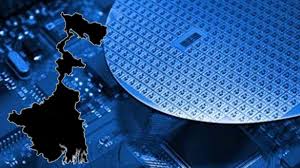
Strategic Incentives and Industrial Impact
The Indian government initially allocated ₹76,000 crore, or approximately $10 billion USD, as the core incentive package to attract heavyweights in semiconductor and display manufacturing. This fiscal backing has been the primary lever for securing high-value projects, such as the Tata Electronics fabrication plant in Dholera, Gujarat, and the collaborative OSAT facility established by CG Power and Renesas Electronics in Sanand.
| Project Type | Partner/Company | Location | Status |
|---|---|---|---|
| Assembly & Test | Micron Technology | Sanand, Gujarat | Operational/Ongoing |
| Fabrication | Tata Electronics | Dholera, Gujarat | Approved |
| OSAT | CG Power / Renesas | Sanand, Gujarat | Approved |
| Global Foundry | [UNCONFIRMED] | [TBD] | Speculative |
The new investment will integrate with existing Indian startups’ global ambitions in hardware design and testing. By providing a domestic foundry, the government is effectively removing the logistical barriers that have historically forced local firms to rely on overseas manufacturing hubs.
If the rumored foundry deal proceeds, it would provide a massive boost to the Indian quantum global research initiatives that require specialized silicon components for next-generation computing architectures.
Challenges and Future Outlook
Despite the excitement, critics point to the complexity of building a semiconductor ecosystem from the ground up, noting the need for highly skilled labor and stable utility infrastructure. Not everyone agrees that the current pace is sustainable, citing the immense energy requirements of modern fabrication plants as a potential hurdle, according to recent coverage by TechCrunch.
But the government’s commitment to providing long-term fiscal support suggests that the Indian startups’ global sector is poised to benefit from a more localized, reliable supply chain, effectively insulating them from international market volatility.
Moving forward, the focus will likely shift from securing initial agreements to the successful operationalization of these massive facilities. Industry watchers will be monitoring the upcoming ministerial briefings for concrete details on the new foundry’s capacity and technological nodes, according to recent coverage by The Verge.
If finalized, this investment will serve as the final piece of the puzzle, potentially transforming India into a premier destination for global semiconductor production before the end of the decade.
FAQs
What is the primary goal of the Indian Semiconductor Mission?
The mission aims to create a comprehensive domestic ecosystem for semiconductor and display manufacturing to reduce import dependency and establish India as a global electronics hub by 2030.
How much has the government allocated for semiconductor incentives?
The government initially committed ₹76,000 crore (approximately $10 billion USD) to incentivize manufacturers to set up plants within India.
Is the new global foundry investment officially confirmed?
No. As of June 2, 2026, there is no verified partner name, exact investment figure, or official announcement regarding the specific “major global foundry” mentioned in recent reports.
Which global companies are currently involved in the Indian Semiconductor Mission?
The Indian Semiconductor Mission has successfully attracted major industry players, including Micron Technology and Tata Electronics, which are establishing significant manufacturing facilities within Gujarat.
What impact does the Indian Semiconductor Mission have on the national economy?
The Indian Semiconductor Mission serves as a catalyst for economic growth by securing billions of dollars in foreign investment, fostering domestic technological self-reliance, and positioning India as a critical hub in the global electronics supply chain.