Indian Railways unveiled ambitious expansion plans for its Vande Bharat fleet, targeting 800 trainsets by 2030 and scaling to approximately 4,500 trainsets by 2047, positioning indigenous rail technology as a cornerstone of national infrastructure modernization.
Table of Contents

Indigenous Manufacturing Drives Rail Revolution
The semi-high-speed trains represent India’s first indigenously designed and manufactured trainsets, developed to strengthen inter-city rail services through modern technology, improved passenger comfort, and reduced journey times. Currently, 164 Vande Bharat services operate across 274 districts, having transported over 7.5 crore passengers since commercial inauguration in February 2019.
Vande Bharat Fleet Expansion Timeline
| Milestone | Target | Status |
|---|---|---|
| Current Operations | 164 services | Operational across 274 districts |
| 2030 Target | 800 trainsets | Subject to infrastructure readiness |
| 2047 Vision | 4,500 trainsets | Aligned with Viksit Bharat goals |
| Localization | 90% indigenous | Make in India initiative |
Manufacturing Ecosystem Takes Shape
The trainsets are manufactured at Integral Coach Factory with approximately 90% localization, aligning with the Make in India initiative. Private manufacturers including Titagarh Rail Systems and BHEL are supporting domestic production capacity, with BHEL securing a ₹9,600 crore order for 80 sleeper-class trainsets.
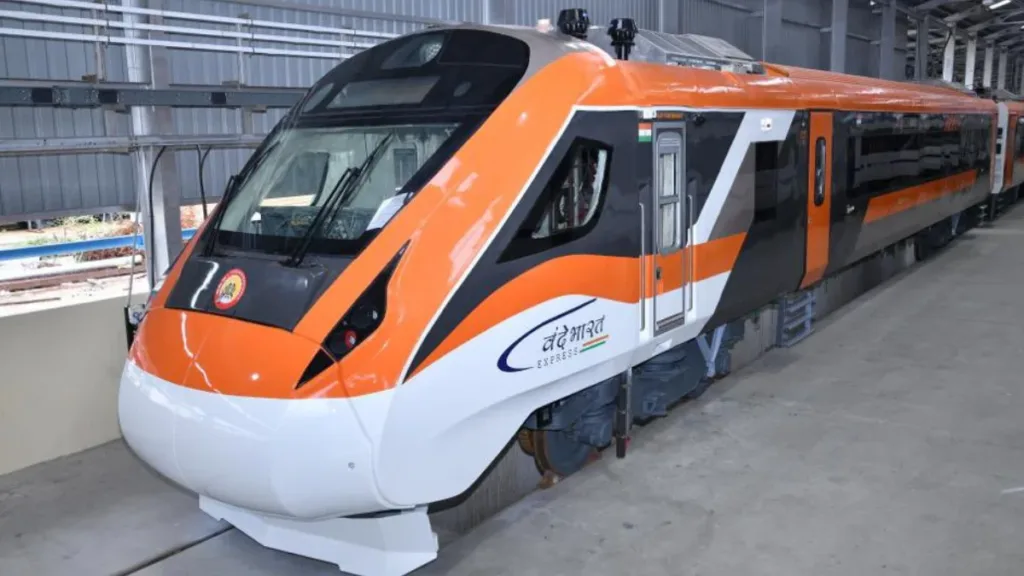
The trains achieve maximum speeds of 160 kmph and incorporate regenerative braking systems for energy efficiency. Indian Railways introduced the sleeper variant in January 2026, expanding overnight travel options with 16 air-conditioned coaches featuring modern passenger amenities.
Economic Impact Beyond Railways
The program creates ripple effects across manufacturing, steel, electronics and energy sectors while positioning India as a potential exporter of rail technology to Asian and African markets. Companies like Rail Vikas Nigam Limited hold ₹85,000 crore in projects, including ₹9,000 crore directly supporting Vande Bharat infrastructure.
The expansion strategy targets replacing existing Shatabdi and Rajdhani Express trains with self-propelled trainsets featuring automatic plug doors, GPS-based passenger information, onboard infotainment, and bio-vacuum toilets. Divyangjan-friendly facilities ensure inclusive accessibility across the fleet.
Infrastructure Readiness Critical
The 2030 target of 800 trainsets depends heavily on infrastructure readiness and manufacturing capacity scaling. Future Vande Bharat 4.0 iterations are planned with enhanced performance, next-generation KAVACH safety systems, and potential deployment on dedicated high-speed corridors as India’s rail network modernization accelerates.
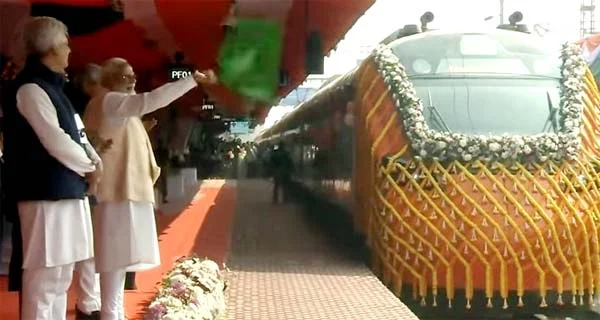
With the first Vande Bharat Sleeper service launching on the Howrah-Guwahati route, Indian Railways demonstrates its commitment to transforming both inter-city and overnight rail travel through indigenous innovation and technology leadership.
FAQs
How many Vande Bharat trains currently operate in India?
As of January 2026, 164 Vande Bharat services operate across 274 districts, having carried over 7.5 crore passengers.
What is the maximum operational speed of Vande Bharat trains?
Vande Bharat trains operate at a maximum speed of 160 kmph with regenerative braking for energy efficiency.