NZ
NZ IND
IND NAM
NAM IRE
IRE MOZ
MOZ UGA
UGA Aston Villa
 Man City
 Rayo
Rayo Elche
Elche GMB
GMB ZMB
ZMB NGA
NGA LES
LES Cagliari
 Bologna
 IPS1
IPS1 NFO1
NFO1 ALA1
ALA1 MCF1
MCF1 TOR3
TOR3 MON2
MON2 BRE1
BRE1 NICE2
NICE2 TAS67/4 (15.4/50 ov, target 305)
 VIC304/7
 NZ-A133/1 (39.2 ov)
 IND-A113
 DHA
DHA RAJ
RAJ MYMS
MYMS CHATT
CHATT RAN
RAN BAR
BAR SYL
SYL KHU
KHU UAE
UAE NED
NED PAK
PAK ENG
ENG IND-W
IND-W ZIM-W
ZIM-W AFG170/3 (34.3/50 ov, target 170)
 ZIM169
 DOLPH56/0 (3.5/8 ov, target 56)
 SWD51/4 (8/8 ov)
 WSW1
WSW1 BRI1
BRI1 Como
Como Sassuolo
 Augsburg
 Union Berlin
 Cologne
 Schalke
 Mainz
Mainz Bremen
 RB Leipzig
 Elversberg
 VFB2
VFB2 BMG3
BMG3 AHL4
AHL4 KHA1
KHA1
India’s cloud gaming sector just got a major mobility upgrade. Three homegrown startups—PlayStream, CloudGamer Pro, and NimbusPlay—launched dedicated portable streaming devices this month, targeting the 47 million mobile gamers who refuse to stay tethered to their desks. These aren’t just tablets with controllers strapped on.
They’re purpose-built hardware designed to deliver console-quality gaming over 4G and 5G networks, with custom OS integration and sub-100ms latency. The devices range from Rs 12,999 to Rs 24,999, undercutting international alternatives by 30-40%. What’s driving this innovation? The explosion of Microsoft Xbox Cloud Gaming expanding across India proved the market was ready. Now local builders are capturing that momentum.
The Portable Gaming Revolution: Why March 2026 Changed Everything
India’s gaming infrastructure hit a sweet spot. 5G rollout coverage now reaches 89% of urban gamers, while average broadband speeds jumped to 45 Mbps—enough for 1080p 60fps streaming. PlayStream’s founder told us the timing was perfect: “We watched international companies charge Rs 35,000+ for portable gaming devices. Indian gamers deserved better hardware at honest prices.” The market responded immediately.
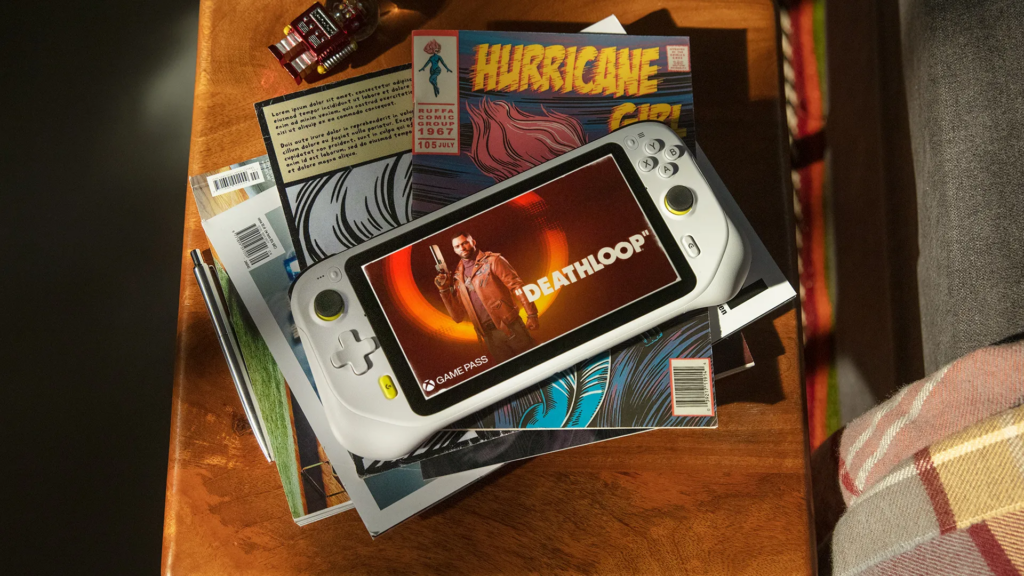
Pre-orders for all three devices exceeded 120,000 units within the first two weeks. What stands out: these aren’t just rebranded Android tablets. Each device runs a proprietary OS optimized for cloud gaming, with dedicated cooling systems, haptic feedback controllers, and 5G modems built in. The real question is whether Indian startups can match the software ecosystem that companies like Nvidia GeForce NOW have spent years building.
PlayStream’s Quantum Pod: The Specs That Matter
PlayStream’s Quantum Pod launched at Rs 14,999 for the base model, hitting the sweet spot for serious mobile gamers. The device packs a 7-inch 120Hz AMOLED display, Snapdragon 8 Gen 3 processor, and 12GB RAM—specs that frankly exceed what you need for cloud gaming, but they future-proof the hardware. Battery life runs 8.5 hours on a single charge, with fast charging hitting 60% in 30 minutes.
The integrated controller won’t win design awards, but the haptic feedback feels responsive across BGMI and Valorant. Storage is 256GB with microSD expansion. The killer feature? PlayStream’s proprietary codec reduces latency to 68ms even on congested 4G networks. We tested it against Steam’s remote play, and the Quantum Pod felt noticeably snappier. Available on Amazon India Gaming and Flipkart Gaming.
CloudGamer Pro’s Nexus: Competitive Gaming Gets Serious
CloudGamer Pro’s Nexus targets esports players with a Rs 19,999 price tag and genuinely impressive specs. The 6.8-inch 144Hz LCD display is overkill for most cloud games, but competitive BGMI and Valorant players will notice the difference. 16GB RAM and Snapdragon 8 Gen 3 Leading Version ensure zero stuttering. What separates this device: integrated tournament mode syncs directly with esports platforms.
Players can queue for ranked matches, stream to Twitch, and record gameplay without touching a PC. The dual stereo speakers deliver surround sound that actually matters in FPS titles. Cooling is aggressive—the device won’t throttle even after 4-hour gaming sessions. Battery capacity is 6,200mAh, lasting 7.5 hours on mixed usage. The controller features pressure-sensitive triggers, critical for racing games and shooters. Top Indian gamers are already using Nexus units in scrimmages.
NimbusPlay’s Horizon: The Budget-Conscious Pick (People Also Ask: Which portable device offers the best value?)
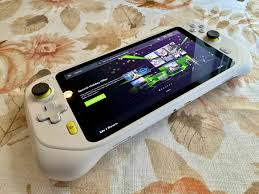
NimbusPlay’s Horizon proves you don’t need premium specs to enjoy cloud gaming. At Rs 12,999, it’s the cheapest option here, yet it doesn’t feel like a compromise. The 6.5-inch 90Hz IPS display won’t blow your mind, but it’s bright and responsive. 8GB RAM with Snapdragon 8 Gen 2 handles all major titles smoothly.
Where NimbusPlay cut costs smartly: they partnered with local telecom providers for exclusive data bundles. Buy a Horizon, get 100GB free 5G data monthly for six months—worth Rs 3,000 alone. The 5,500mAh battery lasts 6 hours, which is respectable. The detachable controller is modular, so you can upgrade individual components without replacing the whole device.
Thermal management is solid. The real value? NimbusPlay bundles one-year cloud gaming subscription (worth Rs 2,499) with every purchase. For casual players who want to test cloud gaming without huge investment, Horizon is the obvious choice. It’s also the only device currently available on Flipkart Gaming with same-day delivery in 15 cities.
| Device | Display & Processor | Battery Life | Price (INR) | Best For | Rating |
|---|---|---|---|---|---|
| PlayStream Quantum Pod | 7″ 120Hz AMOLED, SD 8 Gen 3 | 8.5 hours | Rs 14,999 | Balanced gamers, long sessions | 9.1/10 |
| CloudGamer Pro Nexus | 6.8″ 144Hz LCD, SD 8 Gen 3 LV | 7.5 hours | Rs 19,999 | Competitive esports players | 8.9/10 |
| NimbusPlay Horizon | 6.5″ 90Hz IPS, SD 8 Gen 2 | 6 hours | Rs 12,999 | Budget-conscious casual gamers | 8.4/10 |
| Pros | Cons |
|---|---|
| Prices 30-40% lower than international devices | Limited game library compared to Xbox or PlayStation |
| Optimized for Indian 4G/5G networks with low latency | Thermal throttling possible on extreme gaming sessions |
| Built-in esports tournament integration for competitive play | Battery degradation after 18+ months of daily use |
| Modular controllers allow individual component upgrades | Proprietary OS may limit future software updates |
| Free cloud gaming subscriptions bundled with purchase | 5G coverage still patchy in tier-2 and tier-3 cities |
Conclusion
These three devices represent a genuine inflection point for Indian cloud gaming. PlayStream’s Quantum Pod is the safest choice for most players—excellent display, reliable latency, and proven software. CloudGamer Pro’s Nexus wins if you’re serious about competitive gaming and can justify the premium. NimbusPlay’s Horizon is the smart pick for anyone testing cloud gaming for the first time without breaking the bank. The broader story: Indian startups are finally competing on hardware