The International Cricket Council is preparing a significant expansion of the World Test Championship format, with plans to increase participating nations from the current nine to twelve starting July 2027. An ICC working group headed by former New Zealand batter Roger Twose is expected to present formal recommendations to the ICC Board of Directors in late April or early May, proposing the inclusion of Afghanistan, Ireland, and Zimbabwe—all full ICC members currently excluded from the championship.
From Nine to Twelve Teams: A Historical Shift
The current World Test Championship features nine teams: India, Australia, England, Pakistan, South Africa, New Zealand, Sri Lanka, Bangladesh, and the West Indies. Despite Afghanistan, Ireland, and Zimbabwe being Full ICC Members with official Test status, they have been absent from the championship since its inception in 2019. The proposed expansion would fundamentally reshape the Test cricket landscape, creating a more inclusive competition that addresses long-standing concerns from smaller Full Member boards.
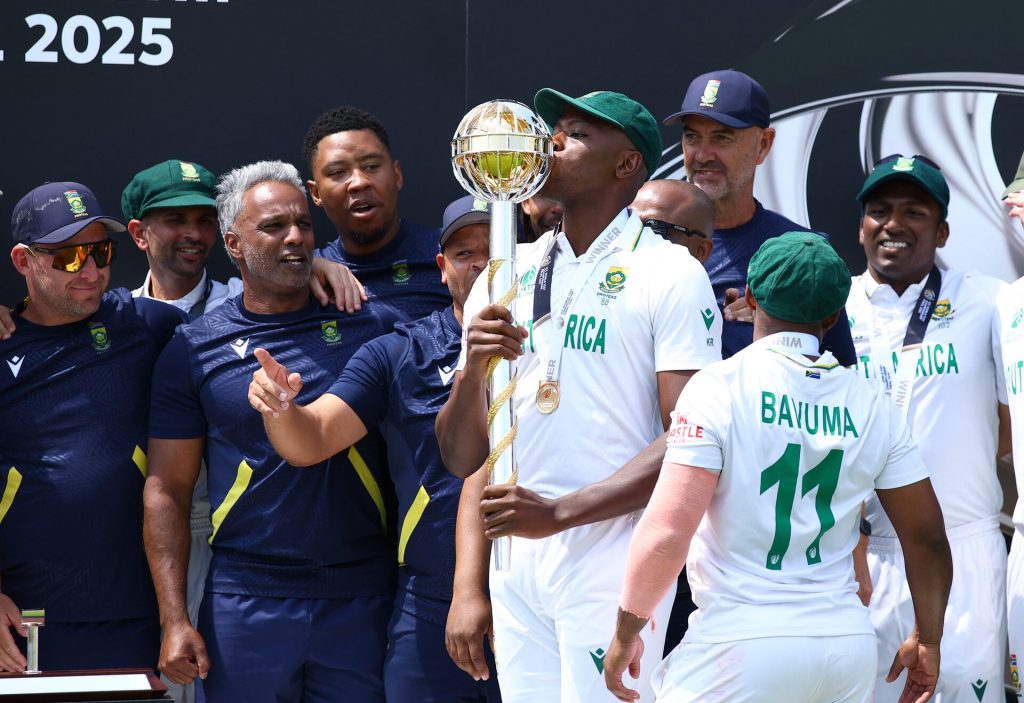
According to reports from ESPN Cricinfo and the Cricket Financial Journal, the working group has prioritized this 12-team format over a previously proposed two-division structure. The two-division model, presented in November 2025, faced significant opposition from smaller cricket boards fearful of relegation to secondary tiers with reduced visibility and financial opportunities. The 12-team unified approach addresses these concerns while maintaining a single competitive environment.
One-Off Tests: A Structural Innovation
A critical component of the proposed expansion involves allowing one-off Test series to count toward WTC points for the first time. Currently, the WTC requires bilateral series containing minimum two-Test matches to count toward standings. This restriction has created financial and scheduling challenges for developing cricket nations and even limited opportunities for some established teams.
The working group recommendation would permit single Test matches to contribute to the championship point system. This structural change would facilitate broader participation, allowing teams like Zimbabwe to schedule one-off Tests against touring parties en route to South Africa, while enabling nations like England to incorporate standalone Test fixtures into longer home series.
| World Test Championship Expansion Details | |
|---|---|
| Current Teams | 9 Full Members |
| Proposed Teams | 12 Full Members |
| New Entrants | Afghanistan, Ireland, Zimbabwe |
| Implementation Date | July 2027 |
| One-off Tests | Set to count toward WTC points |
| Previous Minimum | Two-Test bilateral series required |
| Working Group Leader | Roger Twose (former NZ batter) |
| Board Decision Timeline | Late April or early May 2026 |
Addressing Historical Exclusions
Afghanistan, Ireland, and Zimbabwe represent legitimate Full Members with established Test cricket programs, yet have been systematically excluded from Test cricket’s premier competition. Afghanistan, despite a relatively recent Test entry, has developed a competitive team. Ireland has produced Test-quality players despite limited opportunities. Zimbabwe, with decades of Test heritage, has struggled to maintain international fixtures due to scheduling and financial constraints.
The expansion directly addresses these historical inequities. By incorporating one-off Tests into the championship framework, the ICC creates pathways for these nations to compete meaningfully against established powers while generating necessary revenue and competitive experience. This approach respects Full Member status while maintaining the championship’s competitive integrity.
Strategic Implications and Commercial Considerations
The expansion carries significant strategic implications for Test cricket’s commercial ecosystem. Larger cricket nations, particularly India—identified as a key commercial driver for the sport—would benefit from flexibility in scheduling additional Tests against expanding competitors. The ICC must carefully balance the interests of established Full Members against the development needs of smaller boards.
Financial sustainability represents a critical consideration. The ICC must determine whether smaller boards like Zimbabwe, Afghanistan, and Ireland can realistically commit to two-year cycles of expanded Test commitments, both administratively and financially. The working group faces the challenge of designing a system that genuinely creates opportunity rather than merely expanding participation without supporting infrastructure.
The Two-Division Alternative
The proposed 12-team format emerged as the consensus preference following rejection of the two-division structure. This two-tier system would have separated Full Members into competing tiers, with smaller nations relegated to secondary status. Widespread opposition to this tiered approach—particularly from smaller boards fearing marginalization—convinced ICC leadership that unified expansion better served cricket’s development objectives.
The shift toward a 12-team single competition reflects a strategic commitment to inclusive growth rather than hierarchical stratification. However, the ICC must still address whether this expanded format maintains competitive balance and scheduling viability across diverse cricket nations with varying infrastructure and financial capacity.
Future Ratification and Implementation
The ICC’s quarterly board meeting, originally scheduled for Doha in March 2026, was postponed due to regional conflict affecting West Asia. While online discussions proceeded, they remained largely informal without major decisions. The formal presentation of expansion recommendations is anticipated in late April or early May 2026, with ratification potentially occurring at the ICC’s annual meeting in July 2026 in Scotland.
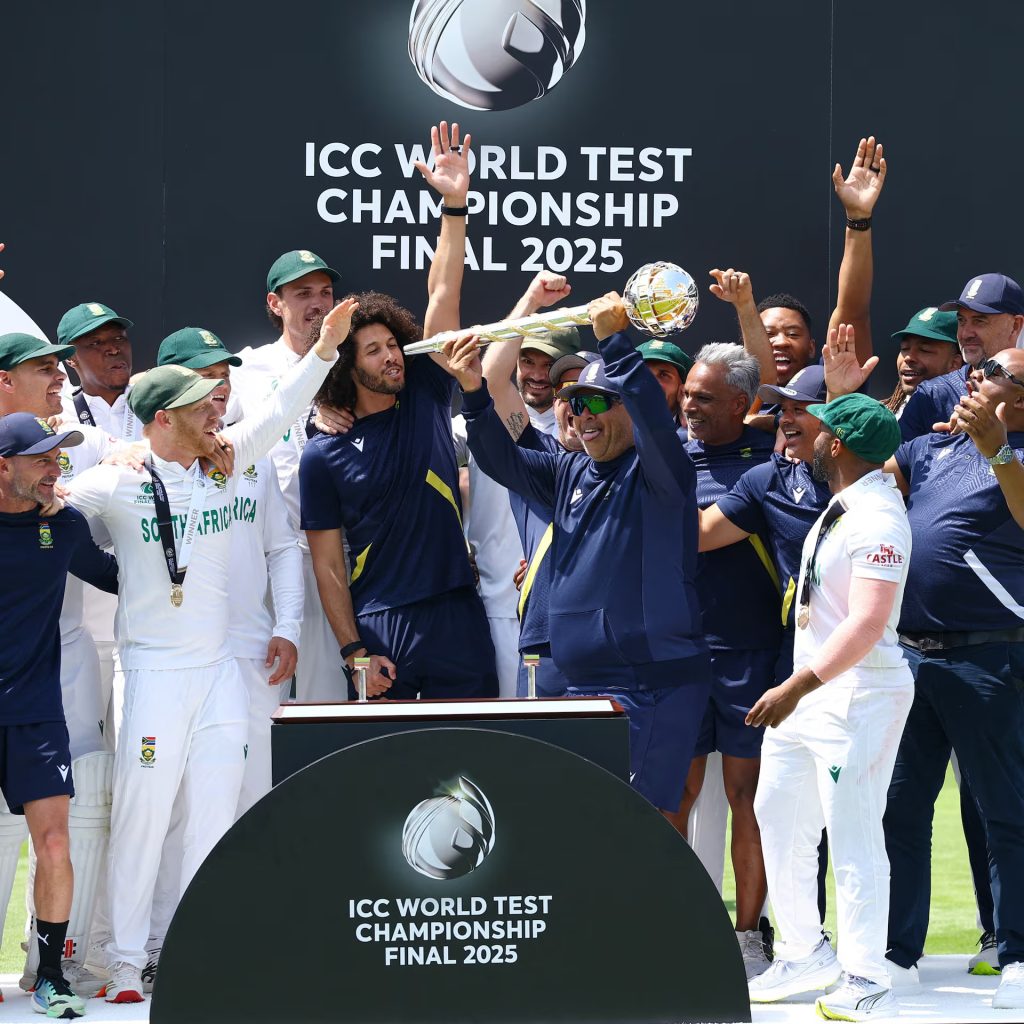
If approved as expected, the changes would take effect in July 2027, following completion of the current 2025-2027 WTC cycle. This timeline provides sufficient preparation for bilateral scheduling adjustments and structural implementation across international cricket stakeholders.
Read More: Ex-Real Madrid Winger Francisco Abalo Joins Kerala Blasters FC on Short-Term Deal