NAM321/6 (50 ov)
 IRE
 RAY
 ELC
 GMB
 ZMB
 NGA
 LES
 CAG
 BOL
 COMO
 SAS
 FCA
 FCU
 KOE
 S04
 M05
 SVW
 MOZ19
 UGA23/0 (0.5/20 ov, target 20)
 NZ180/5
 IND181/6 (19.5/20 ov, target 181)
 Ipswich1
 Nottm Forest1
 Alavés1
 Málaga1
 WA105/3 (18.5/50 ov, target 372)
 NSW371/8
 DEN
 KUW
 KENYA
 QAT
 SWD-W
 EPR-W
 TTN-W
 WPR-W
 BOR
 WAR15/1 (2.5/20 ov)
 LIONS
 Limpo21/1 (2.5/20 ov)
 NZ-A135/3 (41 ov)
 IND-A113
 DHA293/3 (84.1 ov)
 RAJ
 MYMS
 CHATT
 RAN320/5 (80 ov)
 BAR
 MEX-W
 ARG-W
 UAE
 NED
 PAK
 ENG
 IND-W
 ZIM-W
 AFG170/3 (34.3/50 ov, target 170)
 ZIM169
 RBL
 ELV
 SCP
 HSV
 Torino3
 Monza2
 Brest1
 Nice2
 Stuttgart2
 Gladbach3
 Al Ahli4
 Al Khaleej1

Warner Bros. Discovery officially confirmed that Hogwarts Legacy 2 is a top company priority during an earnings call on Thursday, August 13, 2026, with development coordination planned alongside the upcoming Harry Potter series on Max. The announcement cements Warner Bros. Games’ next major open-world bet after the first Hogwarts Legacy became a runaway success.
This isn’t just “a sequel is coming” talk. It’s a direct attempt to align a premium RPG pipeline with one of the biggest TV resets in the franchise’s history, meaning production timelines, marketing beats, and even creative direction may be tied together from day one.
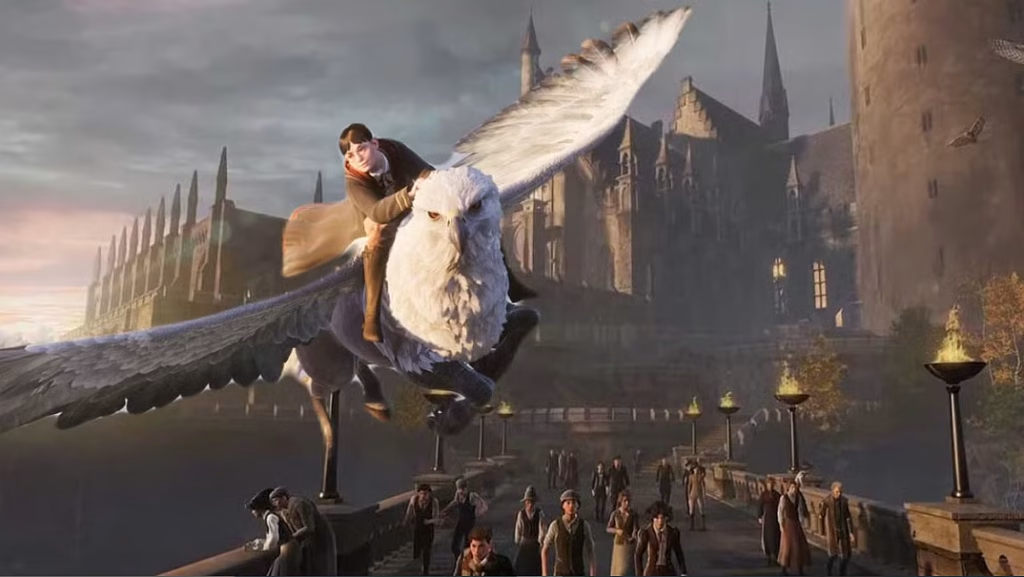
The Official Announcement and What It Locks In
Warner Bros. Discovery Chief Financial Officer Gunnar Wiedenfels confirmed Hogwarts Legacy 2 as a top priority on that Aug. 13, 2026 earnings call. That matters because earnings calls are where companies confirm priorities that influence budgets, hiring, and publisher-level scheduling across teams.
Warner Bros. is also looking at franchise leverage with a long runway. The company’s plan is to coordinate Hogwarts Legacy 2 development with the Harry Potter television reboot scheduled for Max, effectively turning the game into a parallel pillar next to the series. For players in India and globally, that can translate into faster cross-media momentum—events, tie-in content, and synchronized seasonal marketing.
Ranked: 10-15 Reasons This Hogwarts Legacy 2 Move Matters
- It’s officially prioritized by Warner Bros. Discovery
When a CFO frames a project as a top priority, it signals internal urgency rather than “optional sequel” thinking. That’s a publishing-level decision with real downstream impact on staffing and scope.
- It leans into the Harry Potter TV reboot on Max
Warner Bros. aims to coordinate the sequel with the series reboot. If that coordination holds, the game could reflect branding and worldbuilding choices that show up in the show’s public rollout.
- Avalanche Software’s open-world RPG framework gets continuity
Game director Alan Tew and the Avalanche team are expected to return, building on the structure introduced by the 2023 open-world RPG. Continuity here is a big deal: teams rarely risk abandoning proven systems for a brand-new direction immediately after a breakout.
- The first game proved the model
The original Hogwarts Legacy, developed by Avalanche Software and published by Warner Bros. Games, sold over 30 million copies worldwide after its initial launch. That kind of scale doesn’t just justify a sequel—it pressures the publisher to treat it like the next “anchor” release.
- It’s a hedge against inconsistent outcomes at WB Games
Warner Bros. has seen missteps and cancellations in recent years, including high-profile game troubles like Suicide Squad: Kill the Justice League, MultiVersus, and cancellations such as Wonder Woman. A sequel gives the division a safer lane: established fan demand plus a proven gameplay loop.
- It suggests WB Games will double down on select franchises
Warner Bros. has said its games division would focus on four key franchises, one of which is Harry Potter. This announcement reads like an execution phase of that strategy rather than a vague intention.
- It turns franchise IP into a cross-platform flywheel
Games can keep audiences engaged between TV season drops. If coordinated properly, the sequel can act like an interactive “companion” ecosystem around the Max release calendar.
- Creative leadership continuity reduces production risk
With Alan Tew and Avalanche expected back, Warner Bros. reduces the creative unknowns that often derail sequels. That doesn’t eliminate risk, but it shortens the “re-learn the core” period.
- It keeps the open-world RPG identity intact
The sequel is positioned to build on the open-world RPG framework rather than replacing it. Fans who liked the previous title’s approach to exploration, progression, and combat may find more continuity than reinvention.
- Earnings-call timing hints at budget commitment
The Aug. 13 confirmation came alongside a wider investor narrative about growth levers and game momentum. In business terms, that usually means the project is far enough along to justify sustained investment.
- It sets expectations for new content beats, not just a reskin
A coordinated TV tie-in plus a return to the same team implies the sequel must deliver meaningful evolution—new quests, better traversal, deeper systems, or broader world areas—rather than “same map, new skin.”
- It gives Warner a clear narrative for investors
Following the kind of execution volatility that can hit major publishers, an “official priority” like this creates a stable story for shareholders. That stability is exactly what CFOs are signaling when they choose their words carefully.
What Happens Next for Players (and Why It’s Not Just Hype)
That said, skeptics will point out the gap between “official priority” and “player-ready release.” The CFO confirmation doesn’t automatically reveal launch timing, platforms, or final features—so we still have an information lag until Warner Bros. and Avalanche share more concrete milestones.
The coordination plan with the Harry Potter TV reboot on Max could speed up marketing clarity, but it also means creative and production teams may work to schedules dictated by the show’s rollout. If those calendars collide, the safest outcome is incremental announcements, gameplay reveals closer to a stated window, and content that’s built to complement the series narrative beats.
For now, the best move is to watch for Warner Bros. Games communications that connect the sequel’s development milestones to the Max series cadence—because that’s where the real “officially announced” value shows up, not just in the announcement itself.
| Topic | What’s locked in | What’s still unclear |
|---|---|---|
| Announcement status | Officially confirmed by Warner Bros. Discovery during earnings call | Release window and platform list |
| Development coordination | Planned with the Harry Potter series reboot on Max | How tightly gameplay/story will mirror the show |
| Team continuity | Alan Tew and Avalanche expected to return | Whether there’s any major system overhaul |
Related Articles
FAQs
Is Hogwarts Legacy 2 officially announced or just a leak?
It’s officially announced as a priority: Warner Bros. Discovery CFO Gunnar Wiedenfels confirmed it during the Aug. 13, 2026 earnings call. Separate outlets have reiterated that Warner Bros. is treating Harry Potter games as a core franchise focus, but the call is the clearest “official” signal.
Who is coordinating the sequel with the Harry Potter series on Max?
Warner Bros. Discovery has said it plans to coordinate Hogwarts Legacy 2 development with the upcoming Harry Potter television reboot scheduled for Max. That means coordination is publisher-level, not just a marketing tie-in.
Will Alan Tew and Avalanche Software return?
Game director Alan Tew and the Avalanche Software team are expected to return for the sequel, building on the open-world RPG framework established in the 2023 release. That’s a continuity signal that matters for gameplay feel and long-term RPG systems.
Where can we expect more details first?
Expect details to land through Warner Bros. Games announcements and industry coverage tied to investor updates. For broader tech-and-games business context, publications like TechCrunch and The Verge often track publisher strategy shifts as they become formalized—though the most concrete “when/what” details typically arrive with dedicated showcases.
Closing Takeaway
Warner Bros. isn’t just chasing another release—by tying Hogwarts Legacy 2 to Max’s reboot and confirming CFO-level priority, it’s aiming to make the sequel the next franchise centerpiece.
Was this article helpful?
Your feedback directly improves future articles on this site.