SA329
 AUS330/4 (90 ov)
 BAN213/3 (74 ov)
 WI
 GEN
 JUV
 MON
 NAP
 UAE
 OMA
 ENG
 SL
 AFG
 ZIM
 Al Khaleej
 Al Hazem
 Frosinone
 Lecce
 Al Nassr
 Al Kholood
 FC Goa1
 SCD1
 IND-W133/2 (17/50 ov, target 132)
 ZIM-W131
 AS Roma4
 Cagliari2
 Torino1
 Como3
 KENYA
 KUW
 LIONS
 EASTN198/6 (20 ov)
 SIKM184 & 87/4 (32 ov, target 212)
 NAGA187 & 208
 JHK131/4 (47 ov)
 DELHI515/5d
 ODSA194
 SVCS13/0 (5 ov)
 BRODA616
 J & K303 & 8/1 (6 ov) (f/o)
 CHD685/5d
 HP340/3 (104 ov)
 CGR216/8 (95 ov)
 AP231
 HYD380
 PNJB431 & 57/0 (24 ov)
 KNTKA490/9d
 TPURA194 & 98/3 (38 ov)
 MR-W
 ST-W
 MS-W
 HH-W
 WELL
 OTAGO
 MIS
 TOK
 JAB
 KAG
 PAK110
 NAM316/7
 IRE253 (44.5/50 ov, target 317)
 NZ198/3
 IND199/4 (13.2/20 ov, target 199)
 BRB81 (12.1/20 ov, target 178)
 VAG177/7
 ALJ0
 ALM2
 ALN0
 ALR2
 SGD0
 S040
 SCF1
 WOB0
 SCP0
 VFB0
 SSV0
 BSC0
 Al Riyadh
 Al Qadsiah
 Fiorentina
 Atalanta
 MNC
 BHA
 Sassuolo2
 Lazio6
 Abha0
 Al Faisaly1
 GAM1
 BUR1
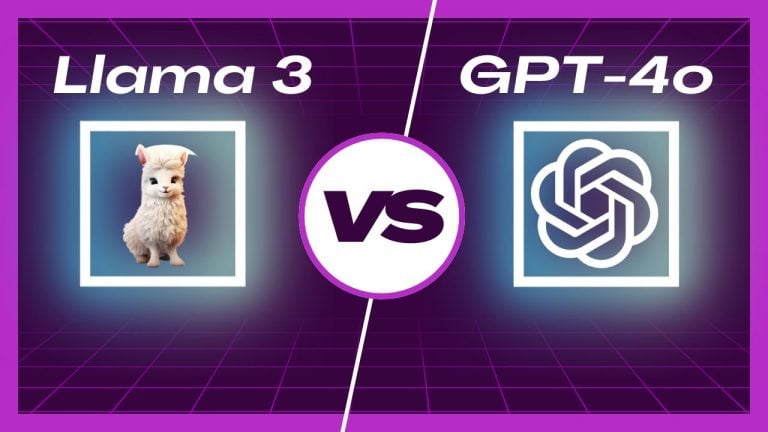
After their releases in 2024, developers primarily looked at GPT-4o and Llama 3 for Python programming tasks. OpenAI unveiled the multimodal GPT-4o on May 13, 2024, while Meta launched the Llama 3 series on April 18, 2024. By June 15, 2026, picking between these models has become about understanding their token limits, accessibility, and overall design.
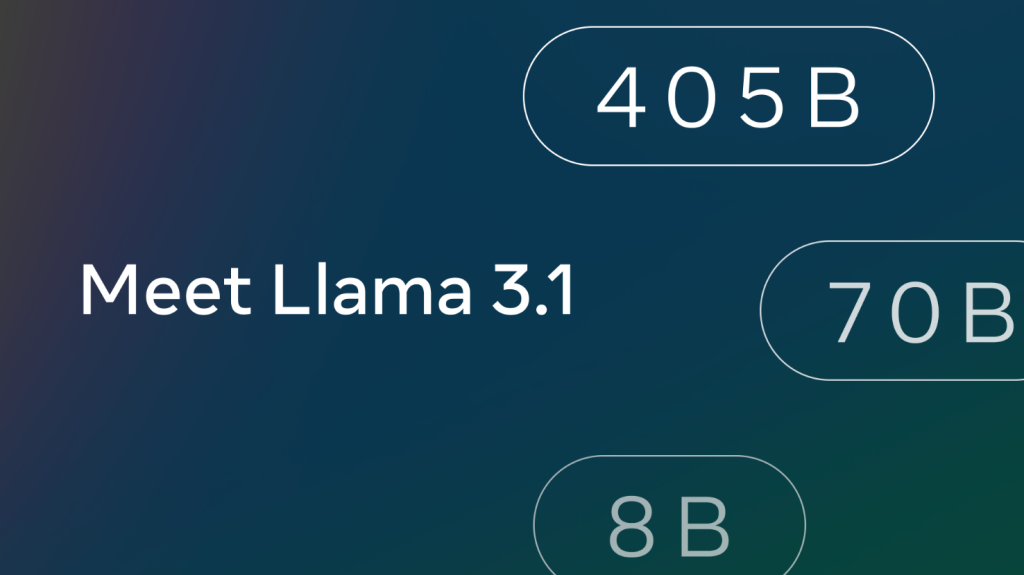
The number of parameters and the flexibility of the architecture play key roles in success with complex code refactoring. Llama 3 70B started with a limited 8,192-token context window. However, the release of Llama 3.1 in July 2024 expanded this to an impressive 128,000 tokens, matching GPT-4o’s capacity. This shift changes the way we tackle long-context coding projects.
GPT-4o and Llama 3: Technical Specifications and Performance Metrics
The differences in architecture affect how each model handles Python logic. GPT-4o, being a proprietary, closed-source model, integrates text, audio, and vision inputs. This makes it particularly effective for multimodal development environments.
Llama 3, on the other hand, is an open-weight model trained on over 15 trillion tokens. This extensive pre-training allows Llama 3 to excel in Python syntax, although it doesn’t possess the native multimodal features of OpenAI’s flagship.
There’s some debate about whether closed-source models are better for local development. Some folks argue that Llama 3’s open-weight design offers improved data privacy and lower latency for enterprise uses. Yet, the numbers tell a different story: early HumanEval benchmarks showed that GPT-4o outperformed the Llama 3 70B variant in complex code generation and logical reasoning tasks right from the start.
| Feature | GPT-4o | Llama 3 (Base) |
|---|---|---|
| Release Date | May 13, 2024 | April 18, 2024 |
| Context Window | 128,000 tokens | 8,192 tokens |
| Pricing | $5.00 per 1M input tokens | Free (Open Weights) |
| Architecture | Proprietary Multimodal | Open-Weight LLM |
GPT-4o and Llama 3: Implementation and Enterprise Considerations
When integrating these models into workflows, Meta’s Llama 3 options come under the Community License Agreement. This setup offers a strong alternative for companies focusing on cost-efficiency and local hosting. Since they’re open-weight, organizations can avoid per-token API costs, so long as they have the infrastructure to host them. The 405B variant from Llama 3.1 further closes the performance gap, providing developers with a solid option that avoids vendor lock-in.
The AI-assisted coding scene will keep changing as inference efficiency improves and context windows become standard across all platforms. Developers should lean toward GPT-4o for tasks that need vision-integrated debugging, while Llama 3 remains a better fit for private, cost-sensitive, or local-first Python environments.
FAQs
How does Llama 3 compare to GPT-4o for coding?
Llama 3, especially the 405B variant, competes closely with GPT-4o in pure Python logic. Still, GPT-4o has the edge in multimodal reasoning and complex instruction following.
Is Llama 3 free to use for commercial projects?
Yes, Llama 3 is available under Meta’s Community License Agreement, which allows for commercial use, though some restrictions apply based on the total monthly active users.
Does GPT-4o support long-context Python files?
Absolutely, GPT-4o supports a 128,000-token context window, enabling it to analyze entire Python repositories or complex documentation sets all at once.