NZ
NZ IND
IND NAM
NAM IRE
IRE MOZ
MOZ UGA
UGA Aston Villa
 Man City
 Rayo
Rayo Elche
Elche GMB
GMB ZMB
ZMB NGA
NGA LES
LES Cagliari
 Bologna
 IPS1
IPS1 NFO1
NFO1 ALA1
ALA1 MCF1
MCF1 TOR3
TOR3 MON2
MON2 BRE1
BRE1 NICE2
NICE2 TAS67/4 (15.4/50 ov, target 305)
 VIC304/7
 NZ-A133/1 (39.2 ov)
 IND-A113
 DHA
DHA RAJ
RAJ MYMS
MYMS CHATT
CHATT RAN
RAN BAR
BAR SYL
SYL KHU
KHU UAE
UAE NED
NED PAK
PAK ENG
ENG IND-W
IND-W ZIM-W
ZIM-W AFG170/3 (34.3/50 ov, target 170)
 ZIM169
 DOLPH56/0 (3.5/8 ov, target 56)
 SWD51/4 (8/8 ov)
 WSW1
WSW1 BRI1
BRI1 Como
Como Sassuolo
 Augsburg
 Union Berlin
 Cologne
 Schalke
 Mainz
Mainz Bremen
 RB Leipzig
 Elversberg
 VFB2
VFB2 BMG3
BMG3 AHL4
AHL4 KHA1
KHA1
Google launched Gemini-powered prompt-based photo editing in India, alongside Australia and Japan, enabling users to describe desired changes through simple voice or text commands. The “Help me Edit” feature processes natural language requests like “remove the motorcycle in the background” or “restore this old photo” using Google’s Nano Banana image model, with all processing happening directly within the app on devices running Android 8.0 or higher with at least 4GB RAM.
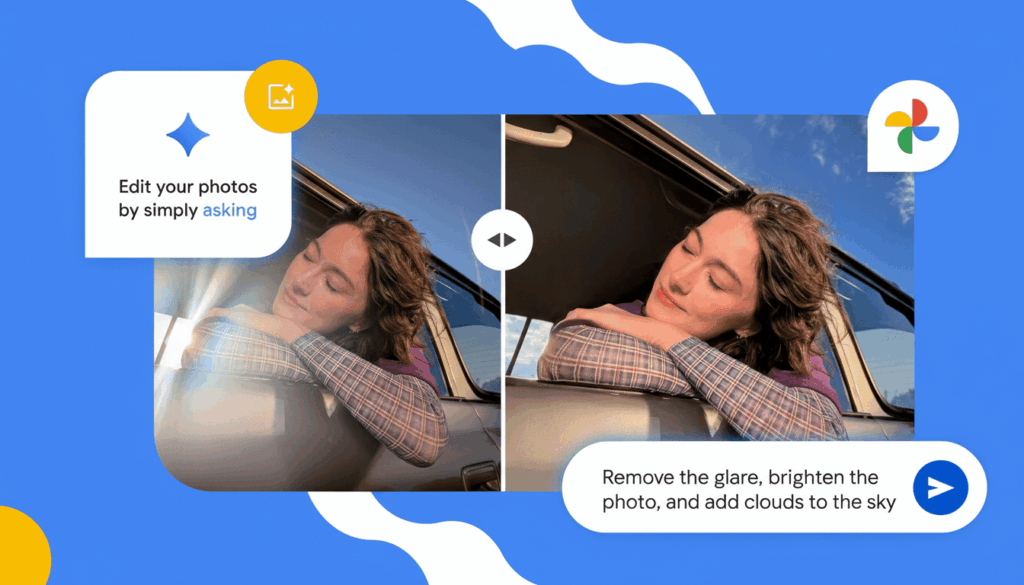
Voice and Text Commands Replace Complex Editing Tools
The expansion brings conversational editing beyond Pixel 10 exclusivity to all supported Android devices across India, with language support including English, Hindi, Tamil, Marathi, Telugu, Bengali, and Gujarati. Users tap the “Help me Edit” box when editing photos, selecting from suggested prompts or typing custom requests in plain language instead of manually adjusting sliders or learning complex editing software.
| Feature | Capability | Requirements |
|---|---|---|
| Help me Edit | Voice/text prompt-based editing | Android 8.0+, 4GB RAM minimum |
| Language Support | 7 Indian languages | Hindi, Tamil, Marathi, Telugu, Bengali, Gujarati, English |
| Nano Banana Model | On-device AI processing | No internet required for editing |
| Face-Based Edits | Remove glasses, open eyes, adjust pose | Uses private face groups |
| C2PA Credentials | AI edit metadata labels | Transparency for modified images |
| Advanced Edits | Multi-step refinements | Follow-up instructions supported |
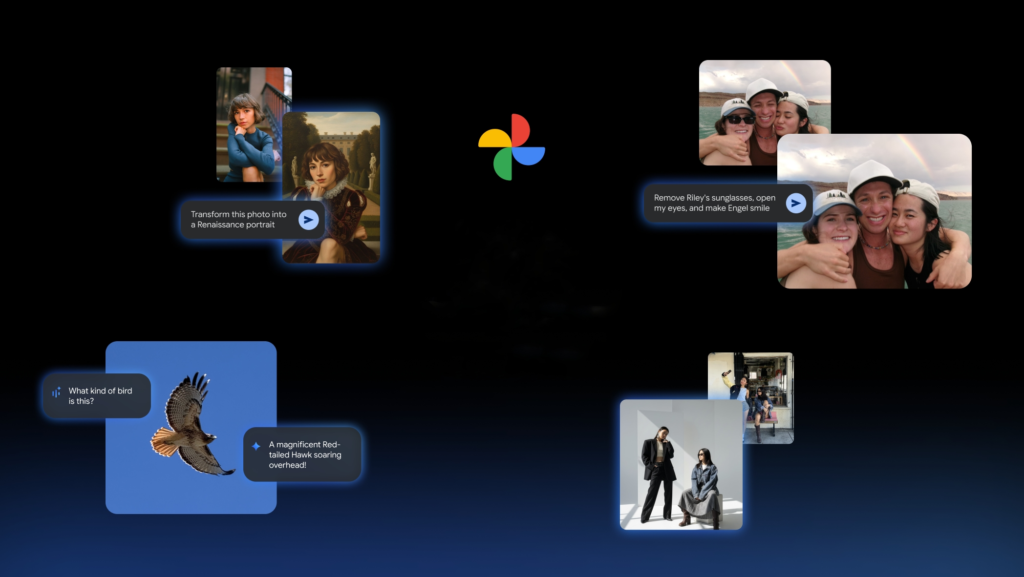
Personalized Face Recognition Enables Group Photo Fixes
The AI handles surprisingly specific requests including editing friends’ poses, removing glasses, or opening eyes in photos where subjects blinked. Google’s Gemini capabilities use images from users’ private face groups to generate accurate, personalized edits of people in their libraries, maintaining facial consistency while making requested modifications.
Users can request basic adjustments like improving lighting or removing background objects, alongside advanced changes such as applying new visual styles. The tool supports follow-up instructions, allowing step-by-step refinements—after removing an object, users can ask the AI to further adjust colors or enhance subjects through conversational commands.
C2PA Content Credentials support launches simultaneously in these countries, adding digital labels indicating when images were created or edited using AI. This metadata includes edit history information, addressing social media platforms’ challenges in labeling AI content as AI-generated and AI-edited images become increasingly common.
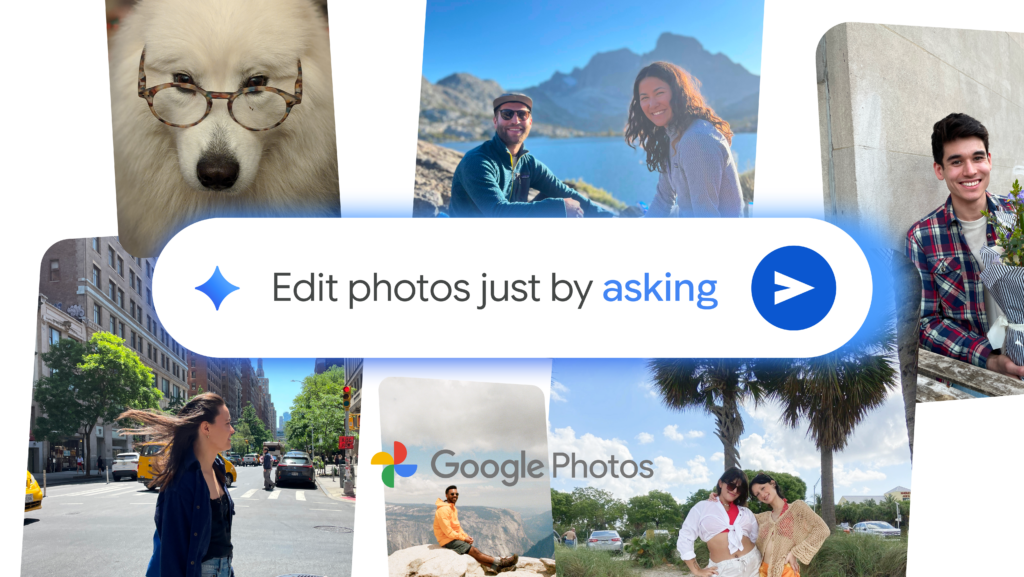
The expansion follows Google’s aggressive AI integration throughout Google Photos. Last November, the company expanded AI-powered search capabilities to over 100 countries with 17+ language support, and introduced AI templates converting photos into different artistic styles. The conversational editing update shifts experiences from manual sliders to natural language, democratizing advanced editing previously requiring specialized software knowledge.
The feature’s availability on any Android device meeting minimum specifications—not just Pixel phones—significantly expands accessibility. Processing happening directly within the app without internet connectivity for actual editing ensures privacy while maintaining performance, making professional-grade editing tools available to millions of users in their native languages.
Explore Google Photos features and discover more AI photography innovations transforming mobile content creation.