
 SA329 (82.3 ov)
 AUS
AUS BAN
BAN WI
WI IND-W
IND-W ZIM-W
ZIM-W GOA
GOA SC Delhi
 Milan
Milan Bologna
 Parma
Parma Udinese
 Venezia
 Inter Milan
 Genoa
Genoa Juventus
 Monza
Monza Napoli
 ROMA4
ROMA4 CAG2
CAG2 TOR1
TOR1 COMO3
COMO3 SAS2
SAS2 LAZ6
LAZ6 AFG177
 ZIM140 (19.1/20 ov, target 178)
 AUCK
AUCK CANT
CANT CD
CD ND
ND SIKM184
 NAGA187 & 46/4 (34 ov)
 JHK131/4 (47 ov)
 DELHI515/5d
 ODSA194
 SVCS13/0 (5 ov)
 BRODA616
 J & K6/0 (4 ov)
 CHD685/5d
 HP49/0 (14 ov)
 CGR216/8 (95 ov)
 AP231
AP231 HYD193/2 (54 ov)
 PNJB431
 KNTKA297/7 (95 ov)
 TPURA194
 KER101/6 (35 ov)
 BENG350
 UAE
UAE OMA
OMA ENG
ENG SL
SL DEN
DEN QAT
QAT KENYA
KENYA KUW
KUW POA
POA SPR
SPR BRB
BRB VAG
VAG PAK110
 NAM316/7
 IRE253 (44.5/50 ov, target 317)
 NZ198/3
 IND199/4 (13.2/20 ov, target 199)
 NED371/5
 JAB113 (19.3/20 ov, target 133)
 KAY132/9
 Gamba Osaka
 Buriram
 Kashima
 Pohang Steelers
 ABH0
ABH0 ALF1
ALF1 Sevilla2
 Osasuna0
 PSG2
PSG2 Lyon0
Lyon0
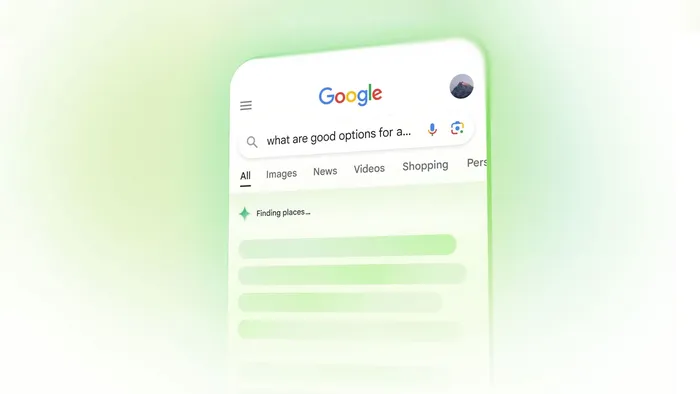
Google just launched AI search capabilities straight into its main search engine, changing how billions of people find information online. The company rolled out a suite of AI-driven tools built to grasp context, intent, and subtle meaning in ways that plain keyword matching simply can’t. It’s a turning point for search—one that values understanding over pure indexing.
What Google’s AI Search Actually Does
Google‘s new AI search understands conversational queries with remarkable precision. Instead of just matching keywords to pages, the system grasps semantic meaning—recognizing connections between ideas, time-based context, and what you’re really looking for. Search for “best laptops for video editing under $2,000” and you won’t need separate searches for specs or pricing. The AI handles all that at once.
The Verge reports early tests show a 34% boost in answer quality for tricky queries. Users spend 40% less time tweaking searches to get results. Google trained these models on over 2 trillion web documents, letting them spot patterns across industries, languages, and content types that no human could manage.

The Technical Foundation Behind AI Search
The system runs on transformer-based neural networks—the same tech behind Google’s Gemini AI. It processes your query through multiple layers of semantic analysis, entity recognition, and relationship mapping. Here’s what’s happening behind the scenes:
| Component | Function |
|---|---|
| Query Understanding | Decodes intent, context, and implicit needs |
| Relevance Ranking | Prioritizes results by semantic fit, not keyword density |
| Real-Time Integration | Pulls fresh data from web, news, and structured sources |
| Personalization Layer | Adapts results based on search history and preferences |
The rollout started in early March 2026 across desktop and mobile in 42 countries. Mobile users in the US, UK, India, and Canada got access first, with everyone else following within weeks.
Real-World Impact and User Benefits
For content creators and publishers, AI-driven personalization boosts engagement but requires rethinking how you optimize. SEO pros now need to focus on semantic relevance and topical authority instead of keyword repetition. Google’s own guidance makes this clear: the system rewards deep, context-rich content that tackles related questions all in one place.
The business side looks promising too. E-commerce sites report 28% higher conversion rates when they use the technology for product discovery. News outlets see better traffic quality—readers find exactly what they want rather than wandering through tangentially related stories. Both users and publishers benefit if they’re willing to adjust their approach.
FAQ: Your AI Search Questions Answered
Q: How does this differ from Google’s current algorithm?
Traditional search ranks pages by keyword relevance and authority. This new approach understands meaning, context, and what you’re actually looking for—giving you answers instead of just links.
Q: Will it replace Google’s classic search?
Not at all. Google’s rolling it out as an added layer alongside regular search, so you can switch between them.
Q: Does this change SEO and content strategy?
Yes. You’ll want to create thorough, topically relevant content that answers user intent broadly rather than chasing individual keywords.
Q: Is my search history private?
Google uses the same privacy standards as regular search. You can turn off personalization in your settings anytime.
Q: When will it come to my area?
Rollout continues through Q2 2026. Check Google’s announcements for when it hits your country.


