WI-A
 LIONS52/2 (6/20 ov)
 EST0
 ALS0
 GAL
 VFB
 SHK
 SCP
 ATM
 MUN
 BAR
 AVL
 BODO
 LILL
 FEY
 INT
 LAS
 SLB
 MAN
 ROMA
 Newcastle0
 Everton1
 Deportivo2
 Osasuna1
 Atalanta0
 Parma3
 Lorient0
 Brest2
 DOLPH
 WPR
 ASSAM135
 KNTKA496/5 (117 ov)
 MEGHA144
 NAGA254 & 73/3 (25 ov)
 TPURA268 & 54/4 (22 ov)
 SAU118
 BENG143
 MAHA207/9 (79 ov)
 ODSA
 JHK258/5 (108 ov)
 CHD49/3 (20 ov)
 TN571/7d
 CGR284
 HYD275/9 (83 ov)
 DELHI299/6 (90 ov)
 SVCS266
 GOA397
 BIHAR107 & 63/3 (22 ov) (f/o)
 GUJ534/9d
 KER74/3 (23 ov)
 NZ
 IND
 UAE
 OMA
 BAN
 WI
 HH-W
 MR-W
 AS-W
 BH-W
 CD
 AUCK
 OTAGO
 CANT
 MS-W109 (18.1/20 ov, target 125)
 PS-W124/9
 LUL98/2 (11.4/20 ov, target 98)
 POA97/9
 BIK174/3
 JAB172/7 (20 ov, target 175)
 CHR129/6
 SPR131/5 (16.4/20 ov, target 130)
 KAY180/6
 KAG181/6 (19.4/20 ov, target 181)
 ALH0
 SHO2
 Sassuolo2
 Fiorentina4
 CAHN0
 KYO0
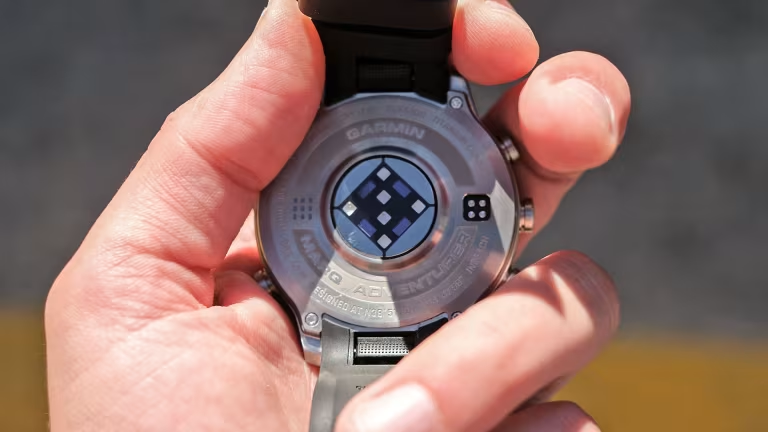
Garmin announced its titanium-case manufacturing process for the Fenix 9 Pro and Marq Gen 3 on November 3, 2026. The Marq Gen 3 is Garmin’s premium smartwatch line. A December 15 launch, a $999.99 starting
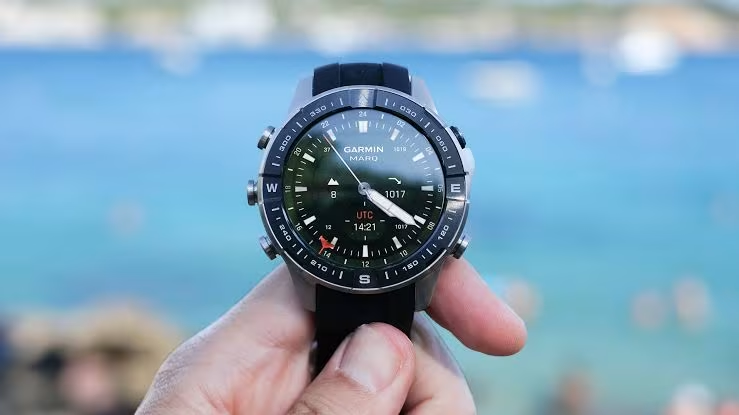
November 3: Garmin Explains the Marq Gen Case Process
Garmin’s manufacturing announcement tackles a less obvious challenge with titanium: making a compact watch case that still lets wireless signals travel in and out. TechRadar’s account of Garmin’s chief openano-molded titanium.
Garmin isn’t simply adding a premium material. The company is balancing case size with the demands of connectivity. That matters because titanium can pose engineering challenges as its use grows. A watch case needs to protect its components without adding unnecessary bulk or blocking signals. Garmin developed its process to address those competing demands across two high-end product lines, though the announcement doesn’t offer a full technical breakdown of the manufacturing steps.
Why Titanium Creates a Design Trade-Off
Titanium appeals to watchmakers because it’s lighter than stainless steel and typically stronger than aluminium. That combination can work well for devices worn during exercise. Extra weight may affect comfort and make a watch shift on the wrist. Movement can also complicate heart-rate readings, so case design matters for more than appearance.
Stainless steel was once a familiar material in Garmin’s premium range, but the source report says it isn’t an option in the Fenix 9 range. Titanium offers a different balance of weight and durability, yet signal challenges mean it’s not a simple material swap. Garmin’s manufacturing approach is part of the product design, not just a finishing choice. The new case process gives buyers another factor to consider: how premium construction affects a device’s size and connectivity.
Fenix 9 Pro and Marq Gen: Leaked Specifications
Leaked specifications for the Fenix 9 Pro include a 1.4-inch active-matrix organic light-emitting diode (AMOLED) display and up to 30 days of battery life in smartwatch mode. The upcoming watch’s expected starting
What Garmin’s Process Could Mean for Buyers
The case announcement helps shoppers understand the design problem Garmin is addressing, but it doesn’t answer the bigger buying questions. The listed battery life, display and storage figures still need official confirmation. Nor does the manufacturing explanation show how the finished watches will perform in daily use.
Buyers should view the case process as a design update, not a replacement for a full specification sheet. Garmin’s next useful step would be to share product details, including confirmed dimensions, connectivity information, regional pricing and availability. Until then, the clearest takeaway is Garmin’s focus on keeping titanium cases compact while preserving signal access. That approach could influence how the Fenix 9 Pro and Marq Gen 3 are positioned once Garmin confirms their launch plans.
Takeaway: The Marq Gen case process is now official; the launch date,
FAQs
What did Garmin announce on November 3, 2026?
Garmin announced the manufacturing process for the titanium cases in the Fenix 9 Pro and the Gen 3. The company describes the approach as nano-molded titanium.
What is the expected Fenix 9 Pro
Leaks list an expected starting
When are the watches expected to launch?
Leaked information points to December 15, 2026, for both product lines. Garmin hasn’t officially confirmed the date.
What specifications have surfaced for the devices?
Leaks list a 1.4-inch AMOLED display and up to 30 days of smartwatch-mode battery life for the Fenix 9 Pro, along with 32GB of storage for the the Gen 3 series. Garmin hasn’t confirmed those details. Source: Techradar the gen
Read Next
- The google suncatcher Satellite Runs AI in Orbit and Sends a Haiku Home
- Stuck Without A Hard Drive
- ‘AI is not creating the problem’: OpenAI CEO Sam Altman says AI is merely uncovering all
Was this article helpful?
Your feedback directly improves future articles on this site.