OLM4
 HAC3
 SUN0
 LEE0
 SCF1
 MUN2
 LEC0
 JUV2
 RSO2
 LEV1
 CDN0
 SCB0
 RAFC0
 FCF0
 UDI
 MIL
 BAR
 RMA
 Mohun Bagan
 Chennaiyin
 PSG
 Lyon
 Sevilla
 Osasuna
 NED
 OMA
 NZ
 IND
 NAM
 IRE
 AUX1
 MNS1
 ANG0
 LOR0
 REN3
 STR0
 TOU0
 TRY0
 LIMWn
 NW-W
 NCWmn
 FsWm
 NWEST22/3 (3.1/20 ov, target 181)
 NCAPE180/3
 BOL137/9 (20 ov)
 TITNS137/8
 NZ-A317
 IND-A113 & 106/2 (36 ov)
 SYL280/2 (84 ov)
 KHU
 MYMS465/7d
 CHATT134/2 (40 ov)
 DHA521
 RAJ103/6 (26 ov)
 RAN402
 BAR179/3 (56.1 ov)
 PAK
 SL
 SA
 AUS
 BRB
 MOW
 LUL
 SPR
 TOK
 MEX-W51 (12.5/20 ov, target 187)
 ARG-W186/7
 NGA148
 UGA147/9 (20 ov, target 149)
 GMB112/9
 LES109 (19.5/20 ov, target 113)
 MOZ110/7 (19/20 ov, target 110)
 ZMB109/9
 IND-W328/6
 ZIM-W207 (48.5/50 ov, target 329)
 ENG241
 CHN1
 USA0
 SAM0
 KEN1
 MAN0
 MNC0
 SCP
 ACV
 LAFC
 LA
 Neftchi Fergana
 Al Ittihad
 CEL0
 BET0
 TSG3
 B040

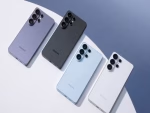
Picking the right display really shapes how you use your phone. The Galaxy Z Fold 6, like other top-tier models, pushes screen technology forward—but if you’re not clear on the differences between OLED and LCD, you might miss out. Let’s break down what actually matters for your upgrade, minus the jargon.
Galaxy Z Fold 6 Display Tech: OLED and LCD Demystified
Think about it: your phone’s screen isn’t just for showing apps—it’s something you interact with all day long. LCD, or Liquid Crystal Display, has been the go-to for years. It uses a backlight behind liquid crystals to make images. OLED (Organic Light Emitting Diode) works differently. Each pixel lights up on its own, so the panel can turn pixels on or off individually.
That’s what gives OLED displays, such as the one in the Galaxy Z Fold 6 and Galaxy S26 OLED phones, true blacks—pixels can shut off completely instead of just going dim. LCD screens can’t quite match this because their backlight is always on. So, with OLED, you’ll see higher contrast ratios, more vibrant colors, and better consistency across the screen.
Here’s the thing: it isn’t only about specs. As GSMArena notes, OLED tech allows for thinner and even bendable screens—huge for foldable devices like the Z Fold 6. LCD still sticks around in a lot of mid-range phones because it’s tried, true, and cheaper to make. Both have come a long way, but those basic differences still show up when you use them day to day.
Galaxy Z Fold 6: Visual Quality, Battery, and Price: 3 Key Stats for this Users
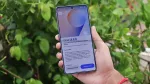
When you look at visuals, OLED pretty much takes the crown over LCD. You’ll get more vivid colors, those inky blacks, and contrast that really pops. The Z Fold 6’s OLED display, for instance, brings HDR10+ support plus wide color ranges—perfect for watching shows, gaming, or editing photos. In side-by-side tests, LCDs just look a bit faded, even if they’ve improved.
Let’s talk battery. OLED can actually help your phone last longer, especially with features like dark mode or always-on display, since black pixels just stay off. LCD panels don’t have that trick—they light up the whole screen all the time. Still, OLED’s battery savings depend on what you’re doing; crank the brightness and it’ll use more power.
Worth noting: LCD still takes the lead on price. Even in 2026, putting an OLED panel in a high-end phone like the Z Fold 6 bumps up the cost a lot, while LCD phones keep things budget-friendly. If you want top-notch visuals, OLED is the way to go, but if you care about value, an LCD phone still holds up well for everyday use. If you’re curious about specific price gaps, our Samsung Galaxy S26 overview breaks down the numbers.