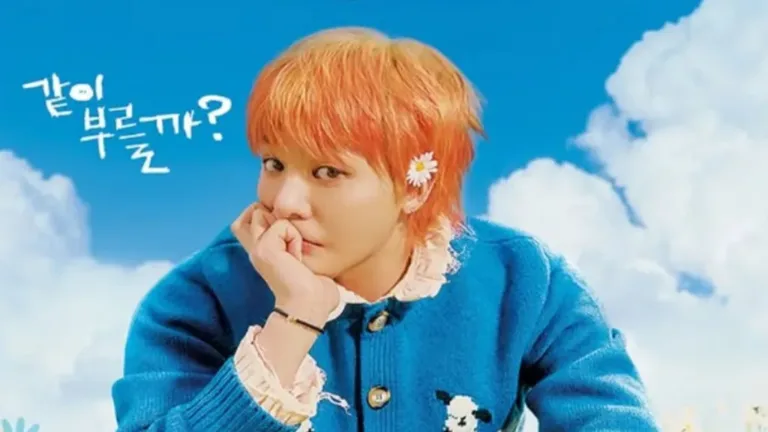
The King of K-Pop is back in the producer’s chair! G-Dragon’s innovative music variety show Good Day has officially been confirmed for a second season, according to production company TEO on December 10, 2025. After Season 1 captivated audiences with its unique format—transforming personal stories into collaborative music—fans and industry insiders alike are buzzing about what the BIGBANG legend will create next.
Good Day Season 2: What We Know So Far
| Category | Details |
|---|---|
| Renewal Status | Officially confirmed by TEO Production (Dec 10, 2025) |
| Confirmed Cast | G-Dragon (Producer/Host) |
| Format | Music collaboration reality show |
| Director | Kim Tae Ho (Infinite Challenge PD) |
| Season 1 Highlight | “Good Day 2025 (Telepathy + By the Moonlight Window)” |
| Additional Cast | To be announced |
| Filming/Broadcast | Schedule not yet determined |
What Makes Good Day Special?
Unlike conventional music competition shows, Good Day takes a deeply personal approach to creativity. G-Dragon—whose real name is Kwon Ji-yong—collaborates with individuals from diverse backgrounds, not just musicians. The show’s genius lies in its process: participants share their life stories, dreams, and experiences, which G-Dragon then transforms into original music.
Season 1 offered an unprecedented behind-the-scenes look at one of K-pop’s most influential artists’ creative process. Viewers watched G-Dragon compose melodies, write lyrics, and arrange tracks in real-time, demystifying the artistry behind hit songs. The resulting track “Good Day 2025 (Telepathy + By the Moonlight Window)” showcased his versatility—blending emotional storytelling with signature production style.
According to Soompi, the show’s format resonated because it humanizes both the idol and participants, creating authentic connections through music.
The Kim Tae Ho Factor
Executive producer Kim Tae Ho’s involvement is crucial to Good Day‘s success. The legendary PD behind Infinite Challenge, one of Korea’s most beloved variety shows, brings two decades of experience crafting compelling reality television. His signature style—balancing humor with heartfelt moments—perfectly complements G-Dragon’s artistic vision.
Kim Tae Ho’s production philosophy emphasizes natural interactions over scripted drama. This approach allows G-Dragon’s genuine personality and creative genius to shine without manufactured controversy, setting Good Day apart from typical celebrity-fronted programs.
Explore more about K-pop variety shows and music industry trends at TechnoSports.
G-Dragon’s Post-Military Career Renaissance
Good Day represents G-Dragon’s evolving role in entertainment. After completing military service in 2019 and navigating various career transitions, he’s positioning himself as both performer and mentor. The show demonstrates his maturity—sharing knowledge accumulated over 19 years in the industry while remaining relevant to new generations.
His 2024 comeback singles “Power” and “Home Sweet Home” (featuring Taeyang and Daesung) proved his star power hasn’t diminished. Good Day Season 2 arrives as G-Dragon solidifies his legacy beyond idol status, becoming a respected producer and cultural curator.
What to Expect from Season 2
While specifics remain under wraps, Season 1’s structure offers clues. Expect:
- Diverse Collaborators: Season 1 featured non-entertainers. Season 2 might include artists, athletes, activists, or everyday people with compelling stories.
- Genre Experimentation: G-Dragon’s musical range spans hip-hop, R&B, EDM, and traditional Korean music. Season 2 could push even further into experimental sounds.
- Deeper Creative Process: More intimate looks at songwriting, production techniques, and the emotional journey from concept to final track.
- High-Profile Guest Appearances: Given G-Dragon’s industry connections, surprise collaborations with international artists aren’t out of the question.
For insights on G-Dragon’s musical evolution and variety show innovations, visit TechnoSports.
Why This Matters for K-Pop
Good Day challenges the manufactured perfection often associated with K-pop, showing raw creativity, vulnerability, and collaboration. As the industry faces criticism for overproduction and grueling training systems, shows like this humanize artists and celebrate artistic process over polished outcomes.
G-Dragon’s willingness to share his creative space—inviting strangers into his studio and transforming their stories into music—sets a powerful precedent. It’s mentorship, therapy, and entertainment rolled into one format.
With filming and broadcast schedules yet to be announced, fans eagerly await more details. One thing’s certain: when G-Dragon and Kim Tae Ho collaborate, expect something extraordinary.