NZ66/3 (9.5/20 ov)
 IND
 NAM23/1 (3.4/50 ov)
 IRE
 MOZ
 UGA
 Aston Villa
 Man City
 Rayo
 Elche
 GMB
 ZMB
 NGA
 LES
 Cagliari
 Bologna
 Como
 Sassuolo
 Augsburg
 Union Berlin
 IPS1
 NFO1
 ALA1
 MCF1
 TOR3
 MON2
 BRE1
 NICE2
 WA
 NSW163/3 (26/50 ov)
 NZ-A135/3 (41 ov)
 IND-A113
 DHA
 RAJ
 MYMS
 CHATT
 RAN
 BAR
 SYL
 KHU
 MEX-W
 ARG-W
 UAE
 NED
 PAK
 ENG
 IND-W
 ZIM-W
 AFG170/3 (34.3/50 ov, target 170)
 ZIM169
 TAS137 (25.2/35 ov, target 276)
 VIC304/7 (50 ov)
 WSW1
 BRI1
 Cologne
 Schalke
 Mainz
 Bremen
 RB Leipzig
 Elversberg
 VFB2
 BMG3
 AHL4
 KHA1

fpower — HEADLINE: “1. F1 scraps 50/50 power split for 2027” 2022 aimed to align the sport with a long-term sustainability roadmap. While the 2026 regulations were set to introduce a balanced power output, the upcoming 2027 adjustments show that the governing body is prioritizing mechanical performance and driver feedback over initial parity targets.
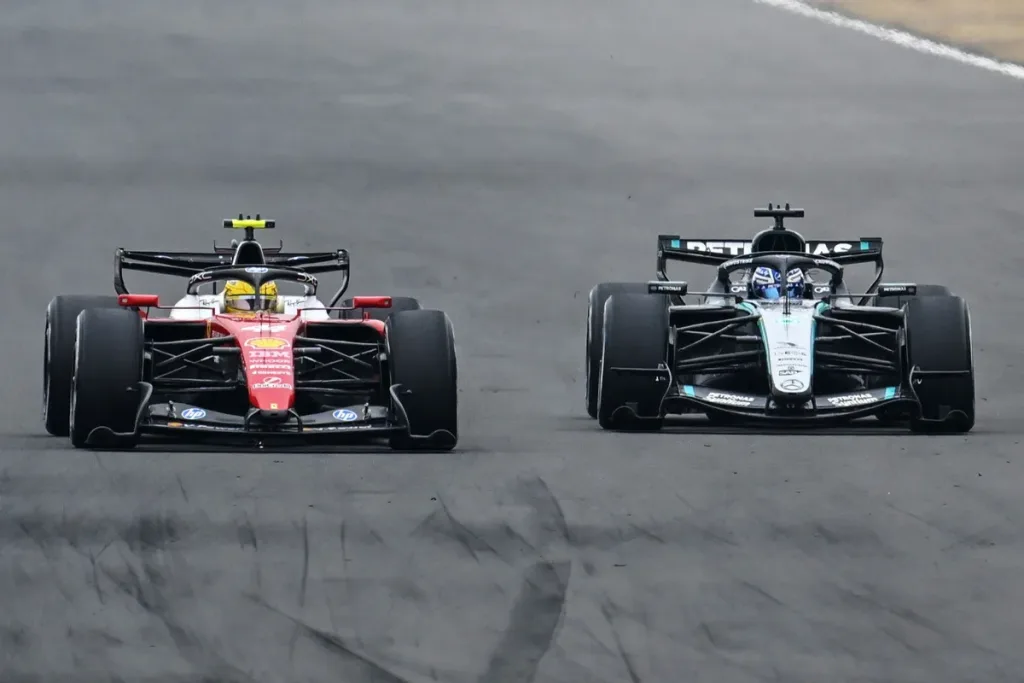
Fpower: Drivers Behind the 2027 Power Split Revision
The move away from the 50/50 power split is mainly driven by performance and drivability concerns voiced by teams and drivers. While some specific teams haven’t confirmed their stance publicly, manufacturers like Honda, Mercedes, Ferrari, and Renault agree that the initial electrical reliance created handling challenges not suited to today’s fast-paced Grand Prix cars.
By changing the ratio to emphasize the ICE, the FIA hopes to maintain the high performance standards expected in top-tier motorsport while ensuring the cars remain predictable under load, as Motor Trend points out.
The FIA’s World Motor Sport Council is in charge of ratifying these technical changes. They’re currently working to balance the approximately 1,000 bhp total power target while keeping the vehicles competitive.
This transition highlights the complexities of developing hybrid power units, where the MGU-K and the combustion engine need to work seamlessly together to provide usable torque. This shift is a practical response to the technical realities of 2026, as the sport gears up for the next level of competition.
| Regulation Phase | Power Distribution Focus | Implementation Status |
|---|---|---|
| 2026 Regulations | 50/50 ICE/Electric Split | Original Mandate |
| 2027 Revision | Increased ICE Proportion | Targeted Revision |
The big question is how this will affect the racing spectacle. If the electrical boost gets dialed back in favor of traditional engine power, we could see changes in how drivers manage energy during overtaking. For more detail, check out Roadshow by CNET.
Manufacturers are deep in development, and any change to the power split calls for significant recalibration of both the powertrain and the chassis architecture. As we move closer to 2027, everyone will be watching to see if these changes can balance sustainable hybrid technology with the thrilling performance that defines Formula 1.
That said, leaning toward an ICE-heavy split doesn’t mean electrification is out of the picture. Instead, it suggests a more thoughtful approach to how that power is delivered on track.
Technical bulletins from the FIA are expected soon, clarifying the exact ratios and how they’ll impact overall vehicle weight. For now, teams are adjusting their development strategies to ensure they’re ready when the new rules come into play.
FAQs
Fpower: Why is the 50/50 power split being scrapped?
The change primarily stems from performance and drivability concerns reported by drivers and teams, prompting the FIA to adjust the ratio toward internal combustion power for improved vehicle handling.
Which manufacturers are affected by the 2027 power split changes?
Major manufacturers involved in developing the 2026 and 2027 power units, including Honda, Mercedes, Ferrari, and Renault (as Alpine), are directly affected by these regulatory shifts.
When will the new 2027 power split rules be implemented?
The revised power unit split rules are set to be implemented in the 2027 season, pending ratification by the FIA’s World Motor Sport Council.
Will the total power output remain at 1,000 bhp?
While the 2026 regulations aim for around 1,000 bhp, the exact output for the 2027 revision is still uncertain as the FIA finalizes technical details. Keeping up with these developments will help you understand the ongoing shifts in power distribution.