

Flying cars are finally becoming reality in American cities. The US is launching its first commercial urban air mobility (UAM) services this summer—a genuine breakthrough for aerospace and how we move around cities. Major operators are wrapping up regulatory approvals and building the infrastructure across key metros, with early routes already planned and pricing details coming into focus.
When Flying Cars Hit American Skies
Summer 2026 is the big moment. Multiple operators have already secured FAA approval for limited commercial routes in Los Angeles, San Francisco, and Dallas. These flying cars will run between “vertiports”—specialized landing hubs at airports, downtown centers, and transit hubs. Early passengers will be business travelers and wealthy commuters paying premium fares to dodge traffic. What’s surprising is how fast the infrastructure is being built. Vertiport construction is in its final stages across major cities, moving quicker than most people expected.
The Technology Behind Urban Air Mobility
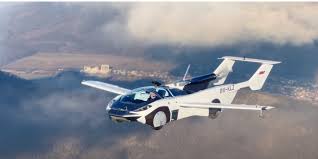
Flying cars are here—they’re electric vertical takeoff and landing (eVTOL) aircraft built specifically for cities. Each one carries 4–6 passengers, cruises at 100–150 mph, and runs nearly silent on electric power. They’ll fly 30–50 miles per charge, which covers most trips within a city. According to The Verge, manufacturers have spent years perfecting safety systems, backup controls, and autonomous flight tech.
The real breakthrough? The regulatory framework is finally catching up. We’ve had the aircraft for years—what changed is the FAA’s willingness to approve commercial operations at scale.
Real Costs and Operational Details
Expect to pay $200–$500 per trip for a typical 20–30 minute flight. That’s pricey, but operators say it’s comparable to executive helicopter rides. Vertiports don’t need much land, so they’ll fit in dense urban areas where traditional airports can’t.
Safety standards aren’t getting relaxed. The FAA requires the same rigorous maintenance and pilot certification as commercial airlines. Battery recycling and how we source electricity will shape whether this stays sustainable as it grows.
FAQ: What Travelers Need to Know
Q: Will flying cars replace Uber and Lyft?
Not anytime soon. They’re targeting wealthy passengers first. You’re looking at 5–10 years before costs drop enough for everyday use.
Q: Are they actually safe?
Absolutely. eVTOL aircraft go through the same safety certification as commercial jets. They’ve got backup systems and automatic failsafes that actually exceed standard aviation safety.
Q: Which cities get them first?
Los Angeles, San Francisco, and Dallas are set for summer 2026. Other cities will follow once their infrastructure is ready and the FAA gives the green light.


