NZ
 IND
 NAM
 IRE
 MOZ
 UGA
 Aston Villa
 Man City
 Rayo
 Elche
 GMB
 ZMB
 NGA
 LES
 Cagliari
 Bologna
 IPS1
 NFO1
 ALA1
 MCF1
 TOR3
 MON2
 BRE1
 NICE2
 TAS103/5 (20.2/35 ov, target 276)
 VIC304/7 (50 ov)
 WA
 NSW22/1 (4.2/50 ov)
 NZ-A135/3 (41 ov)
 IND-A113
 DHA
 RAJ
 MYMS
 CHATT
 RAN
 BAR
 SYL
 KHU
 MEX-W
 ARG-W
 UAE
 NED
 AFG170/3 (34.3/50 ov, target 170)
 ZIM169
 IND-W200/1 (27.1/50 ov, target 198)
 ZIM-W197
 DOLPH56/0 (3.5/8 ov, target 56)
 SWD51/4 (8/8 ov)
 WSW1
 BRI1
 Como
 Sassuolo
 Augsburg
 Union Berlin
 Cologne
 Schalke
 Mainz
 Bremen
 RB Leipzig
 Elversberg
 VFB2
 BMG3
 AHL4
 KHA1
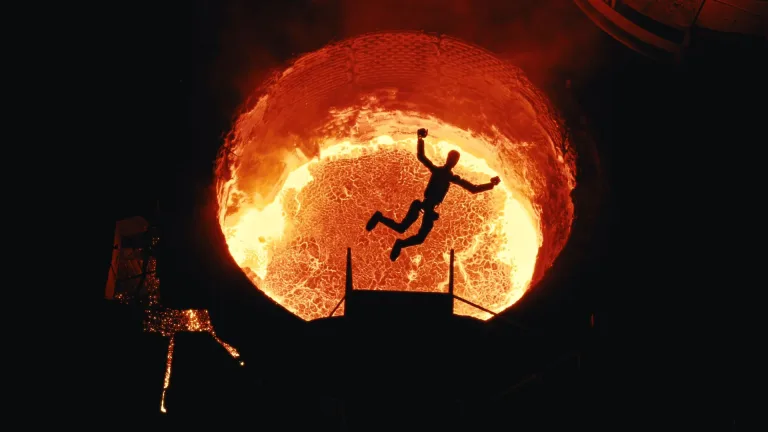
On Wednesday, September 30, 2026, Figure AI unveiled a plan to retrofit retired humanoid robots for underwater steel infrastructure work. With commercial deployment scheduled for January 15, 2027, and units starting at $185,000, the project marks a sharp pivot toward harsh industrial environments—though details remain unconfirmed.
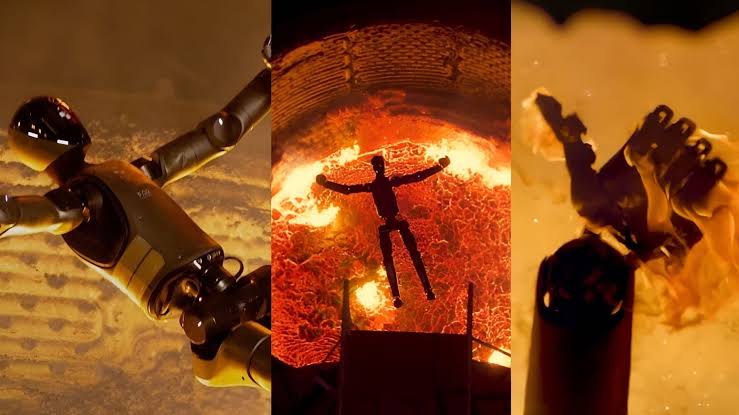
Figure’s September 30, 2026 Announcement
The announcement shifts retired robots from general-purpose humanoid duties toward steel diving, a setting that places unusual demands on processors, storage, battery systems, and mechanical protection. No specific steel facility, water depth, diving method, or customer has been identified in the supplied information. That leaves the industrial target clear, but the ope
Key Details: Processor, Storage and Battery
The modified humanoid hardware reportedly features a custom ARM-based octa-core processor paired with 64 gigabytes of LPDDR5 RAM. That combination gives the robot a defined onboard computing platform, but the available information does not identify the processor design, clock speed, AI accelerator, or software stack. Onboard storage is reportedly rated at 1 terabyte of NVMe solid-state storage.
For underwater operations, that capacity could hold sensor recordings, navigation data, maintenance logs, and locally processed visual material, although the project has not disclosed how much storage each task would consume or whether data would be transferred during a mission. The internal battery reportedly provides four hours of continuous operation under heavy underwater load. The four-hour figure is more useful than a general battery estimate because underwater work can impose sustained demands on movement and equipment. It also creates a clear operational limit: longer assignments would need battery replacement, charging, tethering, or a planned return cycle. The hardware profile reflects a move toward adapting existing robots instead of building a completely new platform. That approach resembles the wider industrial interest covered in Japan Unveils Robots, where deployment scale matters as much as laboratory capability. For more detail, see VentureBeat AI.
Context: Why Retired Robots Are Being Reused
Retired humanoids can offer an alternative to abandoning costly hardware after its first assignment. Reusing the platform may preserve its frame, motors, sensors, and control architecture, while the underwater conversion adds a new purpose. The supplied information does not state how many robots are being modified or why they were retired. The change also shows the tension between humanoid design and specialist robotics.
A human-shaped machine can potentially access spaces built for workers, but steel diving exposes it to water pressure, corrosion, restricted visibility, and difficult communications. The commercial value will depend on how much of the existing platform can survive that environment. This strategy arrives as companies continue to position humanoid robots for industrial work. Tesla’s plans for humanoid hardware, covered in Tesla Wants Robots, illustrate the broader focus on machines that can operate around equipment designed for people. Steel diving adds a harsher test because underwater reliability cannot be judged by movement demonstrations alone.
What’s Next for Figure’s Steel-Diving Units?
The next milestone is the scheduled January 15, 2027 commercial deployment launch. Before that point, enterprise customers will need verified information about environmental limits, task tools, operator controls, maintenance intervals, and what the $185,000 purchase includes. The four-hour heavy-load figure will also shape mission planning.
If the units operate without a tether, customers may need multiple robots to maintain coverage while one charges or receives maintenance. If a tethered setup is required, the system could gain continuous power and communication but lose some freedom of movement. The project’s future will depend on evidence from actual industrial deployments rather than the processor and storage figures alone. A successful conversion would show that retired humanoids can serve in specialised environments; a delayed launch or narrow task range would expose the limits of adapting general-purpose robots. The January 2027 deployment will reveal whether retired humanoids can move from factory floors to underwater steel work. For more detail, see OpenAI Blog.
FAQs: Steel-Diving Robots
What is the steel-diving robotics initiative?
This initiative modifies retired humanoid robots for underwater work involving steel infrastructure. The exact task type and ope
What hardware does the modified robot use?
The reported configuration includes a custom ARM-based octa-core processor, 64 GB of LPDDR5 RAM, and 1 TB of NVMe solid-state storage.
How long can the robot operate underwater?
The internal battery is reportedly rated for four hours of continuous operation under heavy underwater load.
When is commercial deployment scheduled?
Commercial deployment is scheduled for Friday, January 15, 2027.
How much does one unit cost?
Enterprise pricing starts at $185,000 per unit.
Was this article helpful?
Your feedback directly improves future articles on this site.