NZ
 IND
 NAM
 IRE
 MOZ
 UGA
 Aston Villa
 Man City
 Rayo
 Elche
 GMB
 ZMB
 NGA
 LES
 Cagliari
 Bologna
 IPS1
 NFO1
 ALA1
 MCF1
 TOR3
 MON2
 BRE1
 NICE2
 TAS129/7 (23.3/35 ov, target 276)
 VIC304/7 (50 ov)
 WA
 NSW38/1 (9/50 ov)
 NZ-A135/3 (41 ov)
 IND-A113
 DHA
 RAJ
 MYMS
 CHATT
 RAN
 BAR
 SYL
 KHU
 MEX-W
 ARG-W
 UAE
 NED
 AFG170/3 (34.3/50 ov, target 170)
 ZIM169
 IND-W200/1 (27.1/50 ov, target 198)
 ZIM-W197
 DOLPH56/0 (3.5/8 ov, target 56)
 SWD51/4 (8/8 ov)
 WSW1
 BRI1
 Como
 Sassuolo
 Augsburg
 Union Berlin
 Cologne
 Schalke
 Mainz
 Bremen
 RB Leipzig
 Elversberg
 VFB2
 BMG3
 AHL4
 KHA1

FIFA 24 isn’t just about jaw-dropping football realism—it’s also where controller design can make or break your experience. Over the years, we’ve moved from classic gamepads to today’s advanced controllers loaded with haptic feedback. That shift affects every tackle, feint, and free kick in ways you’ll notice the moment you play. And let’s be clear, this isn’t just hype.
FIFA 24 and Controller Innovation: Why the Old vs. New Debate Still Rages
Here’s the thing: in FIFA 24’s competitive arena, every click and flick matters. The old-school PlayStation DualShock 2 and early Xbox pads are legendary for a reason. They’re light, deliver almost no input lag, and just feel right in your hands. Players—pro and casual alike—still praise their simplicity and build, with IGN highlighting how these classic controllers let gamers focus on pure skill, not flashy features.
But take a look at what’s out there in 2026, and you’ll see controllers with adaptive triggers, gyroscopes, and dynamic vibration. When you’re playing FIFA 24, that tech lets you feel the difference between a gentle chip and a powerful drive. Sounds great, right? The catch is, some players complain about input lag and a steeper learning curve. That’s a tough pill to swallow, especially when quick reactions are everything in tight matches.
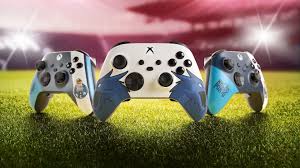
Durability is another hot topic. All those moving parts in modern controllers mean more things can go wrong. Old pads could take a beating and keep going, but today’s models often need repairs or replacements faster than most players would like. That’s a real headache if you’re in India, where official repair parts aren’t always within reach.
FIFA 24: How it’s Controller Advancements Reshape Competitive Play
Let’s get to the heart of it: does your controller change your game? You bet. With modern pads giving you haptic feedback and pressure-sensitive triggers, you can control every shot or dribble with way more precision than you ever could on those older designs. As PC Gamer notes, top streamers now prefer these high-tech controllers for those tiny, game-changing movements.
Here’s what a lot of folks miss, though: not every player welcomes these changes. Some say adaptive triggers tire out their hands during long sessions. And in India, where esports is booming, that added tech means higher prices and the hassle of making sure tournaments have enough of the latest controllers to go around.
For newcomers, all these extra features can feel a bit much. There’s a risk of information overload, especially if all you want is to jump in and play. Classic pads keep it simple—just plug in and get going, no instructions needed. And if you’re serious about performance, this change is just as big as what other genres have seen. You can see the same trend over in our Crimson Desert: RTX roundup.