There’s something almost poetic about a small-budget film rooted in folklore out-earning glossy, star-studded blockbusters. Over the last few years, Indian cinema has quietly proven that audiences aren’t just chasing spectacle — they’re chasing stories that feel like home. Tales of gods, guardians, and ancestral roots have turned into some of the biggest money-spinners in recent memory, and the numbers are hard to ignore.
Indian Box Office Numbers That Tell the Story
From Kantara’s thunderous ₹450 crore worldwide haul to Hanuman Ansh’s jaw-dropping return on a ₹2 crore budget, these films prove that spiritual and mythological storytelling isn’t a niche bet anymore — it’s a box-office goldmine.
| Film | Budget | Worldwide Collection | Return Multiple |
|---|---|---|---|
| Kantara | ₹16 cr | ₹450 cr | ~28x |
| Hanu-Man | ₹40 cr | ₹325 cr | ~8x |
| Hanuman Ansh | ₹2 cr | ₹155 cr | ~77x |
| Karthikeya 2 | ₹15 cr | ₹120 cr | ~8x |

Kantara: The Spirit That Started It All
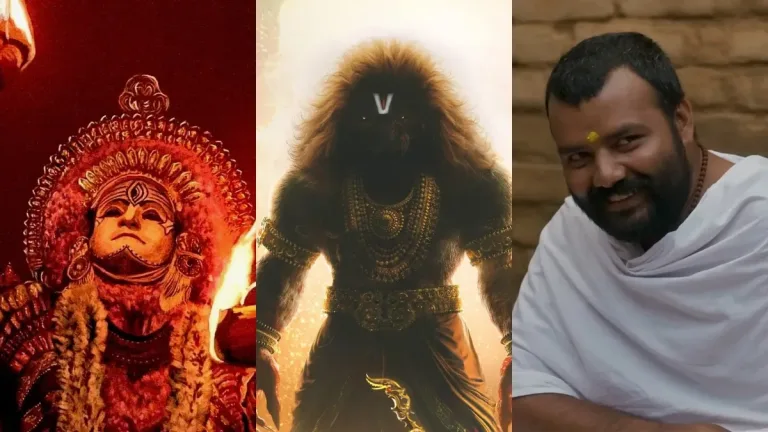
Made on a modest ₹16 crore budget, Kannada film Kantara became a cultural phenomenon, pulling in an astonishing ₹450 crore worldwide. Directed by and starring Rishab Shetty, the film draws from the Bhuta Kola ritualistic folk-worship traditions of coastal Karnataka, blending raw, earthy performances with a story about land, faith, and divine justice. What made Kantara resonate wasn’t CGI or star power — it was authenticity. Audiences across India, dubbed in multiple languages, connected with a story that felt deeply local yet universally emotional. Its success didn’t just break records; it opened the floodgates for filmmakers to trust regional folklore as a viable, even superior, box-office engine.
Hanu-Man: Superhero Meets Mythology
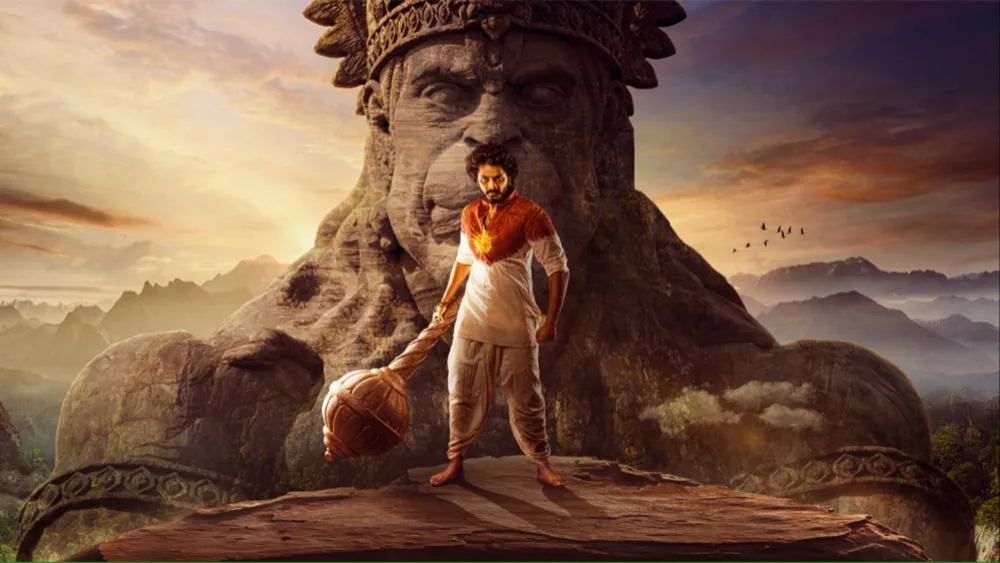
Hanu-Man, a Telugu film blending superhero tropes with devotion to Lord Hanuman, turned ₹40 crore into ₹325 crore. Directed by Prasanth Varma, the film follows a young man who gains Hanuman-like powers, wrapped in an origin story that echoes both comic-book universes and ancient scripture. It was a clever hybrid — modern VFX-driven action sequences layered over a deeply devotional core. The film’s success signaled that mythology doesn’t need to feel “old-fashioned”; when packaged with contemporary filmmaking sensibilities, it can pull in younger audiences who might otherwise skip a traditional devotional drama.

Hanuman Ansh: The Biggest Bang for the Buck
If there’s one film that defines “small budget, massive return,” it’s Hanuman Ansh. Made on a shoestring ₹2 crore, it collected ₹155 crore — a jaw-dropping return that few Bollywood productions, regardless of star cast, ever achieve. Positioned as a devotional biopic, the film leaned entirely into faith-based storytelling without the crutch of big-name actors or expensive production values. Its success is a reminder that in Indian cinema, devotion and word-of-mouth can outperform marketing budgets any day, especially when the story taps into genuine religious sentiment shared by millions.
Karthikeya 2: Reviving Ancient Mysteries
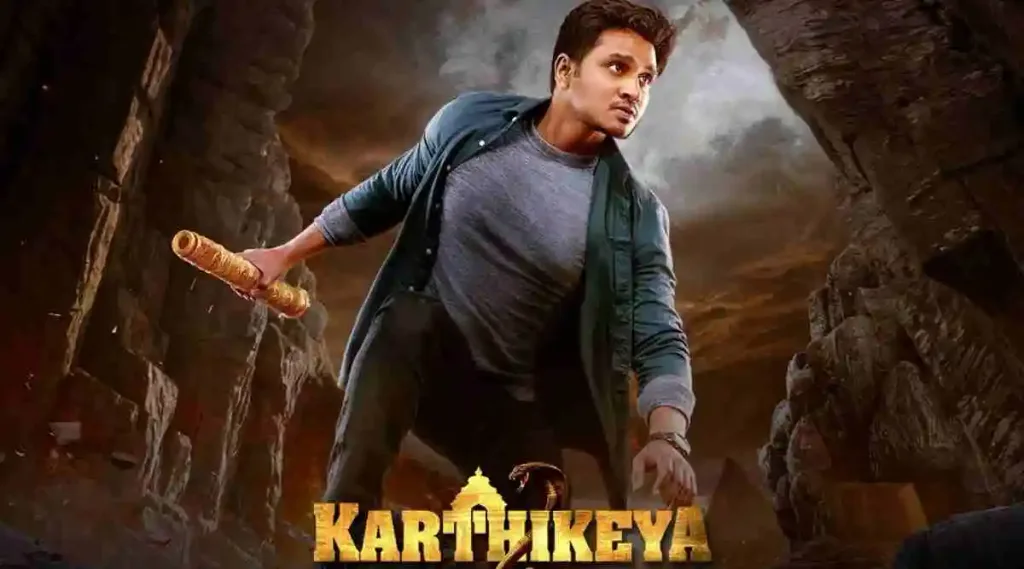
Karthikeya 2, a Telugu mystery-adventure centered around the search for Lord Shiva’s Rudraksha, turned a ₹15 crore investment into ₹120 crore. The sequel built on the cult following of its predecessor, mixing suspense, adventure, and spiritual symbolism in a way that appealed to families and younger viewers alike. Unlike straightforward devotional dramas, Karthikeya 2 used a treasure-hunt narrative structure, making mythology feel adventurous rather than purely reverential — a format that clearly struck a chord with audiences nationwide.
Why This Trend Is Here to Stay?
What ties these four films together isn’t just their box-office numbers — it’s their approach. Each one bet on rootedness over glamour, storytelling over scale, and cultural authenticity over formula. In an industry often criticized for chasing remakes and franchises, these films proved that Indian audiences are hungry for stories that reflect their own beliefs, folklore, and spiritual identity. As more filmmakers take note, expect mythology-driven cinema to become a mainstream, not niche, category in the years ahead. For more box-office trends and entertainment updates, check out TechnoSports.