NED
NED OMA
OMA NAM313/6 (49.3/50 ov)
 IRE
IRE PAK110
 SL15/0 (3/50 ov, target 111)
 SA140/0 (27 ov)
 AUS
AUS DHC0
DHC0 VIS0
VIS0 JDT0
JDT0 PORT0
PORT0 KYO1
KYO1 NEW2
NEW2 SHP1
SHP1 CAHN1
CAHN1 ABH
ABH ALF
ALF AFG
AFG ZIM
ZIM SAS
SAS LAZ
LAZ ROMA
ROMA CAG
CAG TOR
TOR COMO
COMO BAN
BAN WI
WI IND-W
IND-W ZIM-W
ZIM-W GOA
GOA SC Delhi
 NZ198/3
 IND199/4 (13.2/20 ov, target 199)
 Sevilla2
 Osasuna0
 PSG2
PSG2 Lyon0
Lyon0 Mohun Bagan1
 Chennaiyin0
 JER
JER KUW
KUW PNG
PNG QAT
QAT SIKM184
 NAGA187 & 46/4 (34 ov)
 JHK124/4 (45 ov)
 DELHI515/5d
 ODSA194
 SVCS13/0 (5 ov)
 BRODA485/8 (149 ov)
 J & K
J & K CHD685/5d (161 ov)
 HP
HP CGR178/6 (79 ov)
 AP231
AP231 JAB
JAB KAY
KAY DEN
DEN KENYA
KENYA POA
POA SPR
SPR BRB
BRB VAG
VAG BIK149 (19.3/20 ov, target 158)
 CHR157/3
 MIS147
 MOW107/9
 TOK111/5 (18.4/20 ov, target 108)
 LUL88/3 (9.5/20 ov, target 88)
 Milan
Milan Bologna
 Parma
Parma Udinese
 Venezia
 Inter Milan
 Flamengo3
 Atlético-MG2
 Coritiba0
 Grêmio1
 Santa Clara1
 Benfica2
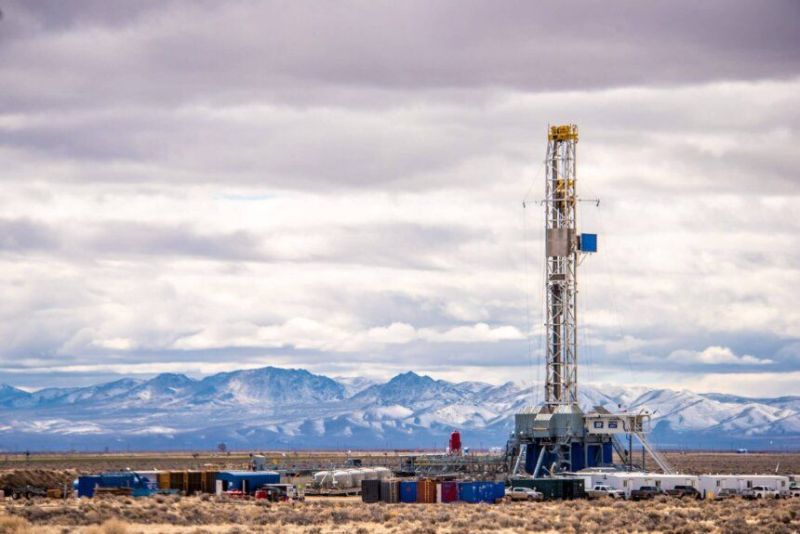
Enhanced Google has secured a massive clean energy boost by signing a pact to purchase 400 megawatts of geothermal electricity from Fervo Energy on Wednesday, September 2, 2026. The agreement targets the Cape Station power plant in Utah, which is slated to begin operations in 2028.
This commitment represents a strategic move to support new data center infrastructure while aligning with broader sustainability targets. We can see how this deal fits into the larger narrative of hyperscaler energy demands and the push for reliable baseload power.
What Exactly Does the Contract Cover?
The core agreement requires Google to commit to buying 400 megawatts from Fervo’s Cape Station facility. Beyond this baseline, the contract includes a critical expansion clause. Google holds the option to increase its procurement by an additional 600 megawatts anytime before June 30, 2030.
This structure provides Fervo with early revenue certainty while giving the tech giant flexibility to scale power purchases as its regional computing needs evolve. The staggered timeline allows both parties to manage construction risks and market fluctuations effectively.
| Parameter | Details |
|---|---|
| Initial Capacity | 400 MW committed |
| Expansion Option | Additional 600 MW available |
| Option Expiry | June 30, 2030 |
| Facility Location | Cape Station, Utah |
| Expected Online | 2028 |
Understanding these contractual mechanics leads us to consider why this specific technology matters now.
What Challenges Did enhanced google Face Before This Deal?
Google aims to achieve net-zero emissions across its entire value chain by 2030, a target that faces mounting pressure from explosive AI workloads. Earlier this year, the company announced a 933-megawatt natural gas agreement with Crusoe in Texas, which complicated its renewable energy accounting.
By locking in a large-scale geothermal supply, Google gains a carbon-free baseload source that directly offsets these fossil fuel dependencies. Unlike intermittent wind or solar, geothermal provides consistent output essential for running high-density compute clusters around the clock.
This shift signals a maturation in how hyperscalers balance immediate power hunger with long-term environmental promises. With the environmental benefits established, we must look at the sheer scale of what Fervo is building in Utah.
How Big Could Fervo’s Cape Station Become?
Fervo operates under a permit allowing development of up to 2 gigawatts at Cape Station, but engineering assessments suggest even greater potential. A third-party analysis indicated that the subsurface reservoir contains sufficient thermal energy to generate approximately 4 gigawatts of power.
Such growth demonstrates that enhanced geothermal systems can transition from niche experiments to utility-scale pillars of the American grid. These massive resource estimates raise questions about the financial viability of scaling such projects rapidly.
What Does This Mean For The Broader Market?
Hyperscalers are aggressively competing for new electricity sources to fuel their expanding data center footprints across the country. Google has historically been one of the largest corporate purchasers of clean energy globally, relying heavily on wind, solar, and battery storage.
However, the reliability requirements of modern AI training runs demand more stable power profiles than variable renewables alone can provide. This deal validates the commercial momentum behind advanced geothermal projects, encouraging further investment in drilling technologies and reservoir management.
It also pressures traditional utilities to innovate or partner with tech firms seeking direct clean energy access. Looking ahead, the success of this partnership will likely influence future energy procurement strategies industry-wide.
The bottom line is that Google’s 400-megawatt commitment transforms Fervo’s Cape Station from a local project into a national benchmark for clean baseload power. As AI infrastructure demands continue to outpace current renewable supply chains, this agreement proves that enhanced geothermal can deliver gigawatt-scale reliability without compromising decarbonization timelines. We expect similar multi-gigawatt contracts to emerge as other cloud providers seek firm, zero-carbon alternatives to natural gas peaker plants. The race to power artificial intelligence just got a serious green upgrade for enhanced google.
Related Articles
- Google AI Introduces Env Harness: A Prog Layer in 2026
- Google Is Reportedly on the Verge of Shipping a Coding-First AI Model
- Instagram Introduces New AI-Generated Profile Label for Enhanced Transparency
FAQs
When does the Cape Station plant come online?
The Cape Station power plant is expected to come online in 2028 according to the agreement details.
Can Google buy more power from Fervo later?
Yes, Google retains the option to purchase an additional 600 megawatts through June 30, 2030.
Does this deal affect Google’s net-zero goal?
This geothermal purchase supports Google’s net-zero target by providing substantial clean energy to offset recent natural gas commitments.
What is the maximum capacity allowed at Cape Station?
Fervo is permitted to develop up to 2 gigawatts at the site, though engineers believe the resource could support 4 gigawatts.
Was this article helpful?
Your feedback directly improves future articles on this site.