Do modern producers truly need the tangible warmth of vintage synthesizers when digital emulations are so readily available? We believe the answer lies not just in sound, but in sustainability and a tactile experience that newer tech simply can’t replicate. While new gear has its place, the practice of repurposing vintage synths offers both artistic depth and an eco-friendly approach, contrasting the ecological footprint of manufacturing new instruments. This isn’t just about nostalgia; it’s about a conscious choice in music production, a sentiment we also explored in our Enduring Vintage Guide.
The Resurgence: Why Analog Reigns Supreme in 2026
The appeal of vintage synthesizers has undeniably surged in 2026, driven by a renewed appreciation for their unique analog sound and the hands-on control they offer. Iconic models like the Moog Minimoog and Roland Jupiter-8, which first gained popularity in the 1970s and 1980s, are now more sought after than ever.
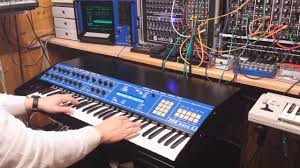
This resurgence is particularly evident in electronic music genres such as synthwave and retro-inspired pop, where producers actively seek the authentic warmth and character that only analog circuits can provide. It’s a clear signal that for many, the “feel” of an instrument is as crucial as its sonic output.
Modern producers are flocking to these classic machines, not just for their sonic palette, but for the tactile interface that encourages experimentation and creativity.
While software synthesizers offer convenience, they often fall short in replicating the organic imperfections and rich harmonics that define vintage analog sound. The real story here is about the pursuit of authenticity, something that resonates deeply with artists looking to differentiate their sound in a saturated digital landscape.
Industry Impact: Shaping the Sound of Contemporary Media
The impact of vintage synthesizers extends far beyond individual studio setups; they are actively shaping the soundscape of contemporary media. These instruments are frequently featured in film scores, TV soundtracks, and video game music, lending their distinctive tonal qualities to productions that aim for a timeless or retro aesthetic. This widespread integration speaks volumes about their versatility and continued relevance in a rapidly evolving industry.
Companies like Moog Music and Roland have taken notice, continuing to produce reissues and modern versions of their classic synthesizers, often integrating contemporary features while retaining the core analog sound.
This blend of old and new offers producers the best of both worlds, providing access to beloved sounds with modern reliability. The market for these instruments has seen significant growth, with some original models commanding tens of thousands of dollars at auction — a testament to their enduring value and collectibility.
The Economics Behind the Analog Obsession
The financial landscape surrounding vintage synthesizers is as compelling as their sound. The market has seen substantial growth, transforming these instruments into significant investments.
We’re talking about specific models selling for tens of thousands of dollars at auctions, reflecting not just their musical utility but also their historical and aesthetic significance for collectors. This isn’t merely about buying a piece of equipment; it’s about acquiring a slice of music history.
The real question is: how do these investments compare to the cost of digital alternatives? While digital emulations and software synthesizers are far more accessible, they often lack the “authentic analog warmth” that drives the premium pricing of vintage gear.
It’s a trade-off between cost, convenience, and an intangible sonic quality that many producers deem essential. The growing popularity of workshops and online tutorials dedicated to vintage synthesizer techniques also underscores a dedicated community willing to learn and invest in these unique instruments.
The Producer’s Perspective: More Than Just a Sound
For modern producers, embracing vintage synthesizers is about more than just achieving a specific sound; it’s a philosophical stance. It’s about connecting with the legacy of music production, understanding the origins of electronic sounds, and appreciating the craftsmanship that went into these machines.
Honestly, it changes your approach to composition. The limitations of analog hardware often spark unique creative solutions, pushing artists to innovate within a different framework. This deeper engagement, we believe, is a core part of their enduring allure.
FAQs
Why are vintage synthesizers so expensive?
Vintage synthesizers are expensive due to their rarity, historical significance, unique analog components, and the demand from collectors and producers seeking authentic sounds that digital emulations often struggle to replicate. Their limited production runs and robust build quality also contribute to their high value.
Do modern producers really need vintage synthesizers?
While modern producers can achieve many sounds with digital tools, many seek vintage synthesizers for their distinct analog warmth, tactile interfaces, and the unique sonic character that adds depth and authenticity to their music, especially in retro-inspired genres. It’s a creative choice, not a necessity, but one that offers tangible benefits.