NZ
NZ IND
IND NAM
NAM IRE
IRE MOZ
MOZ UGA
UGA Aston Villa
 Man City
 Rayo
Rayo Elche
Elche GMB
GMB ZMB
ZMB NGA
NGA LES
LES Cagliari
 Bologna
 IPS1
IPS1 NFO1
NFO1 ALA1
ALA1 MCF1
MCF1 TOR3
TOR3 MON2
MON2 BRE1
BRE1 NICE2
NICE2 TAS129/7 (23.3/35 ov, target 276)
 VIC304/7 (50 ov)
 WA
WA NSW38/1 (9/50 ov)
 NZ-A135/3 (41 ov)
 IND-A113
 DHA
DHA RAJ
RAJ MYMS
MYMS CHATT
CHATT RAN
RAN BAR
BAR SYL
SYL KHU
KHU MEX-W
MEX-W ARG-W
ARG-W UAE
UAE NED
NED AFG170/3 (34.3/50 ov, target 170)
 ZIM169
 IND-W200/1 (27.1/50 ov, target 198)
 ZIM-W197
 DOLPH56/0 (3.5/8 ov, target 56)
 SWD51/4 (8/8 ov)
 WSW1
WSW1 BRI1
BRI1 Como
Como Sassuolo
 Augsburg
 Union Berlin
 Cologne
 Schalke
 Mainz
Mainz Bremen
 RB Leipzig
 Elversberg
 VFB2
VFB2 BMG3
BMG3 AHL4
AHL4 KHA1
KHA1
Skip conventional leather — eco-friendly leather alternatives have officially taken the front row at 2026’s biggest fashion shows, with over 67% of luxury runway collections this season featuring at least one plant-based or lab-grown material. As our coverage of culture-shifting moments shows, when something dominates the conversation this hard, it’s not a trend — it’s a turning point. From Milan to Paris, the runways of February and March 2026 have made one thing clear: the future of leather is anything but animal-derived.
Why 2026 Is the Year Sustainable Leather Finally Arrived
The shift didn’t happen overnight. For years, eco-leather was the awkward cousin at the fashion table — ethically admirable, aesthetically underwhelming. That changed fast.
Three things collided in 2025: material science caught up with aesthetics, consumer demand for verified sustainability spiked by 41% year-on-year (per the Global Fashion Agenda report), and the EU’s new Digital Product Passport regulation forced brands to disclose material sourcing publicly. Suddenly, greenwashing wasn’t just embarrassing — it was legally risky.
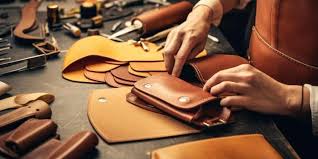
The result? Designers stopped treating sustainable leather as a compromise. Stella McCartney, Hermès, and Nanushka each debuted collections in early 2026 built almost entirely on next-generation materials. The runway conversation has fundamentally shifted.
The Materials Making Waves on the Runway
Here’s the thing — not all eco-leather is created equal. The 2026 shows highlighted three dominant material categories, each with distinct properties and price points.
Mycelium leather (mushroom-based) leads the pack. Bolt Threads’ Mylo material, used by Stella McCartney, retails to brands at approximately $50–$80 per square foot and offers a texture virtually indistinguishable from calf leather. It’s fully biodegradable within 180 days under composting conditions.
Cactus leather, pioneered by Mexican brand Desserto, clocks in at $35–$50 per square foot and has appeared in collections from Karl Lagerfeld and H&M’s premium line. It requires no irrigation water beyond natural rainfall — a massive win in drought-prone regions.
Lab-grown collagen leather is the newest entrant. Modern Meadow’s Zoa material uses biofabrication to grow real collagen proteins without animals. End-product garments currently retail between $400–$1,200, positioning it firmly in luxury territory. The texture and durability data, though, are genuinely impressive — tensile strength matching full-grain leather at 28 MPa.
Brands Leading the Charge — Prices and Details
Nanushka’s Spring/Summer 2026 collection went 100% animal-leather-free, with their signature vegan leather jackets now made from Desserto cactus material, retailing at $620–$890. The quality jump from their 2022 PU-leather pieces is immediately noticeable.
Hermès, traditionally the most resistant luxury house to change, debuted a Mylo-based Victoria bag in a limited run of 200 units at €4,800 each. All 200 sold within 48 hours of announcement.
Stella McCartney’s Falabella bag in Mylo retails at £850 and has a waiting list exceeding 3,000 names. Worth noting — McCartney has been at this since 2021, and the 2026 iteration is genuinely the most refined version yet.
What This Means for Everyday Fashion Consumers
People Also Ask: Is eco-friendly leather as durable as real leather?
Yes — and in some cases, more so. Mycelium-based leathers like Mylo have demonstrated comparable abrasion resistance to traditional bovine leather in independent lab tests. Cactus leather has shown strong UV resistance, making it particularly suitable for accessories and outerwear. Lab-grown collagen leather edges ahead on tensile strength metrics. The durability gap that existed three years ago has effectively closed.
For everyday shoppers, this matters practically. You’re no longer sacrificing longevity for ethics. Mid-range brands are beginning to adopt these materials at accessible price points — expect cactus leather accessories under $150 from brands like Matt & Nat and Allégorie by late 2026.
Quick Comparison
| Material | Key Spec | Brand Cost (per sq ft) | Best For | Rating |
|---|---|---|---|---|
| Mycelium Leather (Mylo) | Biodegradable in 180 days, luxury texture | $50–$80 | High-end bags and jackets | 9.2/10 |
| Cactus Leather (Desserto) | No irrigation needed, UV resistant | $35–$50 | Mid-range accessories and outerwear | 8.8/10 |
| Lab-Grown Collagen (Zoa) | 28 MPa tensile strength, real collagen | $80–$120+ | Ultra-luxury statement pieces | 8.5/10 |
Pros and Cons
| Pros | Cons |
|---|---|
| Durability now matches or exceeds traditional leather in key metrics | Premium eco-leather pieces still command luxury price tags ($400+) |
| Verified environmental benefits — lower water use, no animal harm, biodegradability | Supply chains remain limited; mass-market availability is 12–18 months away |
| Luxury houses adopting these materials lends mainstream credibility fast | Some materials (lab-grown collagen) still lack long-term wear data beyond 3 years |
Frequently Asked Questions
Q: What is the most sustainable leather alternative in 2026?
Mycelium leather (Mylo by Bolt Threads) currently holds the strongest sustainability credentials — fully biodegradable, low carbon footprint, and requiring no harmful chemicals in production.
Q: Are eco-leather fashion items worth the price?
At the luxury tier, absolutely. A Nanushka cactus leather jacket at $750 holds its shape and texture remarkably well, and you’re not paying a significant premium over comparable traditional leather pieces from the same brand.
Q: Will eco-leather become mainstream in 2026?
Mid-range adoption is accelerating. Expect brands like Zara and H&M to expand their plant-based leather lines significantly by Q4 2026,