For years, Indian theatres viewed lengthy films as a commercial compromise. Every additional minute meant fewer screenings, tighter scheduling, and reduced revenue-generation windows. But this calculation is fundamentally changing. Films like Dhurandhar, with its 3 hour 34 minute runtime, and Dhurandhar: The Revenge at 3 hours 49 minutes are proving that the old equation no longer applies.
The shift reflects a broader transformation in how Indian exhibitors assess theatrical business. What matters now is not how many shows a theatre can squeeze into a day, but how many packed houses each show can generate. In the current theatrical economy, a full screening is proving far more valuable than multiple sparse ones.
Devang Sampat, managing director of Cinépolis India, explains the new thinking: “The assumption that fewer shows automatically means lower revenue is outdated. The question is never how many shows you can fit. It is how much demand each show generates.”
Table of Contents
Occupancy Over Scheduling Math
The distinction marks a fundamental shift in how theatres evaluate long-form event cinema. A three-hour film reduces daily screenings, but if those screenings drive high occupancy rates, the yield per show can compensate substantially. The business case for longer films now depends on whether they can function as genuine events.

Akkshay Rathie, director at Aashirwad Theatres, articulates this bluntly: “There’s no point in having an overdose of shows if we can’t generate occupancy. The figure we should focus on is the footfalls.”
This thinking reflects changing audience behavior in the streaming era. Theatrical moviegoing increasingly demands scale, immersion, and occasion. Films must justify not just their ticket price but the decision to leave home. For many audiences, longer runtimes are not deterrents if the payoff feels substantial.
The Evolution of Blockbusters
| Film Title | Release Year | Runtime | Genre | Box Office Status |
|---|---|---|---|---|
| Dhurandhar | 2025 | 3 hr 34 min | Spy Thriller | Record Breaking |
| Dhurandhar: The Revenge | 2026 | 3 hr 49 min | Spy Thriller | Record Breaking |
| Pushpa 2: The Rule | 2024 | 3 hr 20 min | Action Drama | Blockbuster |
| RRR | 2022 | 3 hr 2 min | Action Drama | Global Success |
| Animal | 2023 | 3 hr 21 min | Action Drama | Blockbuster |
| Border 2 | 2026 | 3 hr 20 min | Action Drama | Blockbuster |
Revenue Implications Beyond Ticket Sales
Longer films create opportunities extending far beyond admissions. When viewers occupy auditoriums for three or more hours, the cinema outing transforms from a quick experience into a leisure block. This translates into stronger food and beverage sales, a crucial revenue stream for modern multiplexes.
Sampat notes: “When someone is in a cinema for three hours, the likelihood of a second order goes up.” This extended dwell time means higher per-patron spending, partially offsetting revenue lost from reduced daily screenings.
However, the economics are not entirely frictionless. Fewer shows limit scheduling flexibility, creating vulnerability when films underperform. A long film that fails can lock up screens while restricting theatres’ ability to optimize playtimes or pivot quickly to stronger content.

The real risk, as Sampat emphasizes, lies in execution: “The risk is not runtime. The risk is a long film that does not deliver on its promise.”
Financial Trade-offs and Compensation
Raj Bansal, a Jaipur-based multiplex owner, frames the economics in commercial terms: “It affects the revenue by about 15 percent. But if you make a lengthier film and if it is successful, you can hike the price by 15 to 20 percent because it’s a lengthier film, you’ll get less showcasing. So it compensates that way.”
This pricing flexibility represents a critical offset to reduced showcasing. Longer, high-demand films generate premium pricing power, recovering revenue lost through fewer daily screenings.
Theatre Economics: Shows vs Occupancy
| Factor | Impact on Shorter Films | Impact on Longer Films |
|---|---|---|
| Daily Screenings | Higher Volume | Lower Volume |
| Occupancy Rates | Variable | Typically Higher |
| Revenue Per Show | Lower | Higher |
| Food & Beverage Sales | Lower | Higher |
| Scheduling Flexibility | Higher | Lower |
| Risk Factor | Lower | Higher |
| Pricing Power | Standard | Premium |
Historical Context and Industry Perspective
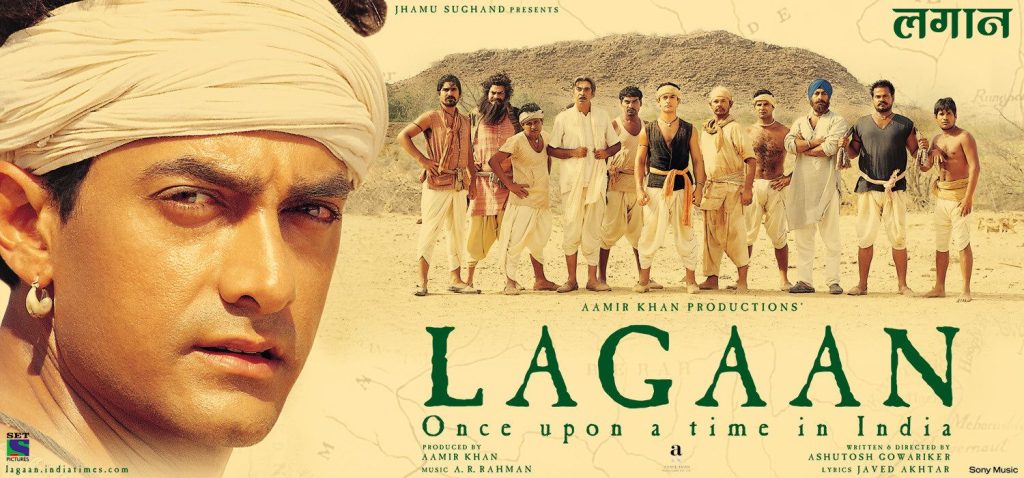
Bansal suggests the current wave represents less a new trend than a return to Indian cinema’s original grammar. Historical epics like Mughal-e-Azam (1960, 3 hours 17 minutes), Sholay (1975, 3 hours 24 minutes), and Lagaan (2001, 3 hours 44 minutes) demonstrate that Hindi cinema was historically built on sprawling, immersive storytelling. The shorter multiplex-era film, he argues, was a commercial correction rather than cinema’s natural default.
Recent South Indian spectacles accelerated this correction. Films like Pushpa: The Rule and RRR demonstrated that audiences would not only tolerate longer runtimes but actively reward films expansive enough to command their time.
The Eventization Factor
The critical lesson emerging from theatrical success is that audiences do not reject length. They reject films that fail to justify it. For exhibitors, this changes the conversation entirely. The question is no longer whether three hours is too long, but whether the film is compelling enough to turn those hours into a must-watch outing.
In a theatrical marketplace increasingly dependent on eventization, this distinction proves paramount. A shorter film offers more shows. A longer one, if executed successfully, offers something more valuable: a phenomenon capable of driving consistent packed houses and premium spending.
This shift represents a fundamental reset in how Indian theatres approach programming strategy, moving away from volume-based revenue models toward event-driven business practices.
Read More: After Dhurandhar 2, Aditya Dhar and Ranveer Singh Eye Historic Epics and Sports Drama
FAQs
Why are theatres now accepting 3-hour films when they previously resisted them?
The shift stems from changed audience behavior in the streaming era. Packed shows generating high occupancy are now more valuable than multiple sparse screenings. If a long film drives strong attendance and high per-show yield, it compensates for fewer daily screenings, making it economically superior to shorter films with lower occupancy rates.
How do longer films impact theatre revenue beyond ticket sales?
Longer runtimes increase food and beverage spending significantly. When audiences occupy auditoriums for three or more hours, they are more likely to make multiple concession purchases, treating the outing as a leisure block rather than a quick experience, thereby boosting overall per-patron spending.
What is the main risk associated with programming longer films in theatres?
The primary risk is not the runtime itself but programme failure. A long film that underperforms can lock up screens while restricting theatres’ ability to adjust showtimes or quickly pivot to stronger content. The reduced scheduling flexibility creates financial vulnerability if the film does not deliver on audience expectations.
Can theatres offset revenue losses from reduced screenings of longer films?
Yes, through premium pricing. Successful longer films justify 15 to 20 percent price hikes, compensating for the approximately 15 percent revenue loss from fewer daily screenings. Additionally, higher occupancy rates and increased concession spending further offset the impact of reduced show count.
Is the current trend of longer blockbusters a new phenomenon in Indian cinema?
No, it represents a return to Indian cinema’s original storytelling format. Classic films like Lagaan (3 hours 44 minutes), Sholay (3 hours 24 minutes), and Mughal-e-Azam (3 hours 17 minutes) demonstrate that sprawling, immersive narratives have long been central to Hindi cinema. The shorter multiplex-era films were a commercial correction, not cinema’s natural default.