PAK80/4 (14.1/50 ov, target 242)
 ENG241
 IND-W328/6
 ZIM-W60/1 (12.3/50 ov, target 329)
 INT0
INT0 FIO0
FIO0 CHU2
CHU2 PFC2
PFC2 FOR0
FOR0 EXC0
EXC0 Hibernian1
 Celtic1
 NGA
NGA UGA
UGA ATH
ATH GET
GET MEX-W
MEX-W ARG-W
ARG-W CRY
CRY NEW
NEW HUL
HUL BRE
BRE LIV
LIV BHA
BHA MAN
MAN BOU
BOU ATA
ATA FRO
FRO MOZ110/7 (19/20 ov, target 110)
 ZMB109/9
 GMB112/9
 LES109 (19.5/20 ov, target 113)
 UAE244/8
 NED245/7 (43.5/50 ov, target 245)
 DEN
DEN PNG
PNG KENYA
KENYA JER
JER MOUNT185
 TUSK87/3 (20.3/50 ov, target 186)
 ROCKS147/4 (28.5/50 ov, target 287)
 EAGLE286/7
 LIMWn
LIMWn NW-W
NW-W NCWmn
NCWmn FsWm
FsWm BOL36/3 (5.3/20 ov, target 138)
 TITNS137/8
 EASTN
EASTN SA-EM131/8 (17.4/20 ov)
 KZNIN164/3 (17/17 ov)
 WPR66/1 (6/17 ov, target 167)
 NWEST22/3 (3.1/20 ov, target 181)
 NCAPE180/3
 MIS
MIS VAG
VAG BRB
BRB MOW
MOW TOK
TOK SIKM
SIKM NAGA
NAGA JHK
JHK DELHI
DELHI GEN
GEN VEN
VEN MON
MON LILL
LILL Atlético1
 Deportivo0
 Lazio2
 Parma1
 Lens2
Lens2 Paris FC1
 Al Riyadh2
 Al Taawoun1
 Chelsea0
 Spurs2
 Valencia1
 Villarreal2
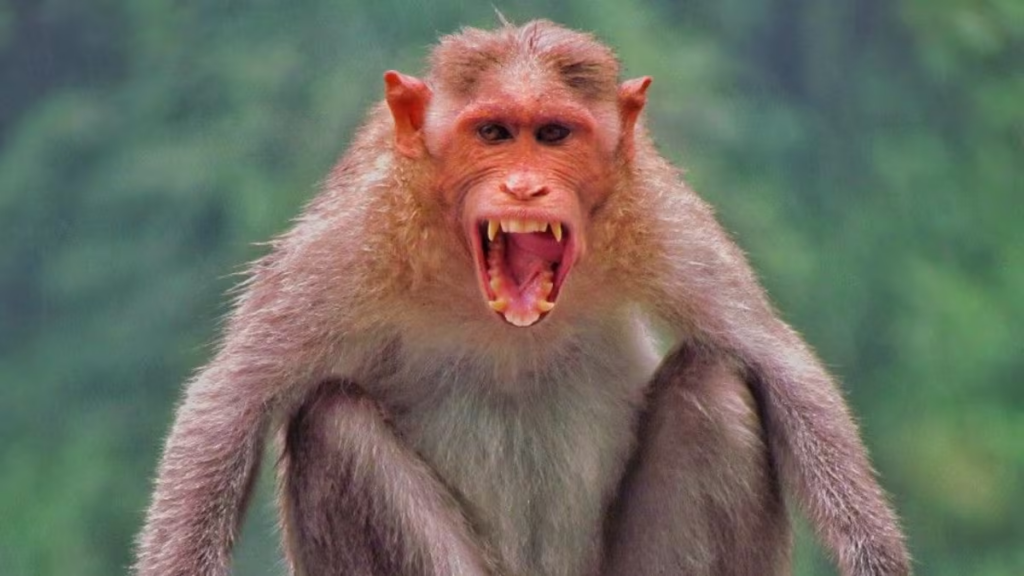
The Delhi Vidhan Sabha is facing a persistent monkey menace — simians invading the assembly complex, disturbing infrastructure and even entering the House during sessions. To tackle this unique problem, officials are trying something truly unusual: hiring humans who can mimic langurs to scare away monkeys. T
Here’s a compact, engaging, easy-to-read breakdown of the plan, why it’s happening, and how it works, complete with a clear table and handy FAQs to keep you informed.
📊 Monkey Control Plan at a Glance
| Aspect | Details |
|---|---|
| Issue | Persistent monkey menace at Delhi Assembly complex |
| Approach | Hire trained langur-sound mimics |
| Authority | Delhi Public Works Department (PWD) |
| Tender Cost | ₹17.5 lakh |
| Deployment | 5 langur mimics/day (Mon–Fri), 2 on Sat |
| Shift Duration | 8-hour shifts |
| Performance Monitoring | Sound authenticity & effectiveness |
| Penalty | ₹1,000/day absence |
| Method | Mimic langur calls + humane deterrence |
| Reason for Choice | Real langurs banned → sound mimicry is humane and non-harmful |
🧠 Why This Plan Is Happening
🐵 Growing Monkey Menace
Monkeys have become a daily nuisance at the Delhi Assembly, tampering with wires, antennas, and occasionally entering the legislative chamber — raising safety concerns for lawmakers, staffers, and visitors.
🐒 Langurs as Natural Deterrents
Traditionally, real langurs have been used in parts of India to keep monkeys at bay because monkeys instinctively fear them. However, the use of live langurs in urban areas has been banned since 2012 under environmental guidelines, forcing authorities to look for humane alternatives.
🎭 Human Mimicry to the Rescue
The current solution? Hiring people who can mimic langur sounds convincingly to “scare” the monkeys without harming them. A fresh tender was floated by the PWD to find skilled individuals who can perform langur calls effectively during daily shifts.
Officials also plan to bring a real langur along occasionally to improve the impact of mimicry, as researchers suggest combinations of visual and audio stimuli can strengthen deterrence efforts.
🤹♂️ What Makes This Plan Unique
This monkey control strategy stands out as:
- Humane: No harm done to animals.
- Innovative: Blends local wildlife knowledge with creative employment.
- Performance-Based: Mimicry talent will be tested and monitored.
- Public Safety Focused: Aims to reduce infrastructure damage and safety risks.
Interestingly, this isn’t the first time such mimicry tactics have been considered — they were also referenced in the 2019 satirical film Eeb Allay Ooo! about a man employed to keep monkeys away from government buildings. Wikipedia
❓FAQs
Q1: Why is the Delhi Assembly hiring langur mimics?
The assembly is hiring trained people to mimic langur calls to humanely scare monkeys away because real langurs are banned and other deterrents like cutouts have failed.
Q2: How does the plan work?
Selected langur-sound experts will work daily shifts, using realistic mimicry — alongside occasional real langurs — to deter monkeys from entering the Vidhan Sabha premises.