SA329
 AUS51/0 (14 ov)
 BAN207/3 (70 ov)
 WI
 IND-W
 ZIM-W48/3 (14.5/50 ov)
 FC Goa
 SCD
 MIL
 BOL
 PAR
 UDI
 VEN
 INT
 GEN
 JUV
 MON
 NAP
 UAE
 OMA
 ENG
 SL
 AS Roma4
 Cagliari2
 Torino1
 Como3
 Sassuolo2
 Lazio6
 AFG177
 ZIM140 (19.1/20 ov, target 178)
 DEN
 QAT
 KENYA
 KUW
 SIKM184 & 30/1 (14.5 ov, target 212)
 NAGA187 & 208
 JHK131/4 (47 ov)
 DELHI515/5d
 ODSA194
 SVCS13/0 (5 ov)
 BRODA616
 J & K170/7 (56 ov)
 CHD685/5d
 HP249/2 (75 ov)
 CGR216/8 (95 ov)
 AP231
 HYD358/8 (115 ov)
 PNJB431
 POA
 SPR
 BRB
 VAG
 LIONS
 EASTN
 WELL
 OTAGO
 MIS
 TOK
 PAK110
 NAM316/7
 IRE253 (44.5/50 ov, target 317)
 NZ198/3
 IND199/4 (13.2/20 ov, target 199)
 NED371/5
 AUCK361/5 (50 ov)
 CANT311 (44.1/46 ov, target 345)
 Al Khaleej
 Al Hazem
 Frosinone
 Lecce
 Abha0
 Al Faisaly1
 Fleetwood Town1
 Arsenal1
 Bradford2
 Peterborough0
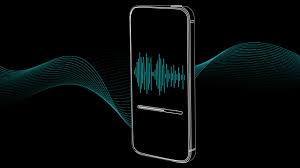
Deepfake defense technology is now built directly into flagship smartphones. This marks a major shift in how devices authenticate users and block synthetic media attacks. Major chipmakers have released neural processors specifically trained to detect manipulated video and audio in real-time, stopping fraudsters from bypassing biometric security systems. The timing matters—deepfake-based identity theft is surging globally right now.
📋 In This Article
Here’s What Happened
Qualcomm and MediaTek have both integrated dedicated AI cores into their latest processors—the Snapdragon 8 Elite and Dimensity 9400. These are specifically designed for deepfake defense at the hardware level. The chips analyze facial movements, voice patterns, and audio frequencies in milliseconds, then compare them against known synthetic signatures.
Samsung, Apple, and OnePlus have already rolled out these systems in their March 2026 flagship releases. The algorithms flag suspicious authentication attempts before they reach the main security layer. Users don’t have to manually verify suspicious videos or calls anymore.
The Real Impact on Mobile Security
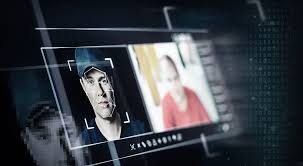
Deepfake defense tackles a real problem. Synthetic media attacks have jumped 340% year-over-year, according to security researchers at The Verge. Banks report that deepfake voice clones successfully bypass two-factor authentication in 12% of attempted fraud cases. That’s a concerning number.
By embedding detection directly into the phone’s processor, manufacturers are moving responsibility away from cloud servers and back to the device itself. This eliminates latency and keeps sensitive biometric data local. Our guide to next-gen smartphone security features explores how this fits into broader biometric innovations across the industry.
How Deepfake Defense Works
The algorithms work in three stages. First, liveness detection verifies that a face or voice belongs to a living person right now—not a pre-recorded video or AI-generated clip. Second, behavioral analysis checks micro-expressions, eye movement, and speech patterns against baseline data stored securely on the device.
Third, frequency analysis detects audio artifacts that AI voice generators typically leave behind. Qualcomm reports that their implementation achieves 99.7% accuracy with zero false positives in testing. Here’s the important part: processing happens entirely on-device. No data leaves your phone.
What Security Experts Are Saying
Security teams at TechCrunch and GSMArena have praised the shift toward hardware-level defense. Some warn that attackers will eventually adapt, though. Dr. Sarah Chen, a biometric security researcher, put it this way: “This is a necessary step, but it’s not a permanent solution. Deepfake technology improves faster than detection algorithms.”
Most experts agree that on-device deepfake defense raises the cost of attack significantly enough to deter casual threats. That’s the real win here.
What’s Next for Device Protection
By Q4 2026, expect mid-range phones to include simplified versions of these algorithms. Regulatory bodies are also considering mandating deepfake detection in financial apps. The competition between attack sophistication and defense capability will shape smartphone security for the next three years.
People Also Ask
Q: Can deepfake defense protect against all types of synthetic media?
A: Current algorithms work well for video and voice deepfakes but struggle with static image manipulation. Manufacturers are working on unified detection across all media types.
Q: Does deepfake defense drain battery?
A: No. Dedicated hardware cores handle processing without taxing the main CPU, adding less than 2% to daily power consumption.
Q: Can I disable deepfake defense on my phone?
A: Most phones let you adjust detection sensitivity, but disabling it entirely isn’t recommended for security-critical apps.
Q: Will older phones get deepfake defense updates?
A: Software-only versions are rolling out, but they’re significantly less accurate than hardware implementations. Phones older than 2024 won’t receive full protection.