MBSG0
 CFC0
 NEF1
 ITT1
 PSG
 LYON
 SEV
 OSA
 NED
 OMA
 NZ
 IND
 NAM
 IRE
 PAK
 SL
 SA
 AUS
 Abha
 Al Faisaly
 Barcelona1
 Real Madrid2
 Udinese0
 Milan2
 Real Sociedad2
 Levante1
 Lecce0
 Juventus2
 MOW107/9 (20 ov)
 TOK
 NZ-A317
 IND-A113 & 488/8 (119 ov)
 SYL575/4 (167.3 ov)
 KHU
 MYMS465/7d
 CHATT424/6 (121 ov)
 DHA521
 RAJ162 & 215/5 (59.1 ov) (f/o)
 RAN402 & 5/0 (2.3 ov)
 BAR443/9d
 SIKM30/1 (15 ov)
 NAGA187
 JHK
 DELHI309/5 (90 ov)
 ODSA194
 SVCS13/0 (5 ov)
 BRODA259/6 (86 ov)
 J & K
 CHD363/2 (87 ov)
 HP
 CGR35/1 (14 ov)
 AP231
 BRB
 MIS
 BIK
 CHR
 JER
 KUW
 MEX-W51 (12.5/20 ov, target 187)
 ARG-W186/7
 NGA148
 UGA147/9 (20 ov, target 149)
 GMB112/9
 LES109 (19.5/20 ov, target 113)
 MOZ110/7 (19/20 ov, target 110)
 ZMB109/9
 IND-W328/6
 ZIM-W207 (48.5/50 ov, target 329)
 ENG241
 Sassuolo
 Lazio
 AS Roma
 Cagliari
 Torino
 Como
 BES
 IBFK
 CAY
 TRAB
 Sunderland0
 Leeds0
 Freiburg1
 Bayern3
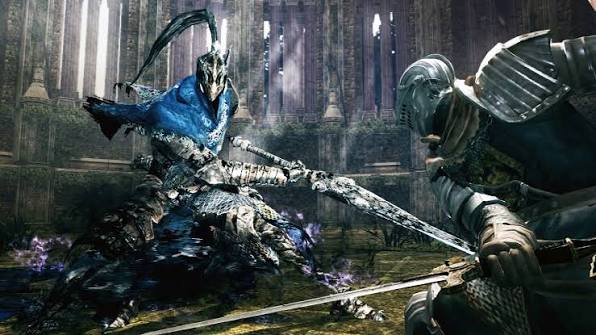
The Dark Souls Artorias boss fight reportedly carries an 89 out of 100 Metacritic score for the original PlayStation 3 version, placing Sir Artorias the Abysswalker among the most discussed encounters in FromSoftware’s action role-playing game. The fight takes place in Oolacile Township and arrived with the Artorias of the Abyss downloadable content in October 2012.
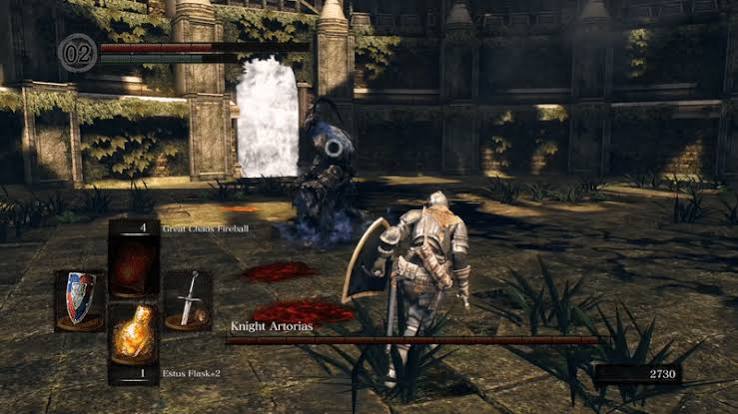
What is the Dark Souls Artorias boss fight?
Sir Artorias the Abysswalker is a corrupted knight encountered in the Oolacile Township area. FromSoftware developed Dark Souls, while Namco Bandai Games published it worldwide. The original console version was released for PlayStation 3 and Xbox 360 in Japan on September 22, 2011, and the Windows edition followed in North America on August 24, 2012.
The boss encounter is built around momentum. Artorias attacks with a massive greatsword, closes distance quickly, and punishes healing attempts that are not protected by spacing or terrain. His moveset rewards patience, because attacking after every animation can leave players trapped inside the next combo.
How does Artorias’ first phase work?
The opening phase tests recognition rather than raw damage. Artorias uses horizontal sword swings, lunges, jumping attacks, and a forward somersault that can reposition him across the arena. The safest response is to stay near his side or rear without standing directly behind him, since several attacks can turn into follow-up strikes.
His charge deserves particular attention. Artorias lowers his stance before surging forward, giving players a brief visual cue to roll sideways rather than backwards. A backward roll can still leave the player inside the greatsword’s reach, especially when equipment load slows recovery. The boss also creates pressure through irregular timing. Some attacks arrive immediately, while others include a short pause designed to catch an early dodge. Players should watch the weapon and shoulder movement instead of relying on a fixed rhythm.
What changes when Artorias powers up?
The fight’s major transition begins when Artorias retreats and starts charging the Abyss around himself. This animation is dangerous because it gives him a substantial offensive boost if allowed to finish. Players can interrupt the charge with repeated attacks, turning aggression into a defensive tool.
That decision creates the central tactical question: should players attack during the charge or retreat to safety? Interrupting it is usually the stronger option for builds with quick weapons, while slower weapons may need careful positioning before committing. The attempt becomes riskier when Artorias is already close to the arena wall. After powering up, his sword attacks cover more space and punish late rolls more severely. His leap and rushing attacks become particularly threatening because they can cross the arena before a player has time to heal. Shield users can block selected strikes, but stamina loss and chip damage make repeated blocking unreliable.
Which mechanics decide the battle?
| Mechanic | Player response | Main danger |
|---|---|---|
| Greatsword combo | Roll toward the safer side | Delayed follow-up swing |
| Forward charge | Dodge sideways | Long reach and fast recovery |
| Somersault attack | Wait for the landing | Early roll timing |
| Abyss charge | Interrupt with focused attacks | Permanent offensive pressure |
| Healing window | Create distance first | Immediate gap-closing strike |
The arena has enough open space for evasive play, but hugging the outer edge creates its own problem. Artorias can pin players against the boundary, removing the room needed to read his lunges. Staying near the centre makes his attacks easier to identify and gives rolls more direction.
Build choice changes the margin for error. Fast weapons can punish the charge and retreat quickly, while heavy weapons can exploit recovery windows but demand stricter timing. Ranged attacks offer distance, yet Artorias’ leap and rush reduce the safety of simply backing away.
What does the encounter mean for Dark Souls?
The Dark Souls Artorias boss fight remains important because it turns a legendary warrior into a mechanical study of corrupted momentum. The Artorias of the Abyss expansion was later included in Dark Souls: Remastered, which was released for PC, PlayStation 4, and Xbox One on May 25, 2018, followed by a Nintendo Switch version on October 19, 2018. For more detail, see Destructoid.
The remastered release keeps the encounter’s core structure intact. That means players approaching it on modern platforms still face the same lesson: damage is secondary to reading commitment, controlling distance, and denying the Abyss charge. The next generation of Soulslike bosses will continue borrowing this pattern of escalating pressure. Artorias shows why a fight can remain memorable without relying on a complicated arena or a long list of mechanics. One clean interrupt can matter more than an entire damage build when facing Artorias.
FAQs
Where is Sir Artorias found?
Sir Artorias the Abysswalker is found in the Oolacile Township area as part of the Artorias of the Abyss content.
What is Artorias’ most dangerous mechanic?
His Abyss charge is the key danger because completing it increases his offensive pressure for the rest of the battle.
Should players stay close to Artorias?
Players should remain close enough to read his attacks but avoid standing directly behind him or allowing the arena wall to limit escape routes.
Is Artorias included in Dark Souls: Remastered?
Yes. The encounter is included in Dark Souls: Remastered for PC, PlayStation 4, Xbox One, and Nintendo Switch.
Was this article helpful?
Your feedback directly improves future articles on this site.