A 2025 adolescent pace-bowling study found coaches can use readily available technology to assess run-up, delivery stride, front-leg action, body alignment, and non-bowling arm action to improve performance.
Here’s the thing: if you only work on ball contact and fitness, your swing and speed will keep plateauing—because mechanics are where pace gets built and swing gets unlocked.
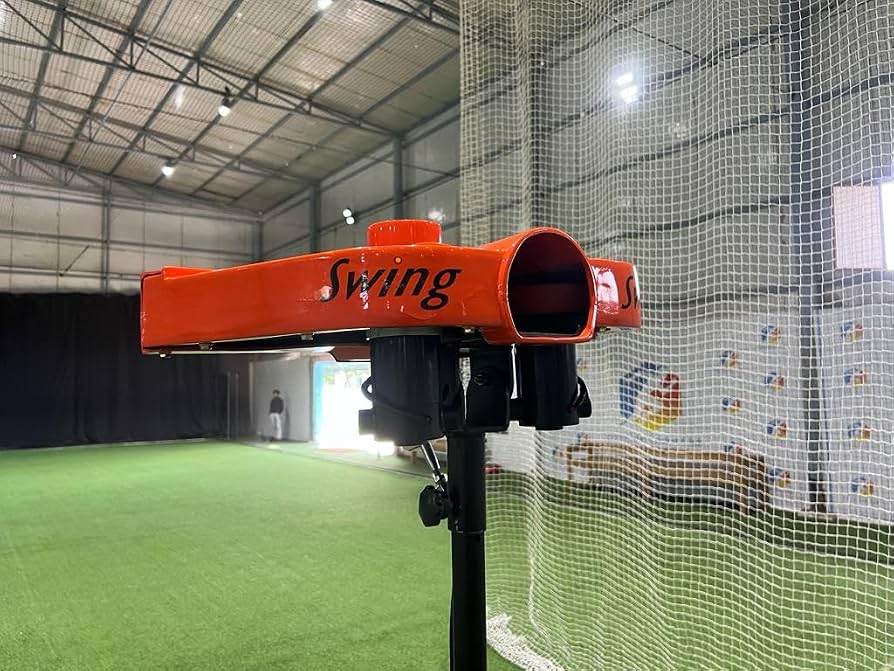
Comparison: How the Best Training Aids Target Pace and Swing
The right cricket training aids won’t just “add pace.” They help you repeat the same bowling actions at speed, then refine grip, wrist position, and seam control for swing. Sportplan’s fast-bowling guide points to run-up momentum, hip–shoulder separation, and arm speed as key mechanics for gene
Analysis: What Works Best for Developing Pace vs Learning Swing
For developing pace, evidence supports adding controlled speed-oriented resistance—not random extra gym work. A 2022 systematic review found a small but non-significant increase in ball speed after modified ball-weight training, with SMD = 0.30. One 4-week combined resistance program recommended about 40 balls per week, using 10–15% weighted implements, and it framed the approach as cost-effective for club-level pace bowlers.
The same study noted the program used only weighted balls and a 3 kg medicine ball, which can fit better into grassroots training schedules. For swing, the limitation is usually not arm strength; it’s how reliably you deliver seam and wrist angles. Sportplan’s guide makes this practical: swing depends on grip, wrist position, and seam control, across outswing, inswing, and reverse swing. If those elements are inconsistent, a fast bowler may keep landing similar speeds but lose swing—and that costs wickets in the same way economy costs runs. That said, swing practice becomes much easier when you can rehearse options on cue. Bowling machines such as BOLA can simulate swing and seam in either direction and can be cranked up to Test-match speeds for practice. For programmability, PCB’s TruMan 3 bowling machine can be set for pace, line, length, swing, bounce, and delivery height—so you can train “shape” without waiting for ideal conditions.
Recommendation: What to Choose for Your Net Session
If you’re building a pace base, start with the aid that helps you repeat mechanics under constraints.
The 2025 adolescent pace study supports using available technology to check run-up, stride, front-leg action, alignment, and non-bowling arm action—because those inputs determine whether effort translates into ball speed.
Then layer weighted-implement work in a structured way: the 4-week resistance approach discussed in the evidence recommends 40 balls per week and 10–15% weighted implements, plus a 3 kg medicine ball, for a club-friendly pathway.
If you’re chasing swing, prioritize aids that lock in seam-and-wrist rehearsals. Sportplan’s swing mechanics—grip, wrist position, and seam control—are exactly what machine-led sessions can reinforce with predictable variation.
A BOLA machine’s ability to simulate swing and seam in both directions, even up to Test-match speeds, is ideal when you need repeat reps rather than “hope the ball swings.” If your sessions need custom shapes (pace, line, length, swing, bounce, height), TruMan 3 is built for that kind of programming.
Here’s the thing: the best training aid mix usually blends measurement and repetition. If a coach can identify mechanical drift with tech, a machine can then serve the corrected delivery windows consistently. That combination is how developing pace and swing stops being a mystery and becomes a routine.
Quick Comparison Table
| Training Aid Type | What It Trains Most | Best For | Evidence Tie-In |
|---|---|---|---|
| Technology-based action assessment | Run-up, stride, alignment, front-leg and non-bowling arm | Coaching corrections and feedback | 2025 adolescent pace study |
| Modified ball-weight / weighted implements | Ball-speed capacity and speed conditioning | Pace-building blocks | 2022 systematic review (SMD 0.30) |
| BOLA-style swing/seam machine | Swing direction and seam practice | Learning outswing/inswing/reverse shapes | Machine can simulate both directions |
| TruMan 3-style programmable machine | Pace, line, length, swing, bounce, height | Structured “shape” practice | Programmable settings available |
| Weighted-implements + medicine ball program | Speed + strength blend over weeks | Club-level, time-efficient cycles | 4-week program with 3 kg medicine ball |
Related Articles
- Decoding Steve Smith’s Unusual Batting Stance Against Elite Pace Bowling Tactics
- Ultimate Guide to Australia’s Next Generation Fast Bowlers: 2026
- SL vs IND 2026 1st Test Day 2 Review: Rain, Runs & Rahul’s Cramp
FAQs
Which cricket training aids are best for swing and not just pace?
For swing, focus on aids that help deliver consistent grip, wrist position, and seam control. Sportplan’s swing explanation matches why bowling machines like BOLA (swing and seam in either direction) and TruMan 3 (programmable swing, bounce, and delivery height) are strong options for targeted swing work. For wider coverage, see ESPN.
Do weighted ball programs actually increase ball speed?
A 2022 systematic review found a small but non-significant increase in ball speed after modified ball-weight training, with SMD = 0.30. The best approach is using a structured plan like the 4-week program that recommends 40 balls per week and 10–15% weighted implements, rather than sporadic heavy sessions.
How should coaches use technology during practice for developing fast bowling?
A 2025 adolescent pace study said coaches can use readily available technology to assess run-up, delivery stride, front-leg action, body alignment, and non-bowling arm action. In practice, that means you correct one or two action checkpoints at a time, then verify whether the correction holds across repeated deliveries.
What should be the next step after choosing the training aid?
The next step is to run short, repeatable net blocks that match your goal: use action assessment to fix mechanics, then use a programmable or swing-capable machine to drill the corrected delivery shape at realistic speed.
After a few sessions, you should see your swing consistency improve even before any major speed jump. Cricket training aids that pair measurement with repeatable “match shape” are the fastest route from raw pace to real swing control.
Was this article helpful?
Your feedback directly improves future articles on this site.