China just shattered a decades-old foreign monopoly! The mass production of ultra-high-strength T1000 carbon fiber in Shanxi marks a breakthrough that could revolutionize everything from spacecraft to infrastructure.
Table of Contents
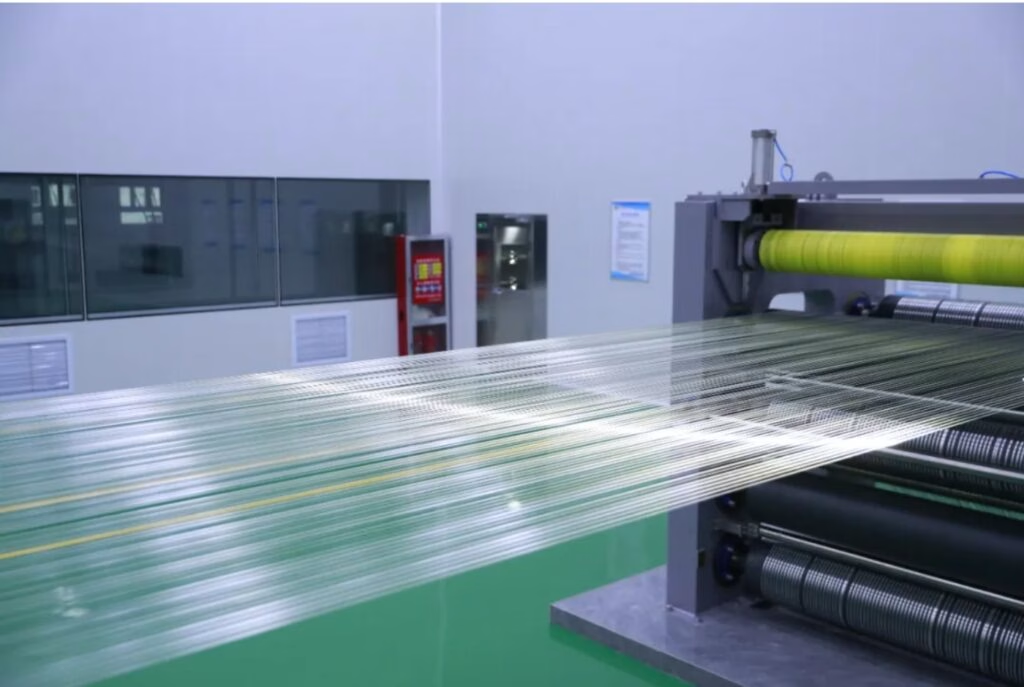
Breaking the “King of Materials” Barrier
A production facility in Datong, Shanxi Province, now manufactures T1000-grade carbon fiber at scale—achieving what only Japan and the U.S. had mastered. This “king of new materials” represents the pinnacle of carbon fiber technology.
T1000 Carbon Fiber Specifications
| Property | Specification |
|---|---|
| Filament Diameter | 5-6 micrometers (1/10 human hair) |
| Tensile Strength | >6,600 MPa |
| Weight Comparison | 1/4 density of steel |
| Strength Comparison | 5x stronger than steel |
| Load Capacity | 200kg per 0.5g (1-meter bundle) |
| Production Capacity | 200 tons annually (Phase 1) |
| Resistance | Heat, corrosion, chemicals |
Why This Matters
The single filament is thinner than one-tenth of a human hair yet delivers exceptional tensile strength. Imagine a material weighing half a gram holding three adult men—that’s T1000. Its density is only one-quarter that of steel, yet it’s more than five times as strong.
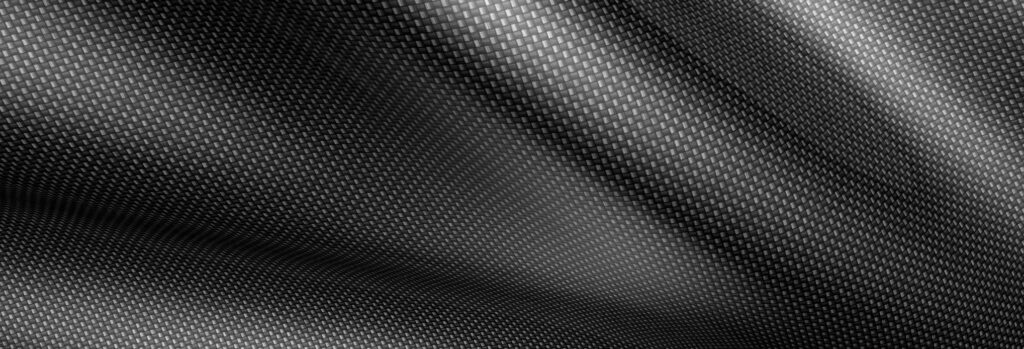
From Lab to Factory Floor
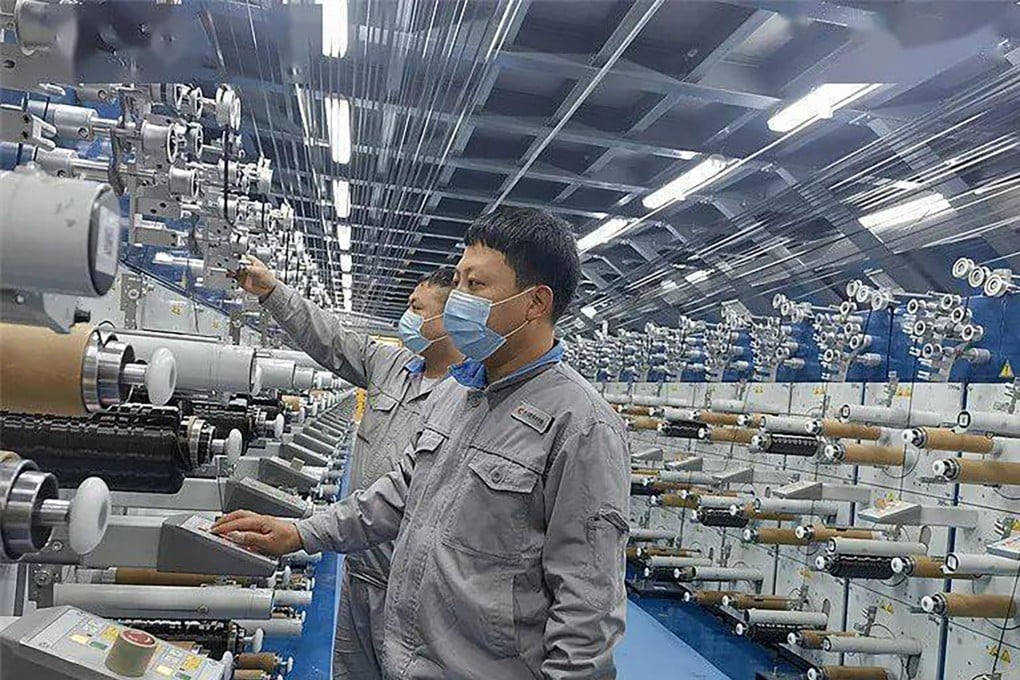
China’s Institute of Coal Chemistry pioneered carbon fiber research in the 1960s-70s but struggled with mass production. The breakthrough came through collaboration between the Chinese Academy of Sciences and Huayang Carbon Material Technology, investing nearly $141 million in the Datong facility.
Deputy Director Zhang Shouchun described the journey: “Every step was like feeling for stones while crossing a river.”
Real-World Applications
The high-performance carbon fiber enables revolutionary applications across industries. It’s used in rocket heat-resistant outer shells, aircraft fuselages, sports car driver cabins, marathon shoe carbon plates, fishing rods, and ultra-lightweight bicycles.
Products will see extensive future applications in aerospace, rail transportation, new energy vehicles and the low-altitude economy during China’s 15th Five-Year Plan (2026-2030).
Space Elevators? Not Yet
While transformative, space elevators remain theoretical. Current carbon fiber, though remarkably strong, hasn’t achieved the astronomical tensile strength needed for a 100,000km tether. But this breakthrough brings advanced aerospace, lighter EVs, and revolutionary infrastructure significantly closer. For more breakthrough tech coverage, visit Technosports and check our future tech predictions.
FAQs
Can T1000 carbon fiber really enable space elevators?
Not yet—space elevators need materials with even higher strength-to-weight ratios than current carbon fiber can achieve.
How does China’s T1000 production affect global carbon fiber prices?
Mass production typically reduces costs, potentially making advanced carbon fiber applications more affordable globally.