China just shattered a decades-old foreign monopoly! The mass production of ultra-high-strength T1000 carbon fiber in Shanxi marks a breakthrough that could revolutionize everything from spacecraft to infrastructure.
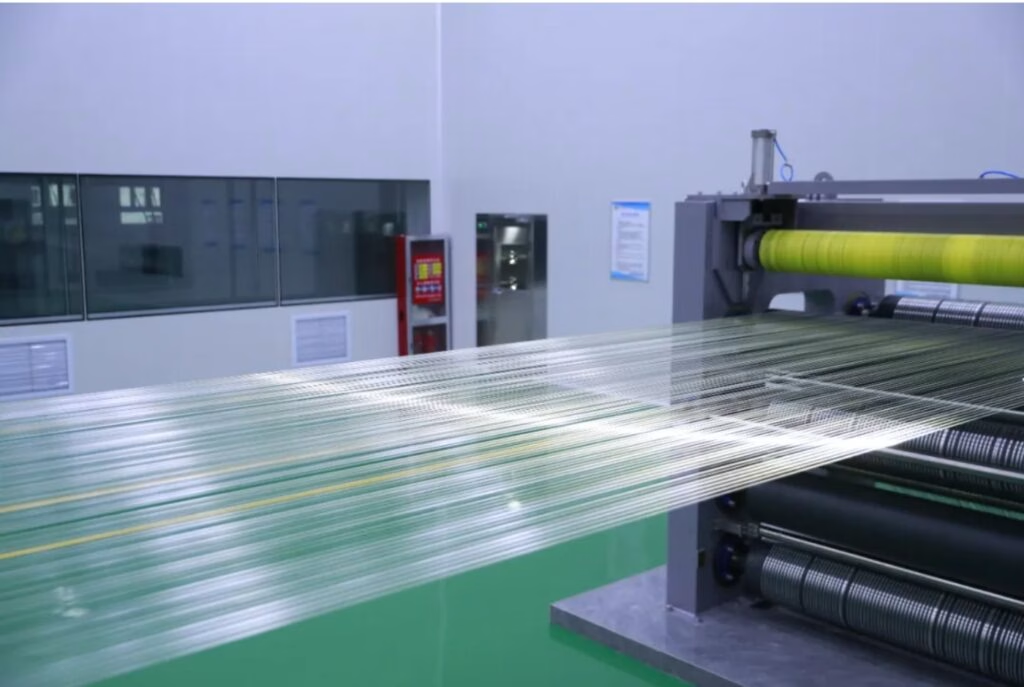
Breaking the “King of Materials” Barrier
A production facility in Datong, Shanxi Province, now manufactures T1000-grade carbon fiber at scale—achieving what only Japan and the U.S. had mastered. This “king of new materials” represents the pinnacle of carbon fiber technology.
T1000 Carbon Fiber Specifications
| Property | Specification |
|---|---|
| Filament Diameter | 5-6 micrometers (1/10 human hair) |
| Tensile Strength | >6,600 MPa |
| Weight Comparison | 1/4 density of steel |
| Strength Comparison | 5x stronger than steel |
| Load Capacity | 200kg per 0.5g (1-meter bundle) |
| Production Capacity | 200 tons annually (Phase 1) |
| Resistance | Heat, corrosion, chemicals |
Why This Matters
The single filament is thinner than one-tenth of a human hair yet delivers exceptional tensile strength. Imagine a material weighing half a gram holding three adult men—that’s T1000. Its density is only one-quarter that of steel, yet it’s more than five times as strong.
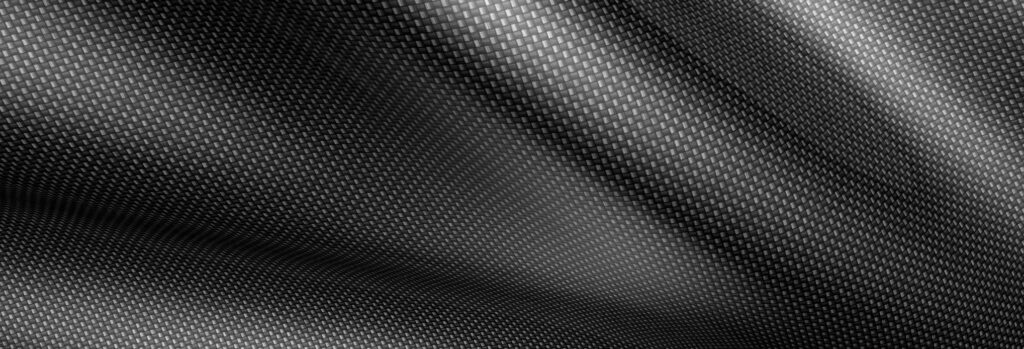
From Lab to Factory Floor
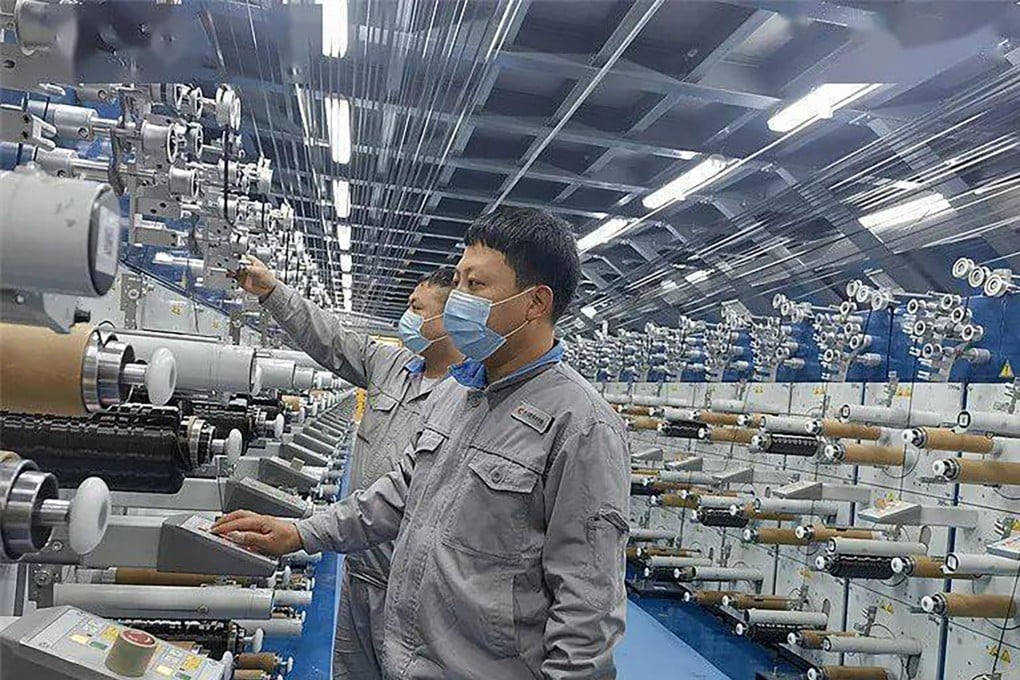
China’s Institute of Coal Chemistry pioneered carbon fiber research in the 1960s-70s but struggled with mass production. The breakthrough came through collaboration between the Chinese Academy of Sciences and Huayang Carbon Material Technology, investing nearly $141 million in the Datong facility.
Deputy Director Zhang Shouchun described the journey: “Every step was like feeling for stones while crossing a river.”
Real-World Applications
The high-performance carbon fiber enables revolutionary applications across industries. It’s used in rocket heat-resistant outer shells, aircraft fuselages, sports car driver cabins, marathon shoe carbon plates, fishing rods, and ultra-lightweight bicycles.
Products will see extensive future applications in aerospace, rail transportation, new energy vehicles and the low-altitude economy during China’s 15th Five-Year Plan (2026-2030).
Space Elevators? Not Yet
While transformative, space elevators remain theoretical. Current carbon fiber, though remarkably strong, hasn’t achieved the astronomical tensile strength needed for a 100,000km tether. But this breakthrough brings advanced aerospace, lighter EVs, and revolutionary infrastructure significantly closer. For more breakthrough tech coverage, visit Technosports and check our future tech predictions.