SA329 & 140/4 (47 ov)
 AUS429
 BAN272
 WI134/4 (48 ov)
 NZ
 IND
 NAM
 IRE
 Abha
 Al Ittihad
 NorthEast
 Bengaluru
 Al Diriyah
 Neom SC
 Le Havre AC
 PSG
 Nice
 Rennes
 Al Shabab
 Al Ahli
 FIO2
 ATA2
 NSR5
 KHO3
 RIY0
 QAD6
 FRO5
 LEC1
 PAK43/1 (3/6 ov)
 UAE
 SBP172 & 165/7 (59.4 ov, target 237)
 MITS112 & 296
 SOA154
 WA406/5d & 169 (61.5 ov)
 TAS132/3 (41 ov)
 NSW
 NED
 SL
 BH-W
 SS-W
 AS-W
 MS-W
 PS-W
 MR-W
 OMA
 AFG221/7
 ZIM202/5 (20 ov, target 222)
 ENG386/5
 HH-W174/8 (20 ov, target 193)
 ST-W140/4 (17/20 ov, target 139)
 SCOT97 (6 ov, target 95)
 NAL2
 SFE0
 Elversberg
 Mainz
 Villarreal
 Espanyol
 KHA4
 HAZ2
 Genoa2
 Juventus0
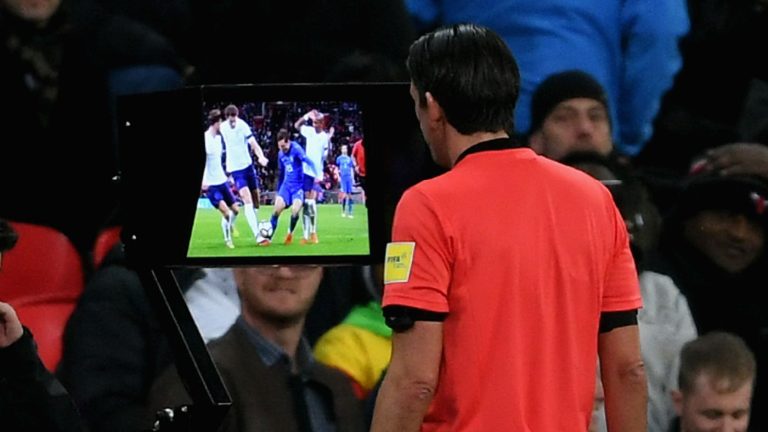
Chelsea versus Manchester always sparks debate, and lately, the Video Assistant Referee (VAR) system has been at the center of it all. Ever since VAR came onto the scene, it’s changed how referees make decisions—especially when the stakes are high. Some folks think it’s improved the game, while others claim it’s just made things messier. So, is VAR actually helping, or just stirring up more drama? Let’s dig in.
Chelsea Manchester: What is VAR and How Does It Work?
VAR stands for Video Assistant Referee—a setup where off-field officials use video replays to check the most critical decisions. After a bunch of trials, top leagues made VAR official in 2018. It focuses on four main areas: goals, penalties, straight red cards, and mistaken identity.

Here’s how it plays out. The on-field ref keeps in touch with the VAR team, who watch from a booth loaded with different camera angles. If they spot something that’s clearly wrong, the ref runs over to the pitchside monitor, takes a look, and then makes the final call. VAR isn’t perfect, and it doesn’t catch every mistake, but it’s meant to catch the big ones.
VAR Boosts Officiating Accuracy by Over 10% in Top Leagues
These days, the main case for keeping VAR is simple: it’s fairer. Fans of Chelsea and Manchester both agree that there are way fewer obvious errors deciding huge matches. BBC Sport reports that officiating accuracy in top leagues climbed from around 82% to over 92% after VAR arrived.
Think about how often offside calls or sneaky handballs get missed—now, not so much. Players can trust that the system catches more of the big things, and refs can keep up with today’s frantic pace. Our Chelsea Manchester Midfield tactical breakdowns show exactly how VAR helps in the middle of the park. And when penalties are up in the air, a second look can mean the difference between heartbreak and justice. Still, not everyone’s sold.
Over 60% of Fans Cite Delays and Controversy as Major VAR Drawbacks
But let’s be honest—VAR brings its own headaches. The breaks can last over three minutes and totally interrupt the flow of a Chelsea Manchester showdown. Fans get fed up waiting, and stadium screens rarely explain what’s going on. According to Goal, more than 60% of fans say VAR’s had a negative effect, mostly because it’s confusing and not always used the same way.
Calls on handballs or tight offsides are still sparking outrage. Was someone’s toe really offside? Those “armpit offside” calls still get people talking. In our Key Battles Match coverage, you’ll see that even managers claim VAR just shifts the blame, instead of solving arguments. So, does VAR really fix things—or just give us something new to argue about?