Chelsea and Manchester City matches have really put the spotlight on how much VAR technology is shaking up football’s biggest moments. With Video Assistant Referee (VAR) in play, every offside, penalty, and potential red card gets a whole new level of scrutiny. And you can bet teams from Stamford Bridge to the Etihad have felt it.
Chelsea Manchester City: What is VAR and How Does It Work?
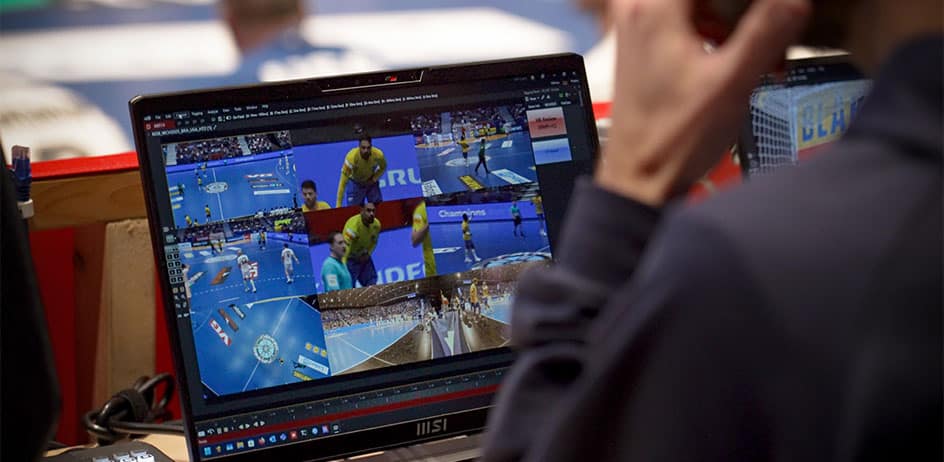
VAR, short for Video Assistant Referee, uses tech to help on-field officials during those crucial moments. When Chelsea faces Manchester City, VAR officials work from a remote room, watching the action on multiple screens from different angles. Their job? They back up referees in four big areas: goals, penalties, direct red cards, and cases where a player’s identity might’ve been mixed up. If the VAR team thinks something’s off, they quickly alert the referee, who can then check the footage at the side of the pitch before making a call. VAR doesn’t replace the referee’s authority—it just acts as an extra safety check that’s really changed how these intense games play out. But does it make things fairer? That’s what everyone’s still asking.
Key Moments: VAR’s Impact on Game-Changing Decisions
Since VAR showed up, it’s shifted the outcome of plenty of big Premier League clashes—including those Chelsea Manchester City battles. Think back to 2019: a razor-thin offside call wiped out a Raheem Sterling goal. Or the chaos when a penalty had to be retaken because the keeper moved off his line too soon. According to BBC Sport, VAR pushed the accuracy of major decisions from 82% to over 94% in top competitions. Still, it’s not all smooth sailing. Fans and managers have often sounded off about how VAR disrupts the match’s flow or makes a huge fuss over the tiniest margins—a toe offside can change everything. In matches that decide titles or Champions League spots, every VAR review feels even bigger. Want to see how a single VAR call can flip a match? Take a look at our Mohamed Salah Chelsea: analysis, where even one decision can swing momentum. Bottom line: the conversation isn’t just about tech—it’s about trust in decisions, timing, and whether fans think the process is actually fair.
Benefits and Criticisms of VAR in Football
Supporters of VAR say it’s brought more fairness and accuracy than ever, especially in high-stakes games like Chelsea Manchester City. Big mistakes—those missed handballs or invisible fouls—don’t slip by as easily. But not everyone’s sold. Some folks argue VAR slows things down, kills the joy of those wild goal celebrations, and even sparks new controversies about what counts as “clear and obvious.” As Goal